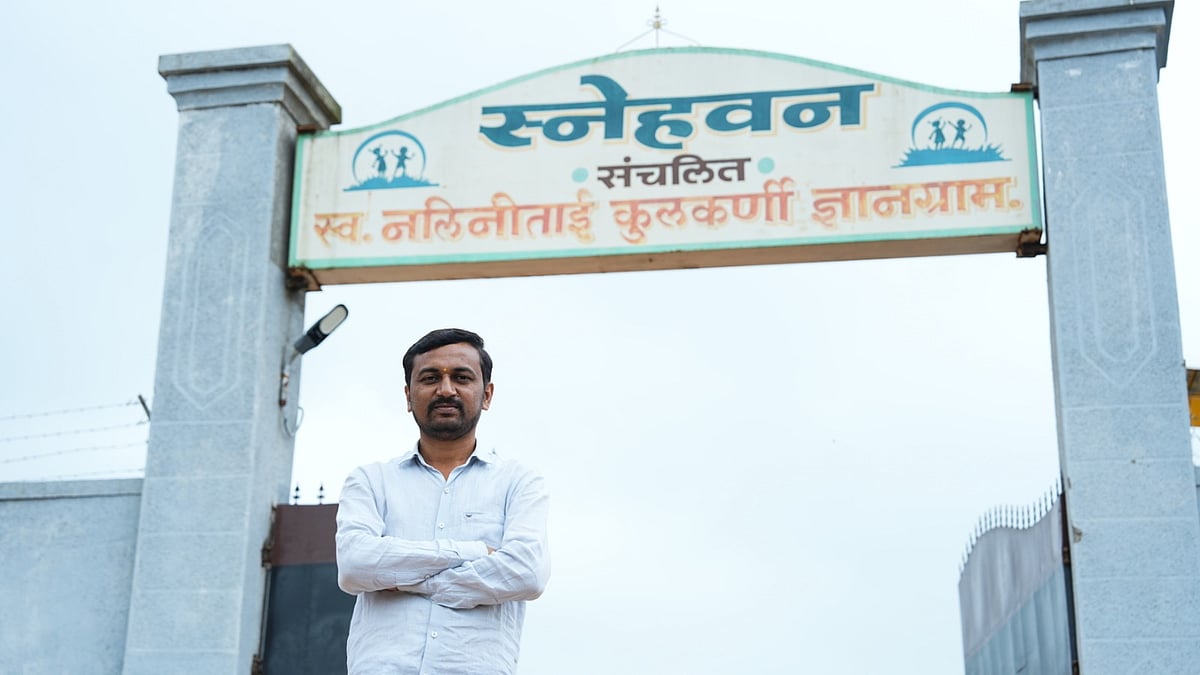
With the rising frequency of devastating calamities like droughts and floods, hundreds of farmers are driven to take their own lives to escape the hardships of life. Still, the plight of the family left behind is beyond imagination. We feel sympathy for them and sigh in sorrow, but in a moment, we become engrossed in our daily routines. However, some compassionate individuals dedicate their lives to care for these orphaned children.
Ashok Deshmane was 25, climbing the corporate ladder in the IT sector, when he made the decision that baffled his family and friends: he walked away from his lucrative career to become a father to children he had never met.
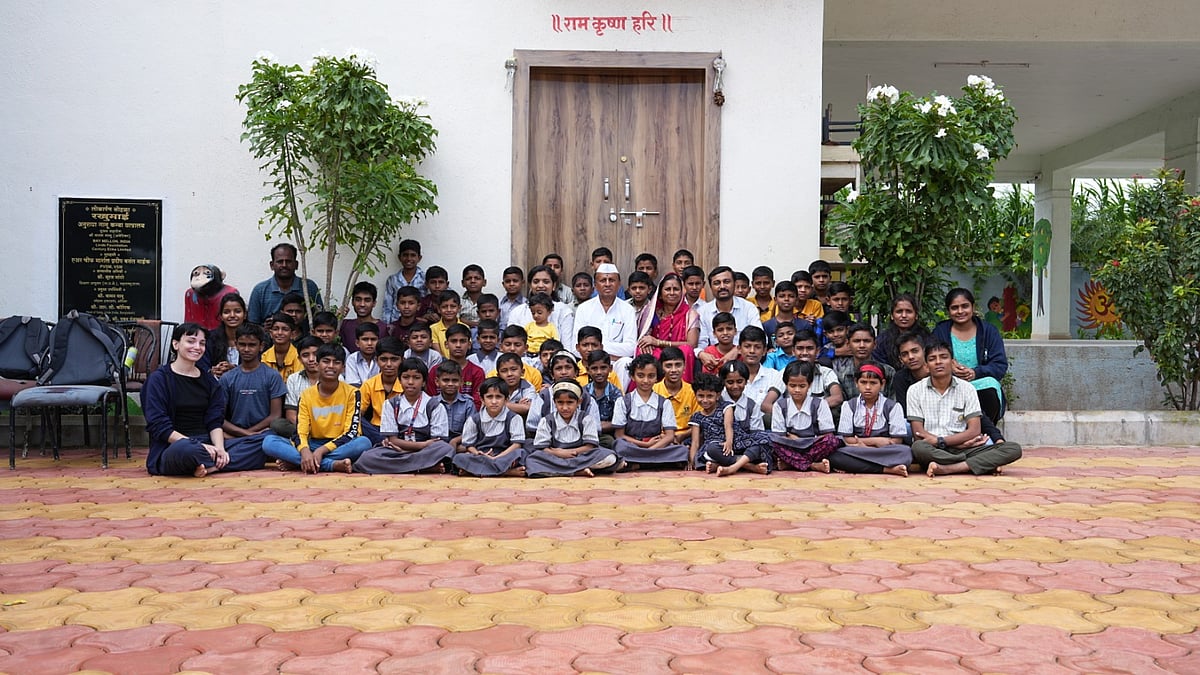
Today, he runs Snehwan, a sprawling campus near Alandi in Pune, which houses 200 children, most of them orphaned by the agrarian crisis that continues to plague Maharashtra.
The Turning Point
Born into a farming family in Parbhani, Deshmane, through his phase of poverty, earned a bachelor’s degree in Information Technology (IT). From the beginning, he felt a strong desire to contribute to social work. Accordingly, he would spend a portion of his salary on needy children.

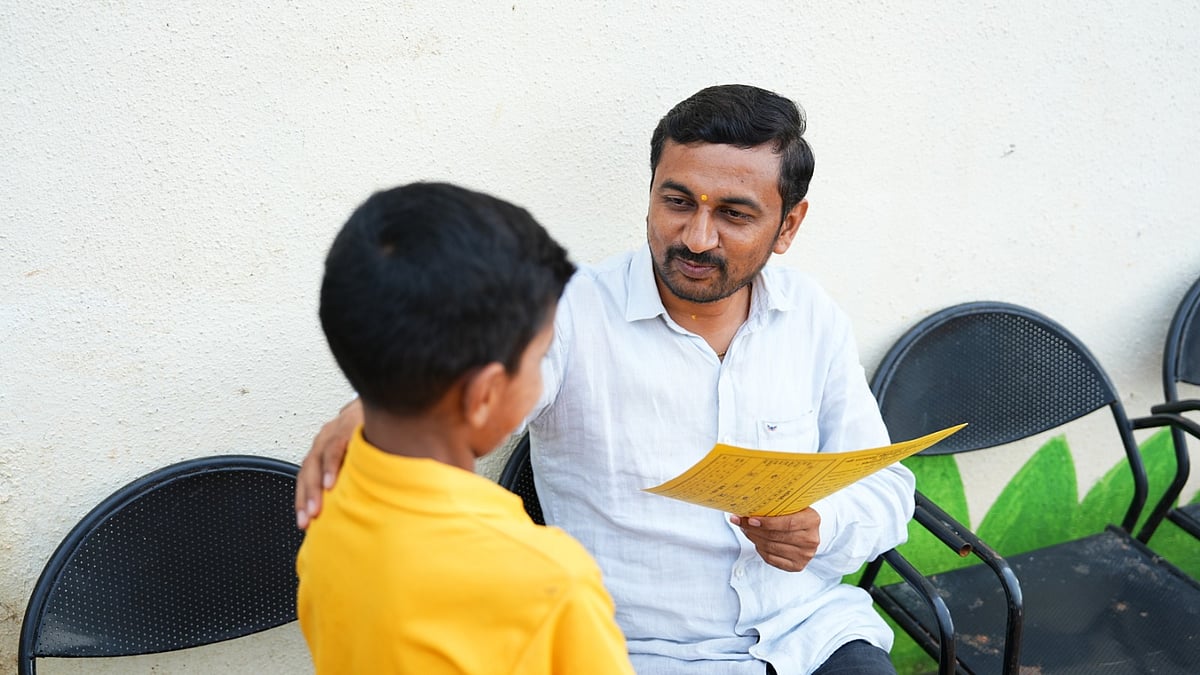
“Later, I realised that simply giving money doesn't solve problems, and decided to dedicate some time to these children. So, I started teaching children every Saturday and Sunday. However, between 2013 and 2015, Marathwada experienced a severe drought. Many families had to leave their villages. The rate of farmer suicides increased manifold. So, instead of merely sighing in air-conditioned comfort, I resolved to do something concrete about it,” he explained.
Inspired by the work of Swami Vivekananda and Baba Amte, in 2015, Deshmane left his lucrative IT job and began 'Snehwan' in Pune’s Bhosari in two small ten-by-ten-feet rooms. Snehwan started with a clear goal: “To provide these children quality education, so that they would be able to break free from this vicious cycle of poverty and subsequent suicide.”

The Price of Compassion
Starting to care for 18 kids of farmers who had committed suicide in Vidarbha initially was full of challenges. “Cooking for 18, managing their education, juggling through night shifts to keep the project afloat was a tough task,” he recalled. His parents were horrified. Marriage prospects vanished.
“No girl was willing to marry someone with no stable job and 18 children to feed. However, Archana believed in what I was doing, and we got married, following which the work got well managed and transformed Snehwan,” Deshmane said.
Though his parents were initially shocked by their son's decision, seeing his struggle, they later came to his aid. And steadily, the Deshmane couple’s hard work started to bear fruit as some children who studied at Snehwan became self-reliant, working in the formal job sector.

Seeing Archana and Ashok's immense dedication, Dr Ravindra and Dr Smita Kulkarni, a couple from Pune, donated their two-acre plot of land located eight kilometres from Alandi to Snehwan. On that land, Snehwan is taking shape, fostering the all-round development of 200 children.
Snehwan Project
“In our project in Alandi, three buildings have been constructed, housing hostels for 100 boys and 100 girls. Currently, 70 children reside there, and 130 children from poor and tribal communities in the surrounding areas are also being supported by Snehwan for their education,” stated Deshmane. A mobile clinic is also operational to help labourers and workers in the nearby villages.
In just ten years, Snehwan has grown significantly, although keeping in mind that their purpose was not merely to provide shelter or food to these children, but to make every possible effort for the healthy physical, mental and intellectual development of the children who come here.
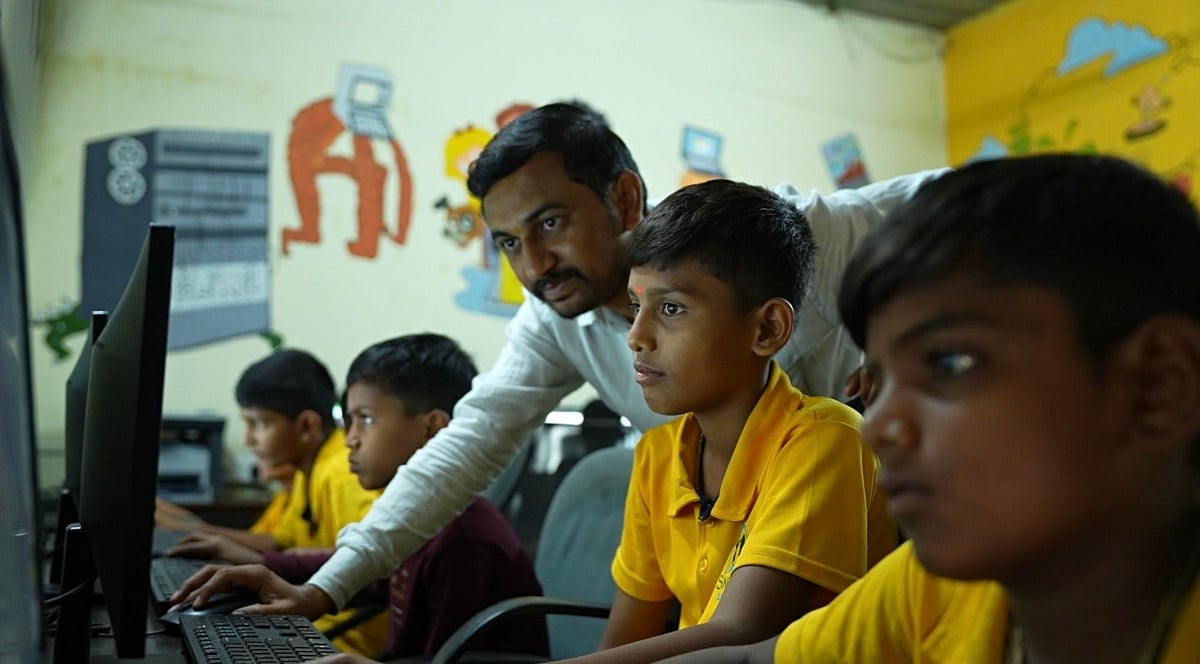
Besides formal schooling, the children are also given practical knowledge, taught essential life skills, and conscious efforts are made to nurture the inherent talents of each student. The children are taught English communication skills, coding, yoga, computer training, food preparation, dairy farming, organic farming, vocational training, food processing, among other disciplines, as per their interest and aptitude.
There is a well-equipped library with a staggering 15,000 books, managed by one of the boys. A student also manages the computer lab with 20 computers. The children also take responsibility for the solar power project that has been set up.
Some of these children have grown up, received quality education, many have passed their 12th grade, earned their degrees, become self-reliant and are pursuing further education. Taking note of the organisation’s work, Dr Raghunath Mashelkar, Dr Prakash Amte, Dr Ravindra Kolhe, Dr Ashok Kukade, and many other civil servants have visited the institution and the Deshmane couple was also invited to the Kaun Banega Crorepati season 17.

Taking it Forward
When asked how he manages such a vast undertaking, Deshmane says, “The cost of managing this entire operation is around Rs 50 lakh annually, and we always face a shortage of funds. But thanks to the generous people, the extended family of Snehwan has helped us survive till now.”
His message to the people is that they can help in any way they can, not just financially, by reaching out at snehwan.in. “There are always some or the other challenges that arise before us, and for that, we request those who have the means and opportunities should come forward to help these underprivileged sections of our society,” he said.

