20 feet from Mumbai’s largest open drain stood a one-room house where six family members lived, slept, argued, studied, and dreamed. This is where Mohammad Shoeb Sayed grew up, who later became the founder of the Panaah community. His father left home each morning for daily-wage labour, and his mother, who had never stepped into a college, would repeat just one belief with firm conviction that education was the only way out.
There was no study table, no private space, no tutor, only determination and hope. Shoeb went on to become the first in his family to graduate as an engineer. Years later, as a Teach For India fellow, he found himself teaching children whose lives looked similar to what he had gone through. They were bright, curious, and capable, yet limited by the circumstances around them. He began to see a pattern. The problem was not a lack of talent. It was a lack of access, opportunity, and systems that worked for these communities.
A question stayed with him: What if communities did not have to wait for change from outside? What if they could build it from within, learning, earning, and leading together?
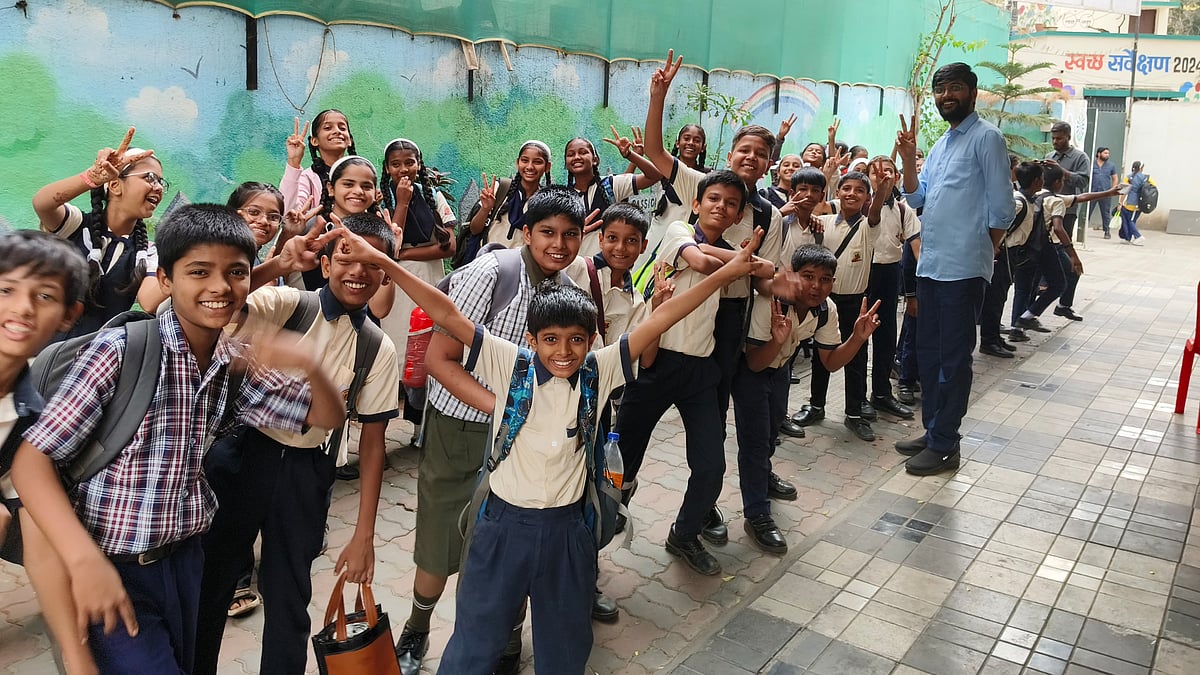
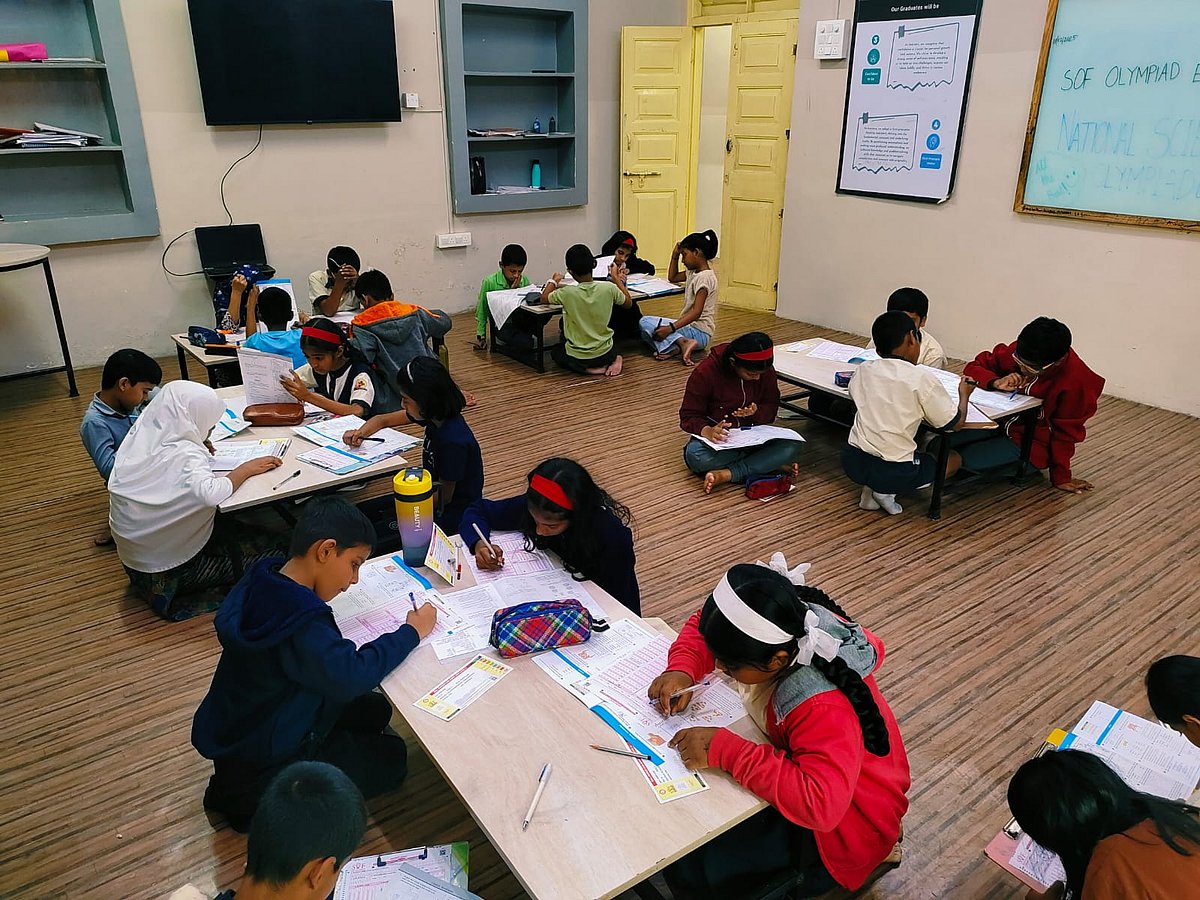
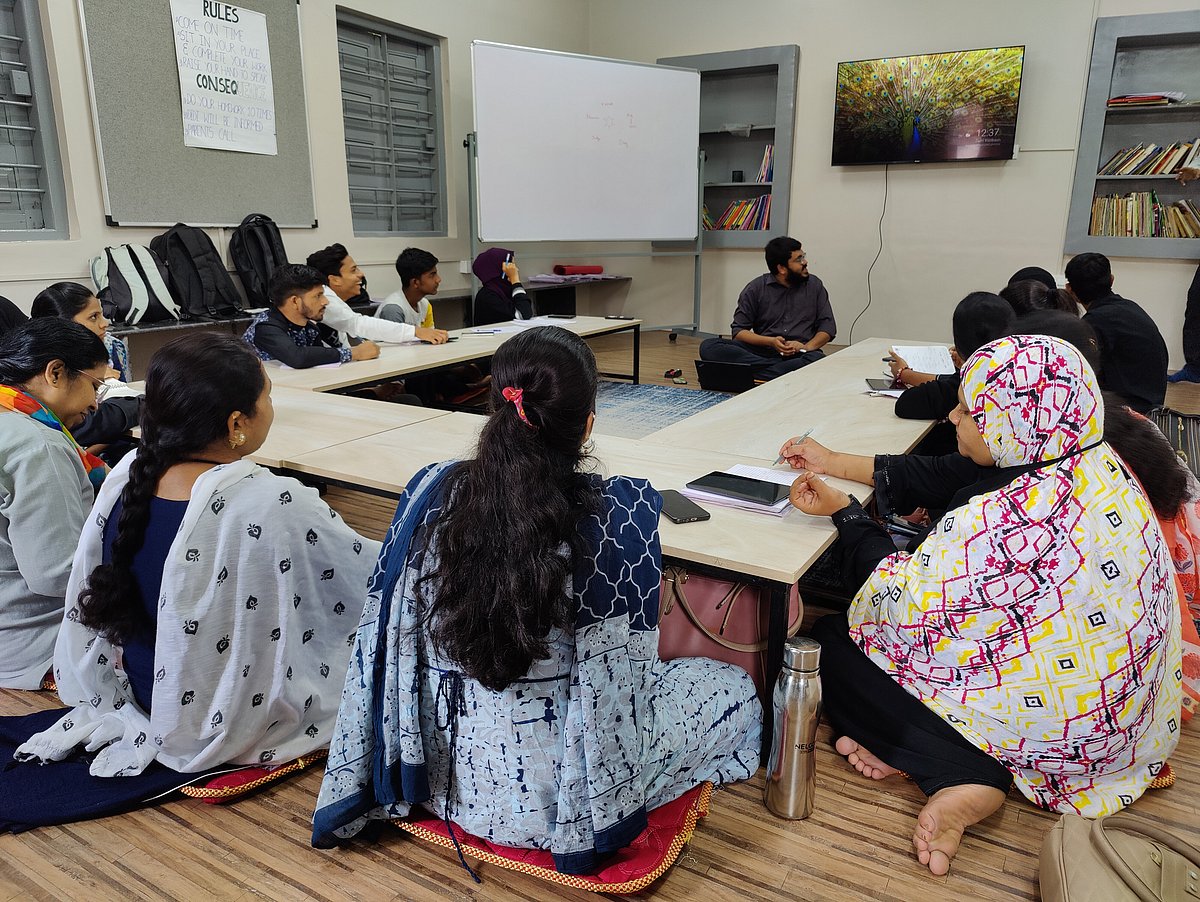
Across underserved settlements in Pune, abandoned public spaces that once gathered dust now echo with multiplication tables, science experiments, debates, coding sessions, and business ideas. Panaah has transformed these spaces into six community learning and earning centres, five of which are led by women from the same communities. These women manage operations, run programmes, mentor children, engage families, and lead teams. Leadership here is local, visible, and deeply aspirational.



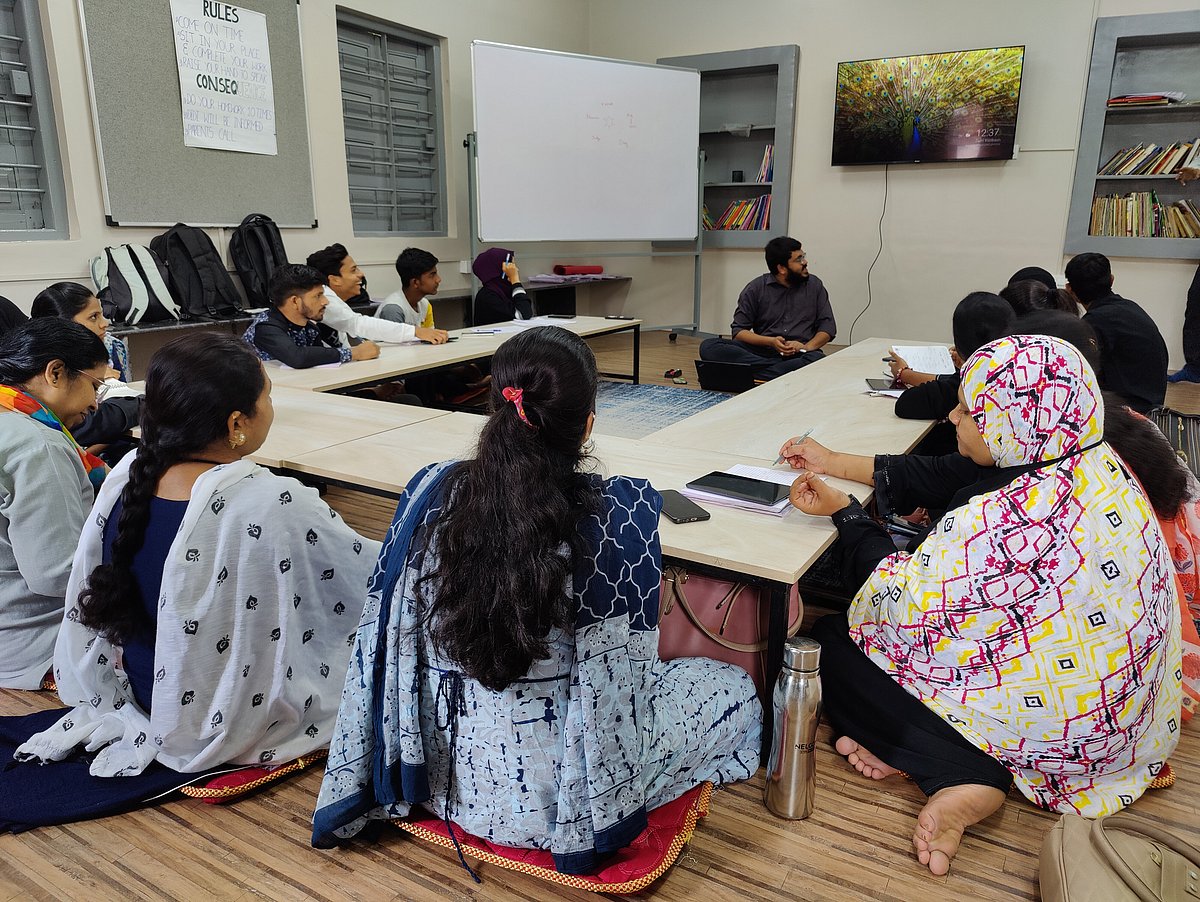
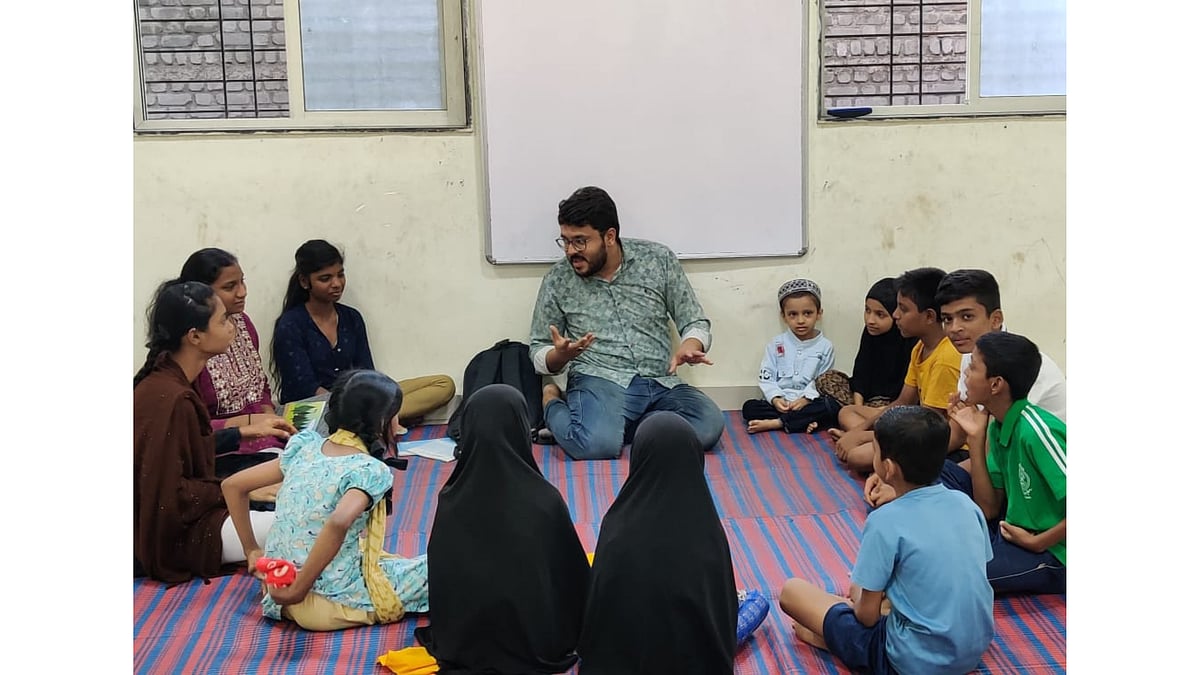
Through these centres, Panaah reaches over 1,000 families, supports more than 900 school-going children, and engages 250 youth preparing for livelihoods. Many children who come to Panaah are academically behind or at risk of dropping out. Through daily academic support in Math, English, and Science, project-based learning linked to real-life problem solving, mentoring, and strong family engagement, students begin to regain confidence and continuity in school. Today, over 900 at-risk children continue in the education system, and students show twice the expected annual learning growth across core subjects.
For high-potential learners, Panaah runs a rigorous STEM track where 94 students are currently enrolled. More than 50 of them rank in the top 10% globally in Olympiads such as the International Mathematics Olympiad (IMO) and National Science Olympiad (NSO). 15 girls have been selected for Avasara Academy, ten students have cleared Pune Municipal Corporation (PMC) scholarship exams, and the majority perform in the top percentiles of national assessments.

Panaah’s work does not stop with school children. Through Panaah Professionals, youth aged 16 to 22 explore pathways in entrepreneurship, filmmaking, coding, and Artificial Intelligence. In the last two years, 15 youth have completed paid internships, 15 have launched local enterprises, and 30 are earning part-time incomes. Young people who had dropped out of formal systems are being supported to return, with 90 children and youth reintegrated into education or employment pathways so far. This year, 75 of them are appearing for board exams or equivalent certifications.
Perhaps the most powerful change Panaah has sparked is social. Women who once hesitated to speak in public now lead centres. Youth who once searched for odd jobs now mentor younger children. Communities that once felt dependent now feel capable of shaping their own futures.

Speaking to The Free Press Journal, Shoeb said, "From knowing what it means to study without space, from knowing how far belief can carry a child, and from knowing that talent exists everywhere, even when opportunity does not. Panaah Communities stands as an answer to that gap, showing that when communities are trusted to learn, earn, and lead, change does not arrive from outside. It rises from within."
Bharati Kotwal, CSR Head, Yardi Software, said, "We have partnered with Panaah for the last 3 years. Shoeb and his team have used innovative ideas to engage school children and youth in activities that will lead to their overall development beyond academic success and prepare them for an ever-changing social and economic scenario. The children in surrounding vastis feel energised to come to a renovated, clean and attractive space to interact with teachers, other children and external resource persons. With the Panaah team's passion for delivering contemporary education to children, their teamwork and networking skills and openness to act on feedback from stakeholders, we feel that they are in a position to make a difference in the lives of many children. We wish them the best of luck."