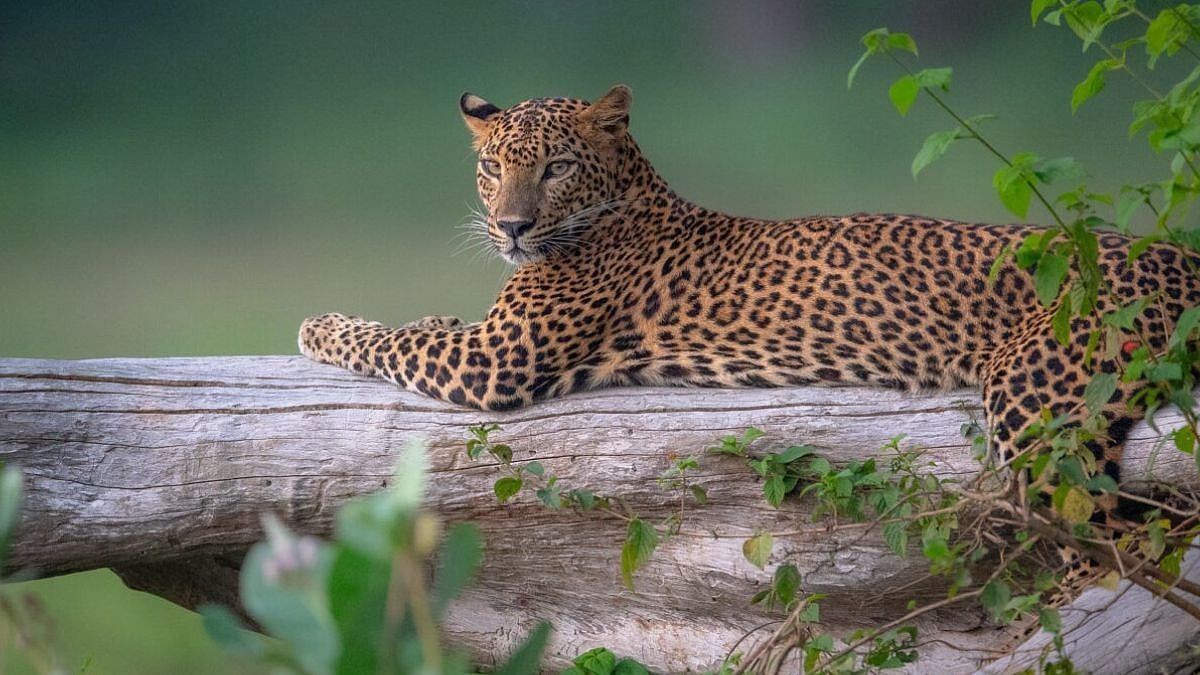
Amid growing concerns over frequent leopard sightings in Pune’s urban pockets, official data from the Maharashtra Forest Department shows that 120 leopards have been held in captivity in 2025, while six human deaths from April to December 24, 2025, have been reported in the district so far.
The situation reflects a crisis across western Maharashtra, which is witnessing a sharp surge in human–animal conflict. Ahilyanagar district tops the list with nine deaths caused by leopard attacks, followed by Nashik with five fatalities. All the victims in Nashik were children below 11 years of age, highlighting the vulnerability of rural and fringe populations.

The series of leopard sightings across Pune and its peripheral areas has prompted officials to take steps to mitigate the growing leopard population. Chief Minister Devendra Fadnavis has sent a proposal to the Centre to shift leopards from Schedule I to Schedule II category, taking note of the increasing attacks in the state. He also directed that a proposal to declare the issue a ‘state calamity’ be tabled in the next cabinet meeting.
In November, Forest Minister Ganesh Naik, following a meeting with senior state forest officials, announced that around 500 leopards would be shifted to the Vantara facility as part of a long-term strategy to ease pressure on overcrowded rescue centres in Maharashtra. On December 19, the Central Zoo Authority (CZA) approved the relocation of 50 leopards from Maharashtra’s Junnar forest division to a facility in Jamnagar, Gujarat. The approval applies exclusively to leopards recently captured from human–wildlife conflict zones across the Junnar forest range.

To curb human–animal conflict, Naik has directed that 20 specialised rescue teams be deployed in the region. Each team will include trained marksmen, trackers and personnel equipped with tranquilising guns, rescue vehicles, advanced cameras, cages and other essential tools. The plan includes the procurement of 500 cages, 20 tranquilising guns, 500 trap cameras, 250 live cameras, 500 high-power torches, 500 smart sticks and 20 medical equipment kits.
Pune Forest Division Deputy Conservator of Forests (DCF) Mahadev Mohite said, “The sterilisation programme is intended as a non-lethal, long-term measure to stabilise leopard populations in such shared landscapes. Five female leopards aged between three and five years have been selected for sterilisation, as the state forest department has launched India’s first-ever leopard birth control programme in the Junnar division.”

