
Mumbai: The upcoming Brihanmumbai Municipal Corporation (BMC) elections, scheduled for January 15, 2026, are set to be a definitive battle for Mumbai’s soul. At the heart of this contest is the 'Marathi Manoos' factor, a demographic that comprises approximately over 30 per cent of the city’s electorate but holds disproportionate influence over the narrative of 'Marathi Asmita' (pride).
With the split in the Shiv Sena and the emergence of competing claims for the Marathi vote, several key wards and areas have become the primary battlegrounds.
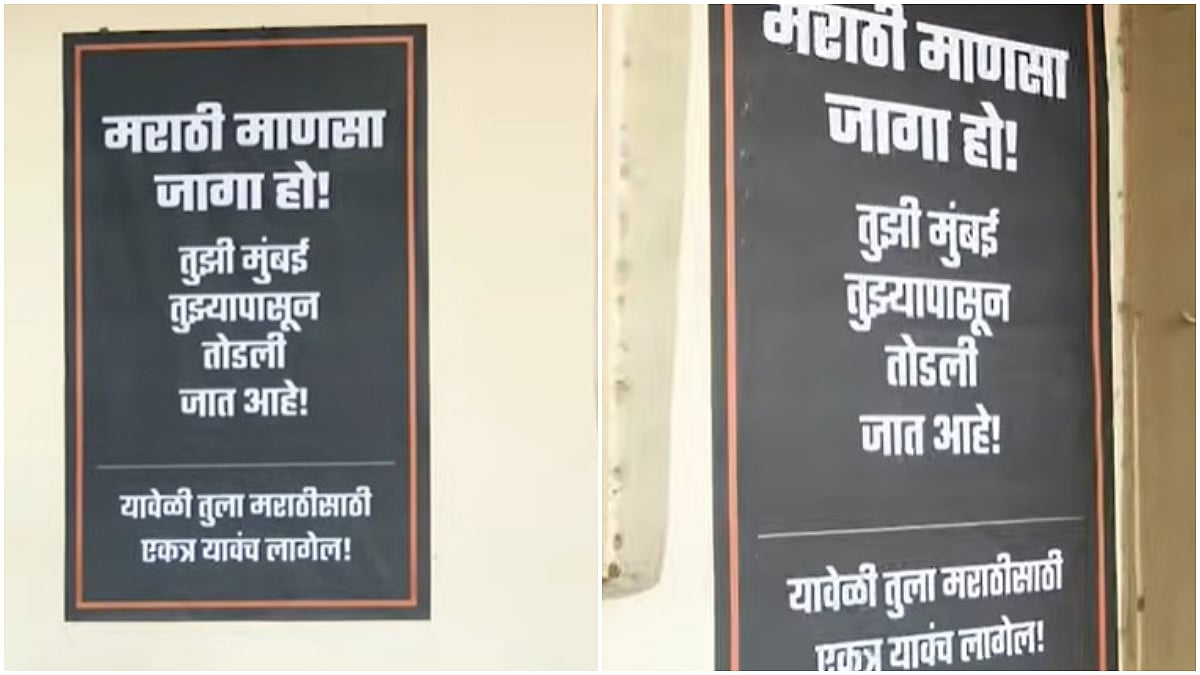
1. The Heartland: Dadar, Parel & Sewri (G-South & F-South Wards)
Traditionally, the epicentre of Marathi politics, these areas are the birthplace of the Shiv Sena.
The Dynamics: These wards have seen a shift from mill-worker-dominated chawls to luxury high-rises. However, the core identity remains fiercely Marathi.
Key Conflict: This is a prestige battle for the Uddhav Thackeray-led Sena (UBT) to retain its home turf against the Eknath Shinde-led Sena, which claims the true legacy of Bal Thackeray. The MNS (Maharashtra Navnirman Sena) under Raj Thackeray also remains a potent third force here, often acting as a 'spoiler' or a kingmaker.
2. The Suburban Strongholds: Girgaon To Borivali (Western Suburbs)
While the western suburbs are often associated with Gujarati and North Indian populations, specific areas like Vile Parle (East) and Dahisar have dense Marathi clusters.
Vile Parle (Ward K-East): Known as a cultural hub, the Marathi middle class here is vocal and politically active. The BJP is aggressively courting this segment by promising a 'Marathi Mayor,' a strategic move to peel away traditional Sena loyalists.
Dahisar (Ward R-North): As one of the last frontiers of the city, Dahisar has a major 'Bhumiputra' population. Issues of local redevelopment and infrastructure are being framed through the lens of preserving Marathi areas.
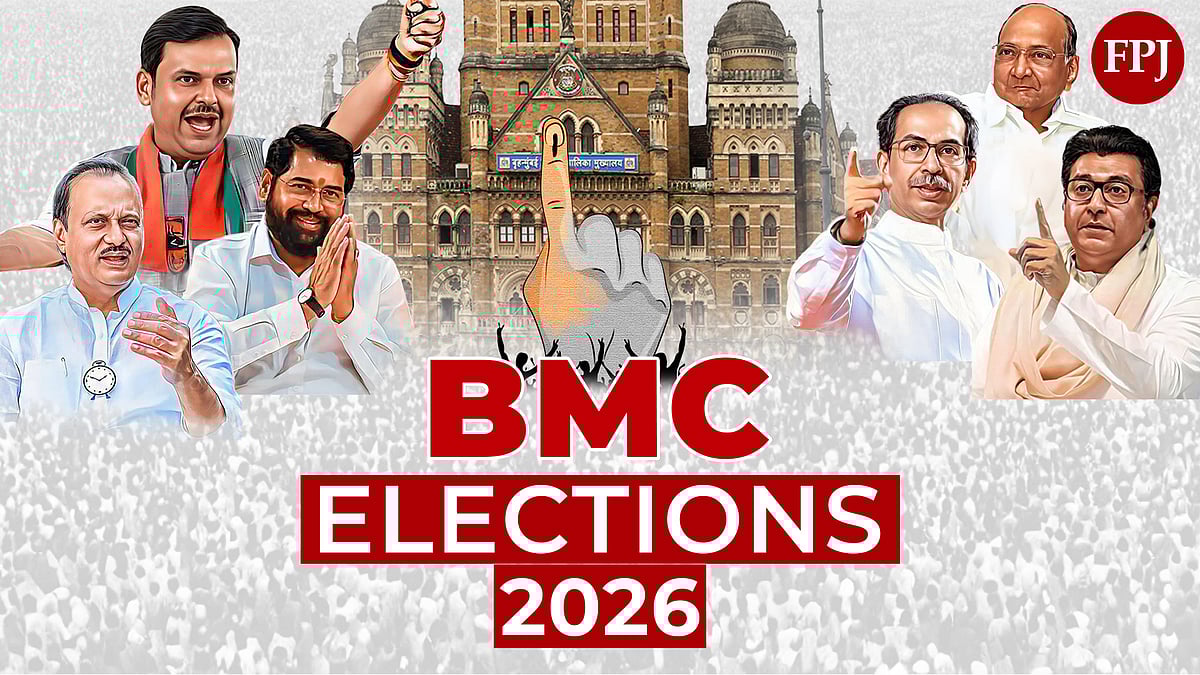
3. The Eastern Corridor: Kurla, Chembur, Mulund & Bhandup (L, M, & S Wards)
The eastern suburbs house a massive Marathi-speaking population, particularly in the lower-middle-class and labour segments.
Bhandup & Mulund (Ward S): Bhandup has historically seen high-voltage clashes between the Sena and MNS. The 'Marathi vs Outsider' narrative often surfaces here regarding job opportunities and housing.
Chembur (Ward M-West): This area sees a mix of Dalit-Marathi and upper-caste Marathi voters. The Maha Vikas Aghadi (MVA) is counting on a consolidated Marathi-Dalit-Muslim front, while the Mahayuti is focusing on splitting the Marathi vote through the Shinde faction’s 'Sons of the Soil' rhetoric.
Strategic Shift: The 'Marathi Mayor' Gambit
In a historic departure from its usual plank of 'Vikas' (Development), the BJP has recently declared that if the Mahayuti alliance wins, the Mayor of Mumbai will be a Marathi Manoos. This is a direct attempt to neutralise the ‘Anti-Marathi’ tag often used against the party by the Sena UBT faction.
Key Factors To Watch:
The Thackeray Cousins: Reports of a tactical understanding between Uddhav and Raj Thackeray could consolidate the Marathi vote.
Delimitation Impact: With nearly 20-25 per cent of ward boundaries modified in the recent rectification, traditional vote banks have been disrupted, making grassroots mobilisation critical.
Housing & Displacement: The ‘Marathi Manoos’ being pushed out of Mumbai to the Mumbai Metropolitan Region (MMR) due to high costs is a primary emotional trigger that the opposition will use against the ruling dispensation.
As January 15 approaches, these wards will not just decide who controls the country’s richest civic body, but also who truly represents the Marathi identity in the city.
To get details on exclusive and budget-friendly property deals in Mumbai & surrounding regions, do visit: https://budgetproperties.in/

