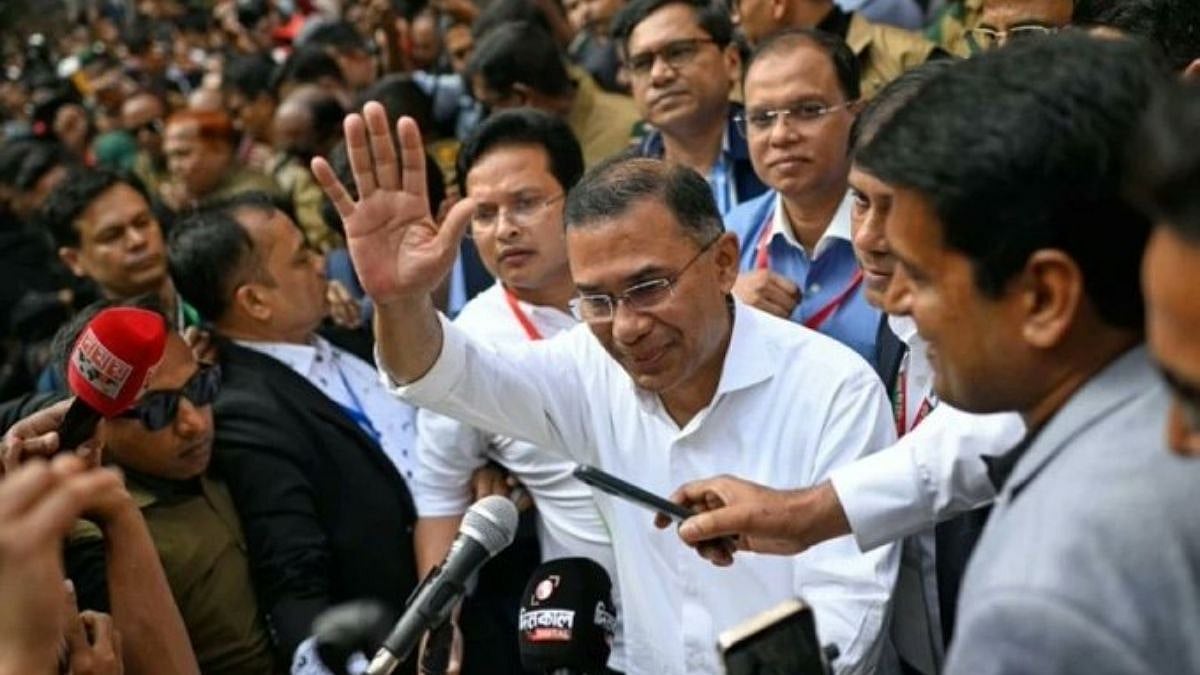
Dhaka: In a decisive turn of events after months of unrest and economic strain, the Bangladesh Nationalist Party (BNP) swept to a landslide victory in parliamentary elections held on Thursday, returning to power after nearly two decades and positioning its leader, Tarique Rahman, to become prime minister.
Official results released by the Election Commission showed the BNP won 213 of the 299 seats contested in the Jatiya Sangsad, or House of the Nation—well above the 151 required for a simple majority in the 300-member Parliament. Its principal rival, an alliance led by the Islamist party Bangladesh Jamaat-e-Islami, secured more than 77 seats, while smaller parties and independents took the remainder. At Dhaka’s Paltan Road, Lal Miyan, 54, paused his cyclerickshaw to glance at the Dainik Inquilab newspaper dumped outside a vendor’s stall.

The banner headline read: “BNPir Dhumiswat Bijay” (BNP’s landslide victory). Miyan frowned as he leafed through the papers stacked on the footpath, voicing fears that the polls would leave two of the most street-smart, cadre-based BNM parties out in the cold. “They won’t take this kindly,” he said gravely. “I fear demonstrations. We poor lose out doubly—fewer customers and more chances of the rickshaw being overturned as people flee. Awami was not allowed to fight the elections, and Jamaat lost despite trying very hard. They will come back to the streets. Just wait and watch,” Miyan said.
The crowd at the newspaper stall, many returning from Fajr prayers at the nearby Baitul Mukarram mosque, was more festive. “At long last we have a government. The uncertainty and mob-bazi (mob rule) of the last yearand-a-half were bad for business, bad for ordinary people—bad for everyone,” said Pheroze Haque, a mobile phone and electronics retailer in nearby Puran Dhaka (Old Dhaka), offering sweets to passers-by. The vote was marked by low turnout. Though final figures have not yet been officially announced, estimates suggest no more than 55 per cent of the country’s 127 million eligible voters cast their ballots—either for candidates or in the referendum on the future electoral system.
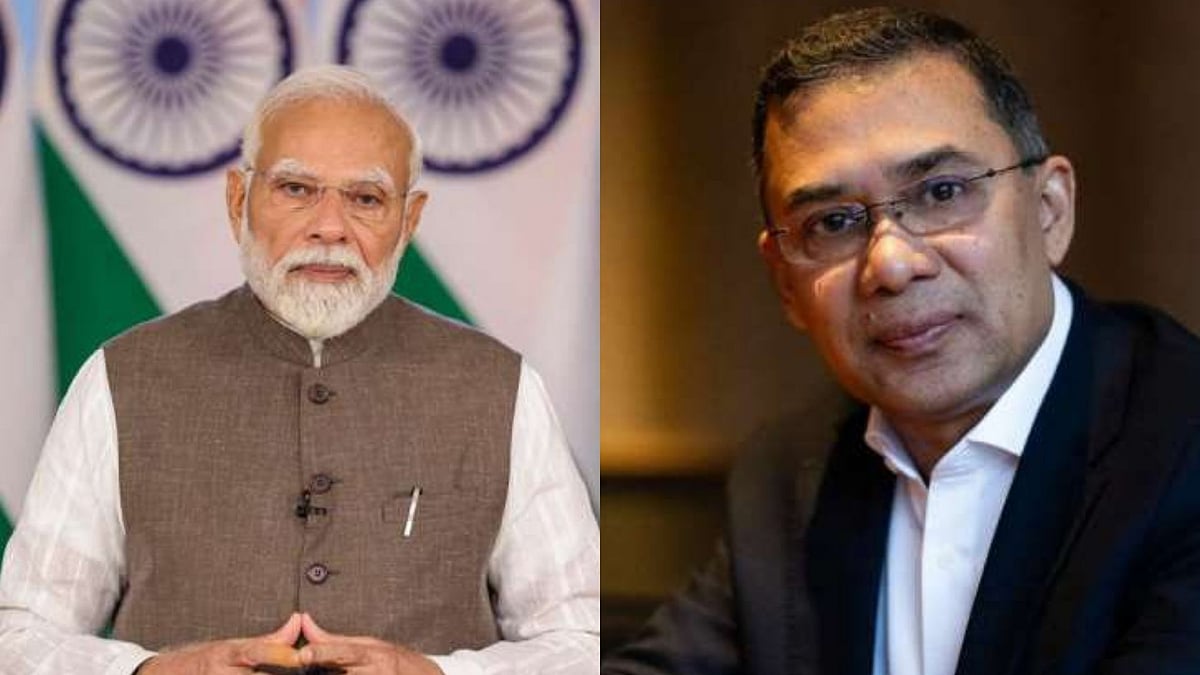
Many stayed away fearing violence; others remained loyal to the Awami League, which had advised supporters to boycott the polls or vote tactically if compelled to vote. The polls—the first national election since the 2024 student-led uprising that toppled Prime Minister Sheikh Hasina—ended more in restraint than jubilation. In a statement issued early Friday, the BNP urged supporters to avoid victory processions and instead offer special prayers. “Despite winning by a large margin, no celebratory procession or rally shall be organised,” the party said.
Rahman, 60, the son of former Prime Minister Khaleda Zia, who died last December, and assassinated President Ziaur Rahman, did not immediately address the nation. Local media reported that he smiled and waved briefly to supporters before attending prayers at a Dhaka mosque, declining to speak to journalists gathered outside his residence. While acknowledging the outcome, Jamaat-e-Islami voiced dissatisfaction with the electoral process.
In a statement, the party claimed candidates from its 11-party alliance had lost “narrowly and suspiciously” in several constituencies and criticised the Election Commission’s reluctance to publish detailed turnout figures. It also alleged favouritism by elements within the interim administration— claims officials have not publicly addressed. On the streets, however, many felt Jamaat had overreached. “Jamaat has never won more than 18 seats, and now they’re talking about nearly 80. How does that happen?” Haque asked. “They—and the people they ‘fixed’ inside the system—should explain.” Rivals have long alleged that Jamaat forced school and university teachers from minority communities, or those suspected of supporting the Awami League, to resign and replaced them with party loyalists.
“These people were election officers. They counted the votes,” Haque said, as some in the crowd drifted away uneasily. Rahman himself won decisively in Dhaka and was also declared the victor in Bogra, underscoring both his personal mandate and the party’s parliamentary dominance. One of Jamaat’s leading figures, Golam Parwar—who had told Hindu voters, “You will be safe if you vote for us”—lost in Khulna. India-baiting talk-show personality Asaduzzaman Bhuiyan, popularly known as Barrister Fuad, also lost from Barisal, a coastal town in southern Bangladesh. For many Bangladeshis, a clear result was seen as essential to restoring stability after months of deadly protests that disrupted daily life and key industries, including garment manufacturing. Bangladesh is the world’s second-largest apparel exporter, and prolonged political uncertainty has rattled investor confidence.
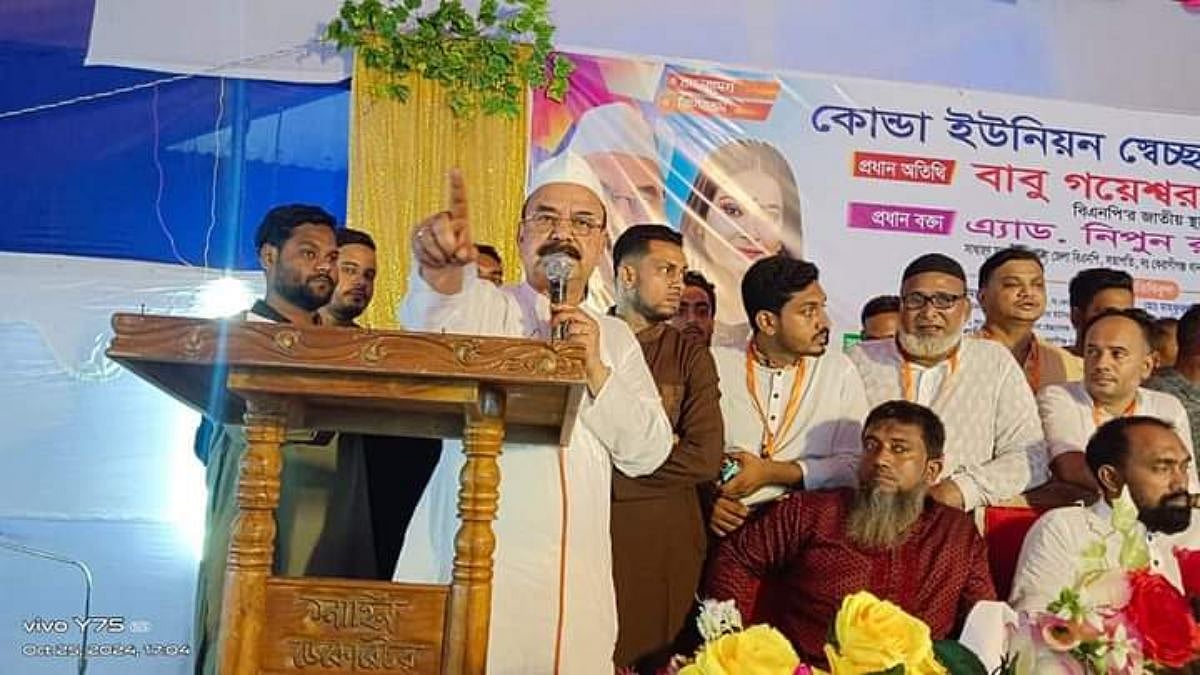
“A strong majority gives the BNP the strength to pass reforms efficiently and avoid legislative paralysis,” said Naem Nizam, former editor of Bangladesh Pratidin. “That alone can create short-term political stability.” The elections were held alongside a referendum on the July National Charter, a proposed reform package that includes term limits for prime ministers, the creation of an upper house and the restoration of a caretaker system to safeguard future polls. For Rahman, the victory marks both a personal and political return. The BNP, one of Bangladesh’s dominant parties since the 1990s, must now navigate the expectations of a restive electorate demanding economic relief and institutional reform.

