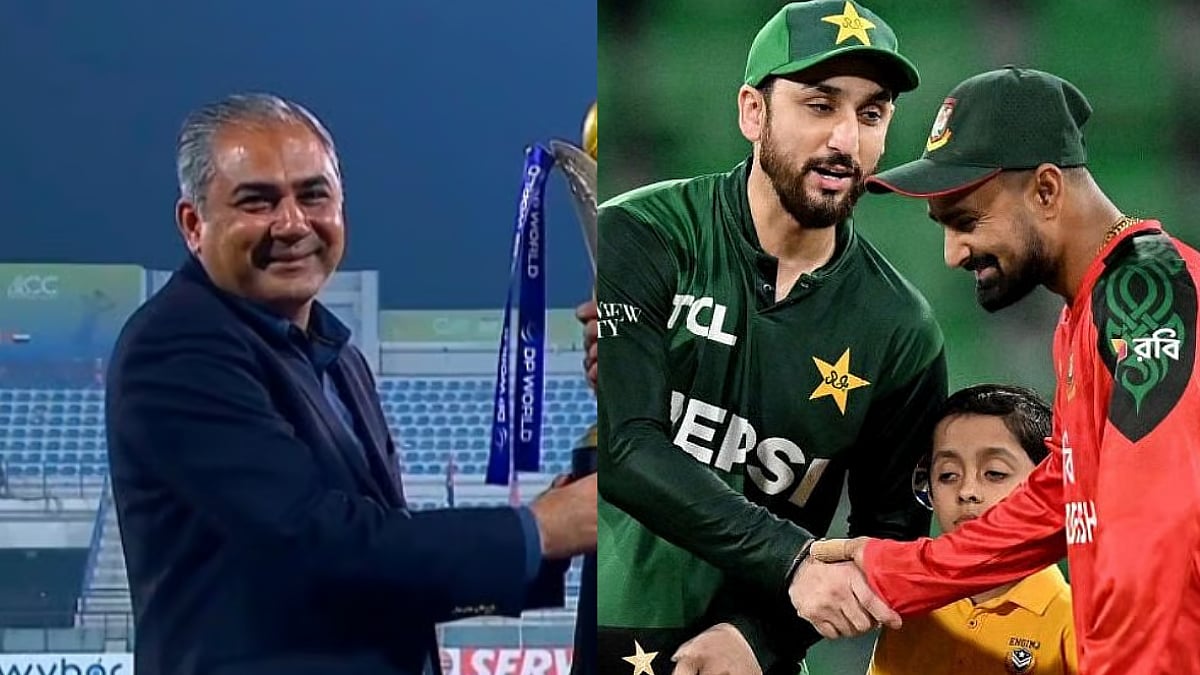
Pakistan’s controversial decision to boycott its high-profile ICC Men’s T20 World Cup 2026 clash against India has left the Pakistan Cricket Board (PCB) increasingly isolated on the global stage, with no other international cricket board publicly supporting its stance. The PCB reportedly reached out to several member boards seeking backing, but none have offered support for its position, according to sources.
The boycott plan, announced via the Pakistan government’s official X account, states that the national team will participate in the tournament but will not take the field against India on February 15. This move was framed by Pakistan as a gesture of solidarity with Bangladesh after its removal from the tournament.
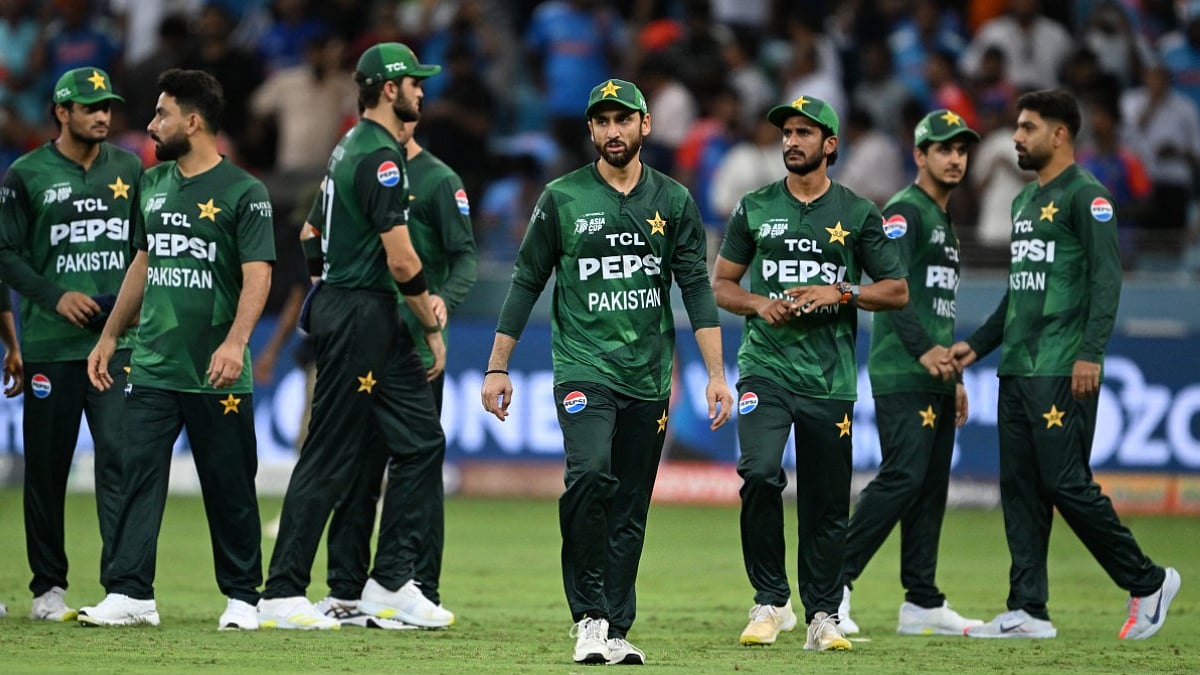
Despite this, international boards have questioned Pakistan’s legal and sporting grounds for the boycott and stressed that they see no justification to support the move. The lack of backing highlights the PCB’s diplomatic isolation within the cricket community, leaving it without allies in its dispute with the International Cricket Council (ICC).
Amid this backdrop, Pakistan’s youth and women’s teams continue to play scheduled fixtures, including matches against India without any boycott calls, underlining a contrast between senior men’s political stance and participation in other divisions of the game.
The unfolding saga has not only stirred debate about the politicisation of cricket but also raised questions over Pakistan’s future participation and standing within international cricket if it persists with its boycott plan.
Pakistan Squad Arrives In Sri Lanka As ICC T20 World Cup Boycott Row Intensifies
The Pakistan national cricket team has landed in Colombo as they prepare for the ICC Men’s T20 World Cup 2026, even as turmoil surrounds their planned boycott of the high-profile Group A clash against India. Videos and images circulated by the Pakistan Cricket Board (PCB) show the team in their World Cup kit arriving in Sri Lanka ahead of the tournament’s start on February 7.
Team captain Salman Ali Agha confirmed before departure that the entire squad is aligned with government and cricket board directives related to the India match, reflecting unity among the players on the issue.
The boycott stems from a government decision that grants Pakistan permission to compete in the tournament but prohibits the side from taking the field against India on February 15 in Colombo, a fixture that is traditionally one of cricket’s most watched. The PCB has not formally filed its position with the International Cricket Council (ICC), leaving the global body in procedural limbo as it contemplates possible consequences.
Political tensions have heavily influenced the move. While Pakistan will play its other group matches in Sri Lanka against teams like the Netherlands, USA, and Namibia, the decision to skip the India match has triggered broad debate both within Pakistan and among the international cricket community about the intersection of diplomacy and sport.
As the tournament approaches, Pakistan’s participation in the World Cup is assured, but the unresolved status of the boycott and its ramifications for cricket diplomacy and future bilateral play continue to loom large.

