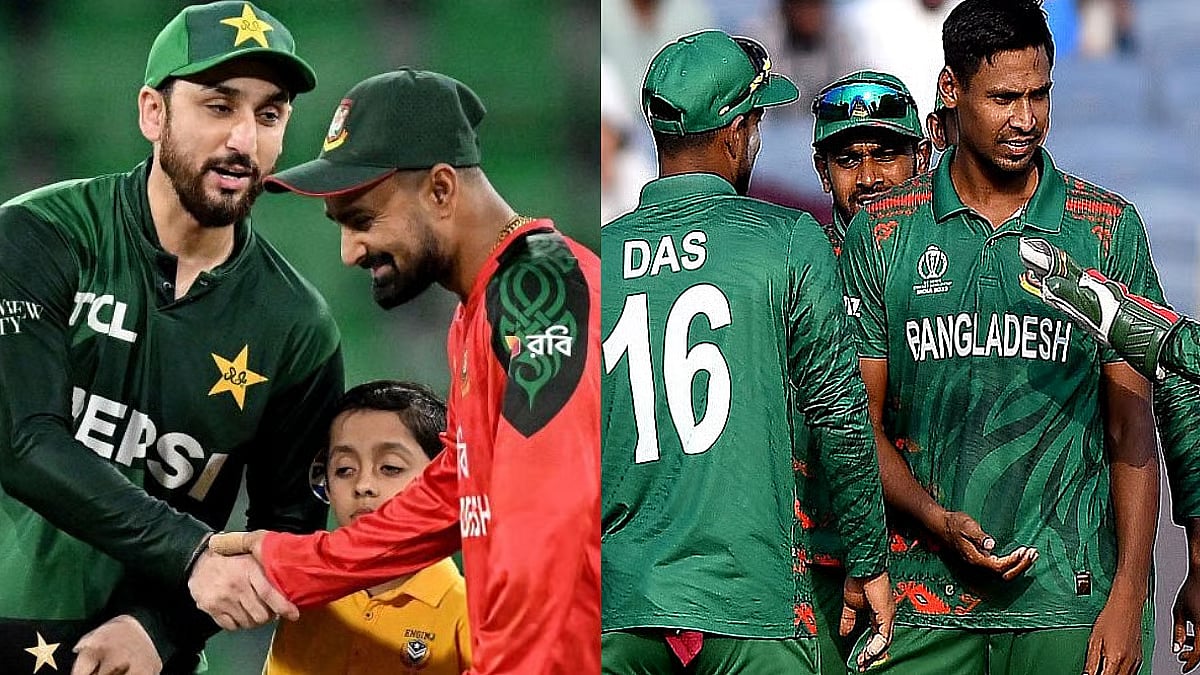
A dramatic turn has emerged in the build‑up to the ICC Men’s T20 World Cup 2026, co‑hosted by India and Sri Lanka, as reports suggest Bangladesh could replace Pakistan in the tournament if the Pakistan Cricket Board (PCB) follows through on threats to withdraw.
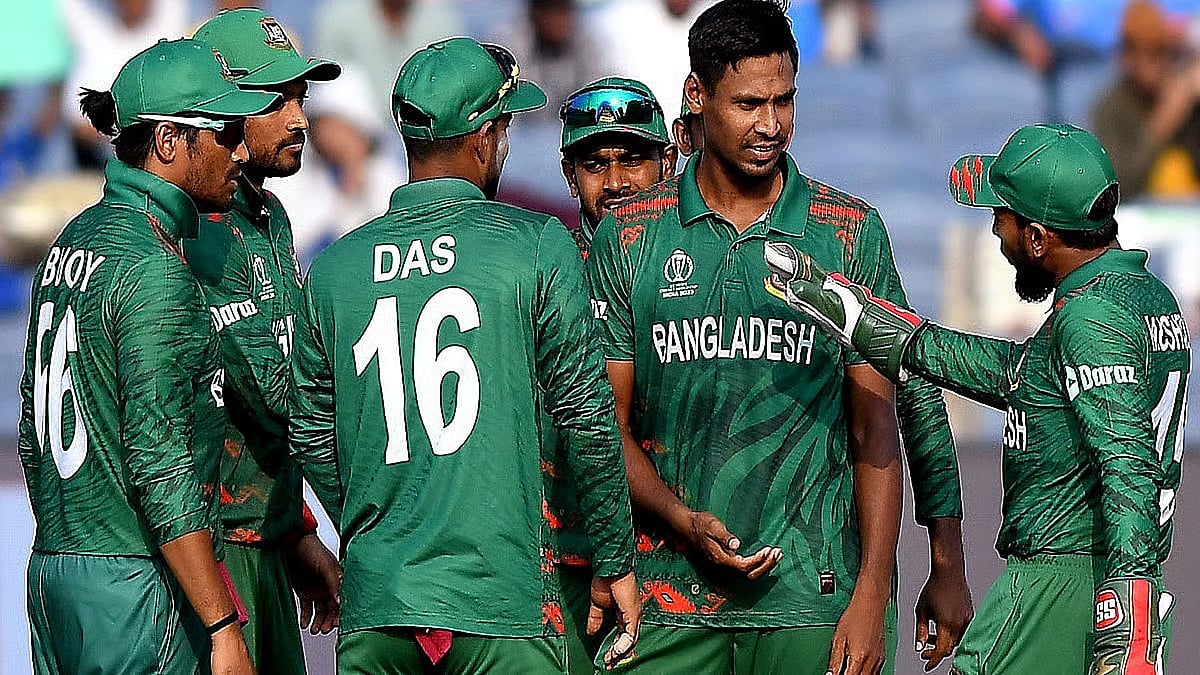
The controversy started after the Bangladesh Cricket Board (BCB) refused to play its World Cup group‑stage matches in India, citing security concerns. The International Cricket Council (ICC) rejected Bangladesh’s request to relocate those fixtures to co‑host Sri Lanka and subsequently removed Bangladesh from the tournament, replacing them with Scotland.
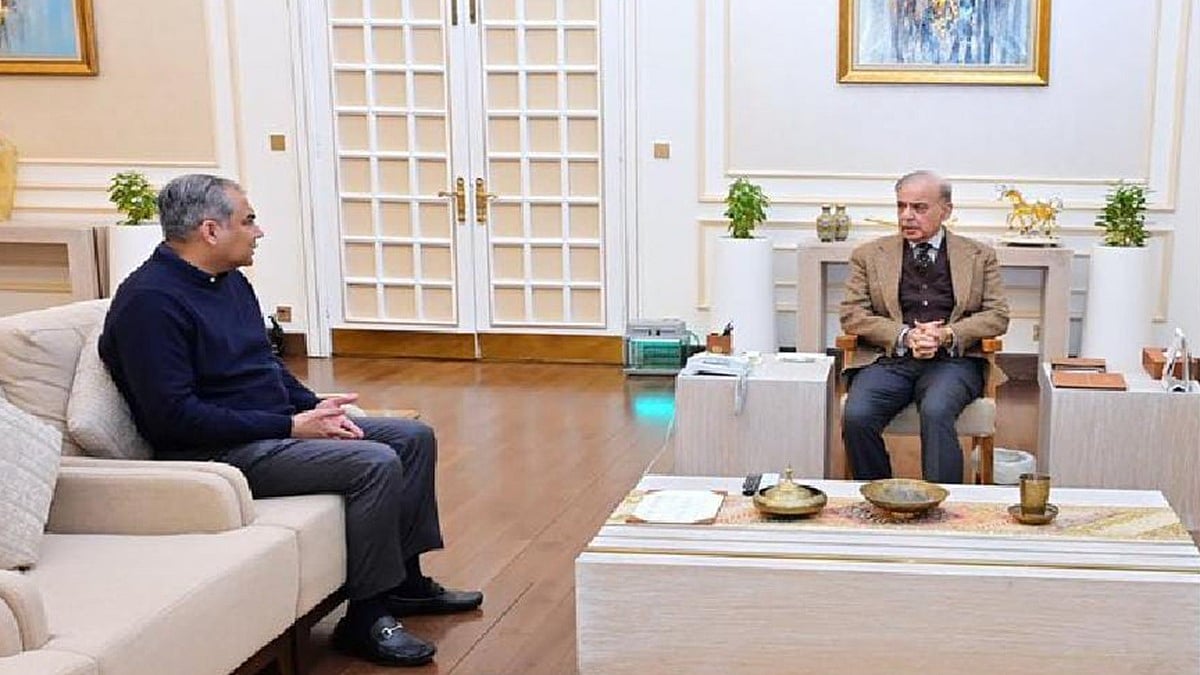
In response, PCB Chairman Mohsin Naqvi publicly criticised the ICC’s handling of the situation, calling Bangladesh’s exclusion “unfair” and accusing the governing body of double standards. He has hinted that Pakistan’s participation could hinge on a government directive, raising the possibility of a boycott in solidarity with Bangladesh.
What will happen if Pakistan pulls out?
Should Pakistan ultimately elect not to compete, Bangladesh may be called upon to fill the vacant spot left by the PCB. Under this scenario, Bangladesh could potentially be slotted back into the competition, likely in Group A with other teams and play matches in Sri Lanka, aligning with their original venue preference.
This proposed sequence underscores a broader political and sporting dispute, with critics arguing that the exclusion of Bangladesh hurts global viewership and fairness, given the nation’s large cricket‑loving population.
Meanwhile, Pakistani authorities have kept their final decision pending discussions with the government, with a ruling expected soon. If Pakistan maintains its boycott stance, the ICC would need to determine a replacement team based on standings and rankings, with Uganda emerging as a likely candidate if Bangladesh elects not to rejoin the contest.
As tensions escalate between cricket boards and the ICC, the upcoming tournament, initially scheduled to begin on February 7, 2026, faces uncertainty that could reshape its lineup and underscore the complex intersection of geopolitics and international sport.

