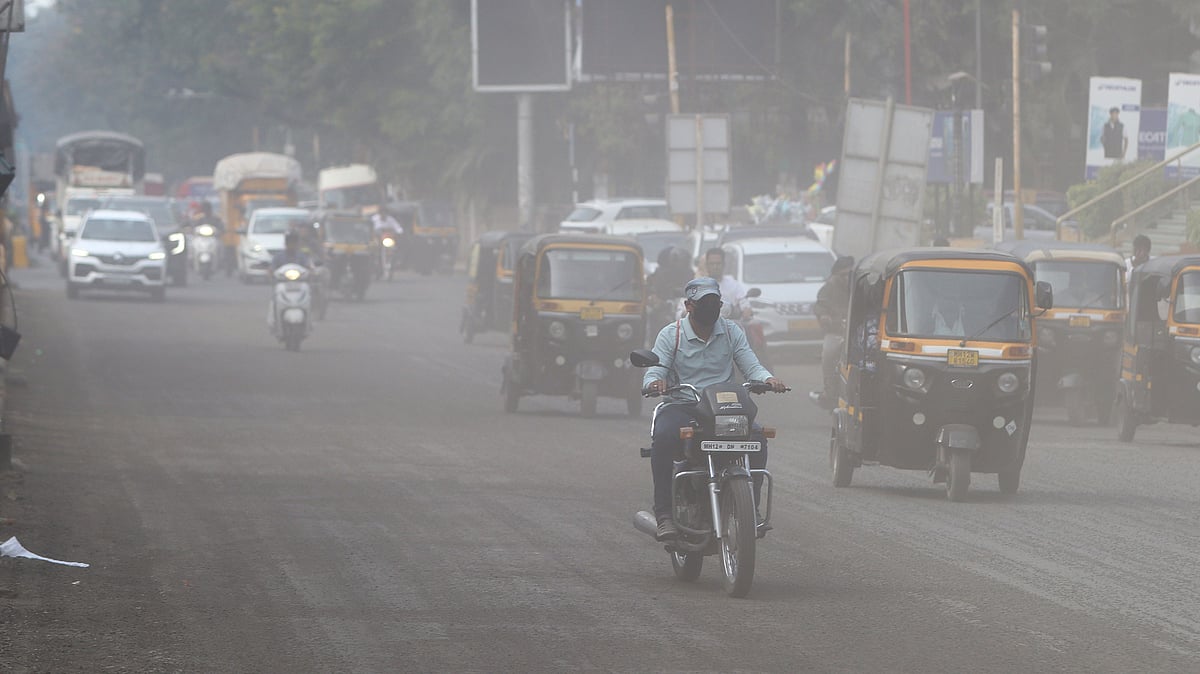
According to the data released on Thursday by SAFAR (System of Air Quality and Weather Forecasting and Research), Pune’s air quality remains in the Moderate to Poor category.
Several monitoring stations recorded AQI fluctuating between 110 and 160, and high-impact locations such as Shivajinagar and Wakad reported AQI crossing 200, indicating Poor to Very Poor air quality.
The city’s deteriorating air quality is triggering serious health impacts, and doctors are reporting a sharp rise in lung-related infections over the past few weeks.

Hospitals across Pune are witnessing an increase in cases of bronchitis, asthma flare-ups, pneumonia-like symptoms, and persistent respiratory infections, particularly among children and senior citizens.
According to medical experts, the patient numbers are expected to rise further as the winter season progresses. The drop in temperature leads to a meteorological phenomenon called temperature inversion, which traps pollutants closer to the ground, reducing air dispersion. This leads to higher concentrations of particulate matter and toxic gases in the breathing zone, which leads to physiological damage to the lungs. This prolonged exposure makes winter riskier. Cold air affects the respiratory tract and makes individuals more susceptible to infections and exacerbations of chronic diseases.
Dr Varsha Bhatt, Rheumatologist at a private clinic in Wanowrie, Pune, said, "Over the years, the drop in air quality due to pollution has brought in many patients. And these past weeks, our outpatient department has observed an increase in patient visits linked to air pollution-related health issues. We have witnessed more than 5-10 patients visit us every week, specifically for complaints related to allergic bronchitis."

"This is a 15-20% rise in the number of patient visits in the past few weeks and is a clear sign of how serious this problem is. The most common symptoms observed among patients include persistent cough, throat irritation, wheezing, shortness of breath, and watery eyes. Individuals with pre-existing conditions like asthma, COPD or chronic bronchitis, and cardiac ailments will experience aggravated discomfort. Additionally, it will affect children, pregnant women and elderly individuals," added Dr Bhatt.
Dr Mansi Sharma, Obstetrician and Gynaecologist at a private hospital in Kharadi, said, "In recent weeks, we have seen a noticeable shift in outpatient patterns, with a significant rise in women seeking care for pollution-related reproductive and pregnancy-linked concerns. On average, we are seeing 4-5 patients out of 10 in our OPD coming with this issue, many presenting with aggravated symptoms such as increased breathlessness, fatigue, headaches, irregular menstrual cycles, and heightened discomfort during pregnancy. Air pollution particularly affects pregnant women, as exposure to high particulate matter can worsen nausea, trigger respiratory issues, elevate stress levels, and in some cases, influence fetal growth and maternal well-being. Women with pre-existing conditions like asthma, anaemia, or thyroid disorders are experiencing more pronounced difficulties during this period."
.jpeg)
Precautionary measures recommended by doctors:
- Individuals should use dust protection glasses and N95 masks during their outdoor activities.
- They can also limit their outdoor activities during early mornings and late evenings, which are essentially considered peak pollution hours.
- Using indoor air purifiers and keeping windows closed during high-pollution periods can help.
- Timely medical check-ups and keeping themselves hydrated, along with a balanced diet rich in antioxidants, is also advisable.
- Most importantly, patients with chronic respiratory or cardiac conditions must seek prompt medical attention if their symptoms worsen.
