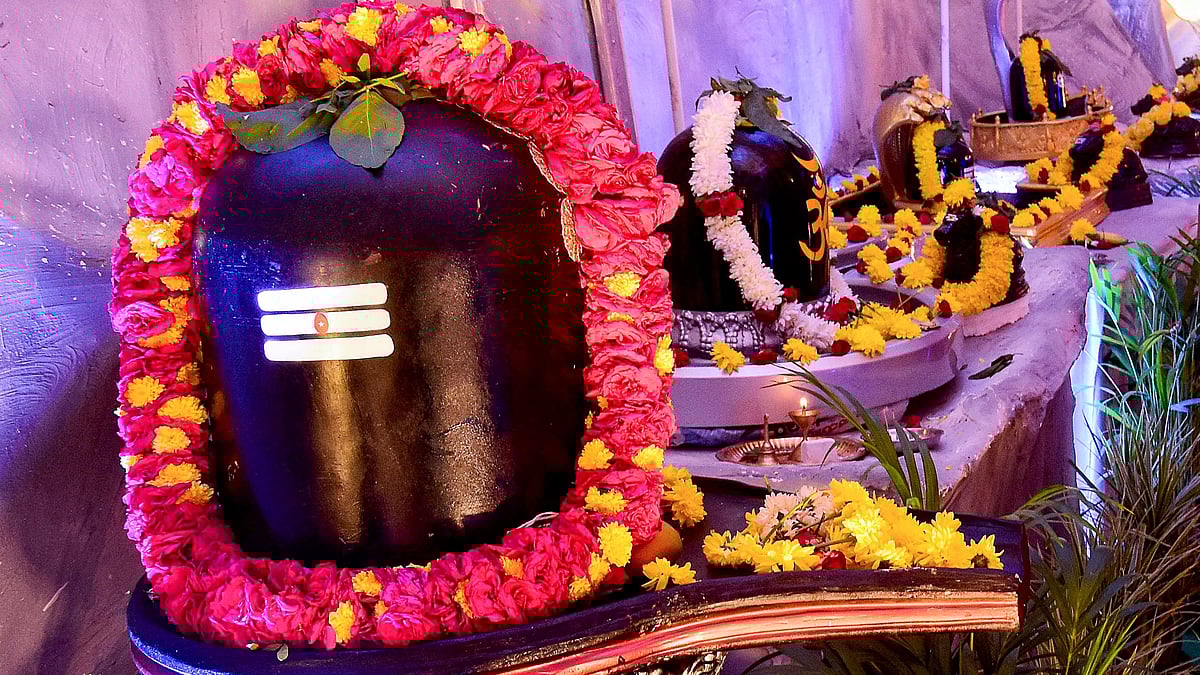
Mumbai: Lord Shiva temples across Mumbai are gearing up to celebrate Maha Shivaratri on Sunday, February 15.
Also called “The Great Night of Lord Shiva,” Maha Shivaratri is one of the most sacred festivals in Hinduism dedicated to Lord Shiva and is observed with deep devotion. It is celebrated on the Chaturdashi Tithi of the Krishna Paksha in the month of Magha, falling on the 14th night of the dark fortnight in Phalguna (February-March), according to the Gregorian calendar.
The festival is associated with profound spirituality. It is believed that on this sacred night, Lord Shiva performed a dance representing the cosmic cycles of creation, preservation, and destruction. Another legend highlights the divine union of Lord Shiva and Goddess Parvati, representing the balance and harmony of cosmic energies, while some see it as the moment Shiva transcended form and became Nishkala—beyond time and space.
Devotees observe the day with fasting, many abstaining from food and water as an act of purification, while some consume fruits and milk. Staying awake through the night is a key part of observance, symbolising the overcoming of darkness and ignorance and a movement toward spiritual awareness. Ritual worship includes abhishekam, the ceremonial bathing of the Shiva Linga with milk, honey, ghee, sugar, water, and bilva (Bel) leaves. Each offering holds symbolic meaning and reflects devotion and surrender. Chanting of “Om Namah Shivaya” continues throughout the night, while temples are adorned with flowers and lights.
Mukesh Kanojia from Shree Babulnath Mandir Charities, Babulnath Road—one of the city's prominent Lord Shiva temples—said that the temple will open for darshan at 00:01 midnight on 15 February 2026 until 10:00 pm the next day.
"Facilities have been provided for devotees to perform water abhisheka. Offering milk, sandalwood, and ashes is prohibited. Special arrangements have been made for VIPs, the disabled, senior citizens, and pregnant women," said Kanojia. Rituals at the temple will be broadcast live.
In Matunga, celebrations at Sri Sankara Matham begin with Rudra Homam in the afternoon of February 15, followed by Vasordhaara. The first of the four Yaamas (phases) commences in the evening with Mahanyasa Rudra Japam. Then the Laksharchana with bilva leaves begins, chanting “Om Namah Shivaya” one lakh times.
The night is divided into three Yaamas, during which the Shiva Linga is worshipped with holy water, bilva leaves, sandalwood paste, and other ritual offerings, culminating in the powerful Nishita Kaal meditation and concluding with deeparadhana on the following day. “This is the only temple in this area where Mahashivaratri is celebrated in such a grand manner,” said the Matham secretary, S. Sivasubramanian. More than 500 devotees stay the full night and participate in the pooja, he said.

Also Watch:
Other temples in Matunga, including the Siva Temple, South Indian Bhajana Samaj, and Sri Marubai Gaondevi Mandir, also conduct special poojas and night-long prayers to mark the occasion.
Isha Yoga has made arrangements for meditators to join Sadhguru Jaggi Vasudev in a livestream during the night. Sadhguru will guide seekers into deeper receptivity with processes and offerings, including Pancha Bhuta Kriya—a process of purifying the five elements within the human system—and the Yogeshwara Linga Maha Abhishekam, a powerful process to help devotees connect with the Yogeshwara aspect of Shiva, which is about union, inclusivity, and liberation. The night will also feature cultural performances by esteemed artists at the Isha Yoga headquarters near Coimbatore. Meditators will be able to watch the programmes live.
To get details on exclusive and budget-friendly property deals in Mumbai & surrounding regions, do visit: https://budgetproperties.in/

