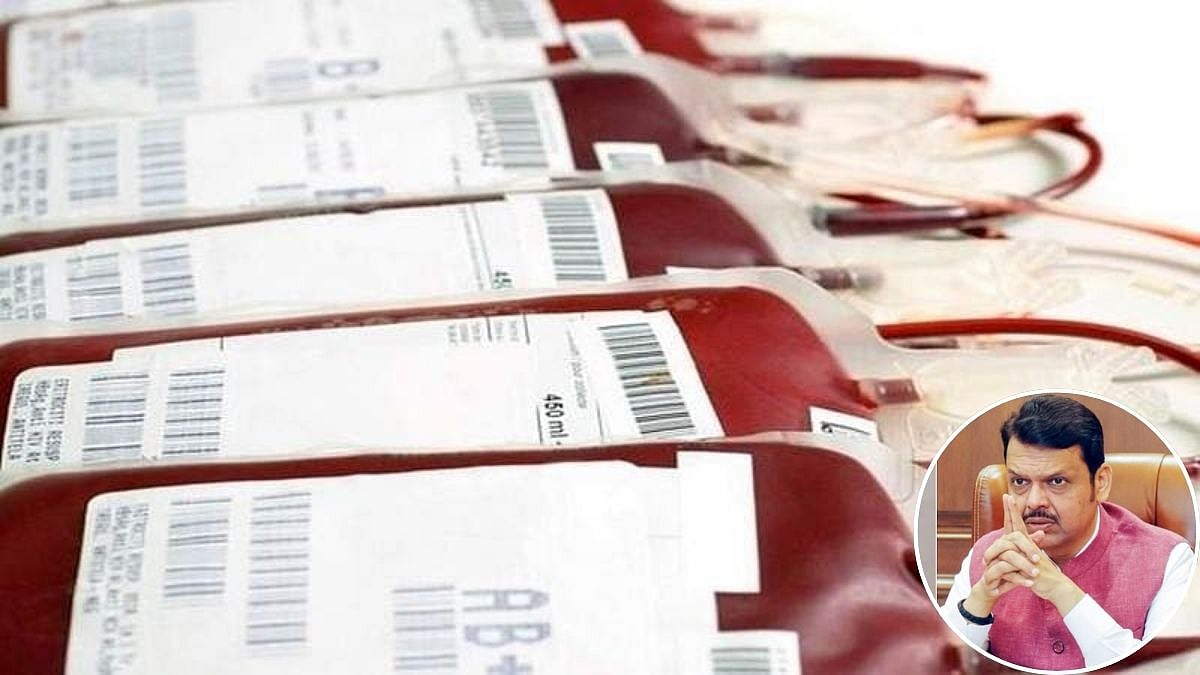
Mumbai, Jan 30: The Maharashtra government has approved a comprehensive policy for granting No Objection Certificates (NOC) to new blood centres, mandating annual collection of 3,000 blood units in metropolitan cities and 2,000 units in urban, rural and tribal areas, while making blood component separation facilities compulsory for all new centres.
Decision after SBTC review
The decision follows a high-level review meeting of the State Blood Transfusion Council (SBTC) held on June 12, 2025, under the chairmanship of the Minister for Public Health and Family Welfare.
The policy seeks to strengthen the blood transfusion system across the state by promoting voluntary blood donation, ensuring equitable geographical distribution of blood centres, and improving efficient utilisation of blood through component separation.
Four geographical categories defined
Under the newly approved framework, Maharashtra has been divided into four geographical categories — metropolitan cities, urban (district headquarters), rural (taluka headquarters) and tribal areas. Organisations intending to establish blood centres must primarily rely on voluntary blood donation camps and meet the prescribed minimum collection targets. The performance of newly approved blood centres will be reviewed by the SBTC after two years.
Component separation and apheresis mandatory
To ensure judicious use of blood, the government has made it mandatory for all new blood centres to establish blood component separation facilities. Additionally, preference will be given to centres equipped with apheresis services, aimed at addressing platelet shortages and improving patient safety, particularly in critical and emergency care settings.
Special provisions for remote areas
Special provisions have been made for underserved and remote areas. “NOCs may be granted for establishing blood centres at block headquarters even if district-level population and collection norms are met, provided there is no existing blood centre in the block,” stated the guidelines.
Hospitals and medical colleges eligible
Similarly, medical colleges and hospitals with a bed strength of 300 or more will be eligible to set up in-house blood centres, while government hospitals may establish blood centres as per need without requiring a separate SBTC NOC.
Conditions for hospital-based centres
For hospital-based blood centres, the policy requires assessment of bed capacity, specialised procedures such as organ transplants, and emergency services handled by the hospital. Approved hospitals must also undertake to supply blood and blood components to nearby hospitals, subject to performance review after two years.
Also Watch:

Strict eligibility norms
“The policy lays down strict eligibility criteria for applicant organisations, including mandatory registration as charitable or voluntary organisations, a minimum operational history of two years, and compliance with guidelines issued by the National Blood Transfusion Council (NBTC) and SBTC. To prevent clustering, geographical mapping of existing blood centres will be undertaken, and exclusive tie-ups with recipient hospitals will be mandatory,” said an official from the SBTC.
To get details on exclusive and budget-friendly property deals in Mumbai & surrounding regions, do visit: https://budgetproperties.in/

