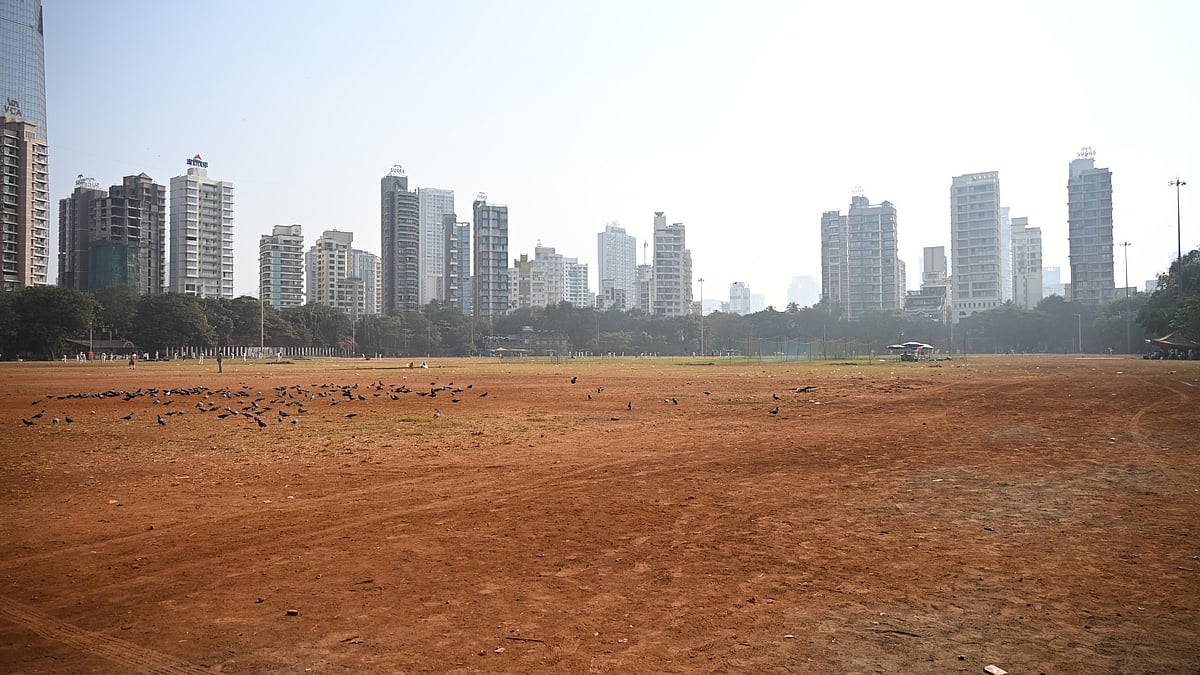
Mumbai: With the Shiv Sena headquarters within its boundaries, the G North municipal ward—comprising Dadar, Shivaji Park, Matunga East, Mahim and Dharavi—has long been an arena for some of the city’s most significant political contests. The area is now on the cusp of major change, with its northern part, Dharavi—one of the country’s largest slums—set to be redeveloped into a modern residential and business district in the coming years. Connectivity has improved with three new Metro stations—Dadar, Sitladevi and Dharavi—on the underground Aqua Line.
Sharp Social and Economic Contrasts Define the Ward
Home to nearly 5.9 lakh people spread across 9.07 sq km, the ward presents sharp contrasts. Upper-middle-class neighbourhoods such as Shivaji Park, Matunga West and parts of Mahim sit alongside dense slum clusters in Dharavi, Mahim and Shahu Nagar. It is also a religious melting pot, housing major pilgrimage centres including the Shree Siddhivinayak Ganpati temple, Mahim dargah, St Michael’s Church and the Sitladevi temple. Mahim has long-established Catholic, Muslim, Parsi and Sindhi residential colonies, while Dharavi is home to Tamilian migrants, Gujarati potters, Muslims and Marathi-speaking Koli fisherfolk.
The area around Dadar railway station is a major commercial hub, with saree emporiums, jewellery shops and restaurants drawing shoppers from across Mumbai. Yet residents say civic services do not match the ward’s political and economic prominence.
Bulu Saldanha, G North coordinator for AGNI (Action for Good Governance and Networking in India), said municipal services have deteriorated in the absence of elected corporators over the past few years. “Except for Shivaji Park, which gets attention because of the crowds it attracts, the rest of the ward—especially Mahim—gets stepmotherly treatment. Garbage, hawkers and dust from construction are constant problems,” he said, adding that assistant municipal commissioners were “not up to the mark”.
Illegal Hawking and Organised Encroachments Spark Violence
Illegal hawkers occupying roads remain a major concern. Earlier this month, Chetan Kamble, a young social activist campaigning against illegal activities in the area, was brutally assaulted for complaining about an unauthorised vehicle-washing centre on Senapati Bapat Marg. Kamble, founder of civic watchdog group Chakachak Dadar, alleged that hawking, encroachments, unauthorised parking and gambling were run by organised gangs. “Encroachers get water and electricity while residents of authorised slums are denied these facilities. This cannot happen without an organised network with official backing,” he said.
Garbage management is another persistent issue, particularly in Dadar’s vegetable, flower and cloth markets. “Every morning, garbage-strewn streets greet us,” said Irfan Machhiwala of the Mahim Residents Group. He pointed out that major religious sites such as the Mahim dargah, Sitladevi temple and St Michael’s Church attract large floating populations. “By evening, the roads are filthy. We need nighttime sweeping, but the municipal office says it does not have enough vehicles,” he said.
In contrast, some residents have taken matters into their own hands. At Our Lady of Vailankanni and Perpetual Succour Cooperative Housing Society in Mari Nagar, Mahim, residents set up a composting facility after the BMC refused to collect wet waste from the 12-storey building due to its size. Kitchen waste is now converted into fertiliser, and residents also dug a well—with municipal permission—to supplement erratic water supply.
However, promised incentives have not materialised. “We compost nearly 100 kg of wet waste daily, saving the BMC money, but the tax rebate promised to us is yet to come,” said A M Sodder, secretary of the 102-member society, who also flagged haphazard taxi parking near Mahim station.

Traffic Congestion and Parking Nightmares Persist
Traffic congestion is another flashpoint, especially near the Siddhivinayak temple and Dadar station. Nitin Mangalore, who lives next to the temple, said traffic has worsened steadily. “The roads are too narrow to widen, though the Metro has made commuting faster,” he said. Judith Monteiro, a resident near Agar Bazar, echoed concerns about illegal parking, flower hawkers, road dust and prolonged digging without repairs.
Residents also lament the lack of open spaces, apart from Shivaji Park, the Maharashtra Nature Park in Dharavi and a narrow strip of beach in Dadar. While a section of Mahim beach and the adjoining fort have been cleared of slums, Machhiwala alleged that several plots reserved for schools and gardens had been handed over to builders.
With civic elections expected, residents hope a new crop of corporators will address long-standing issues. Saldanha, however, expressed concern over the Dharavi redevelopment displacing domestic workers to distant transit camps. “Most of our domestic help comes from Dharavi. If they are moved far away, it will affect daily life,” he said.
To get details on exclusive and budget-friendly property deals in Mumbai & surrounding regions, do visit: https://budgetproperties.in/

