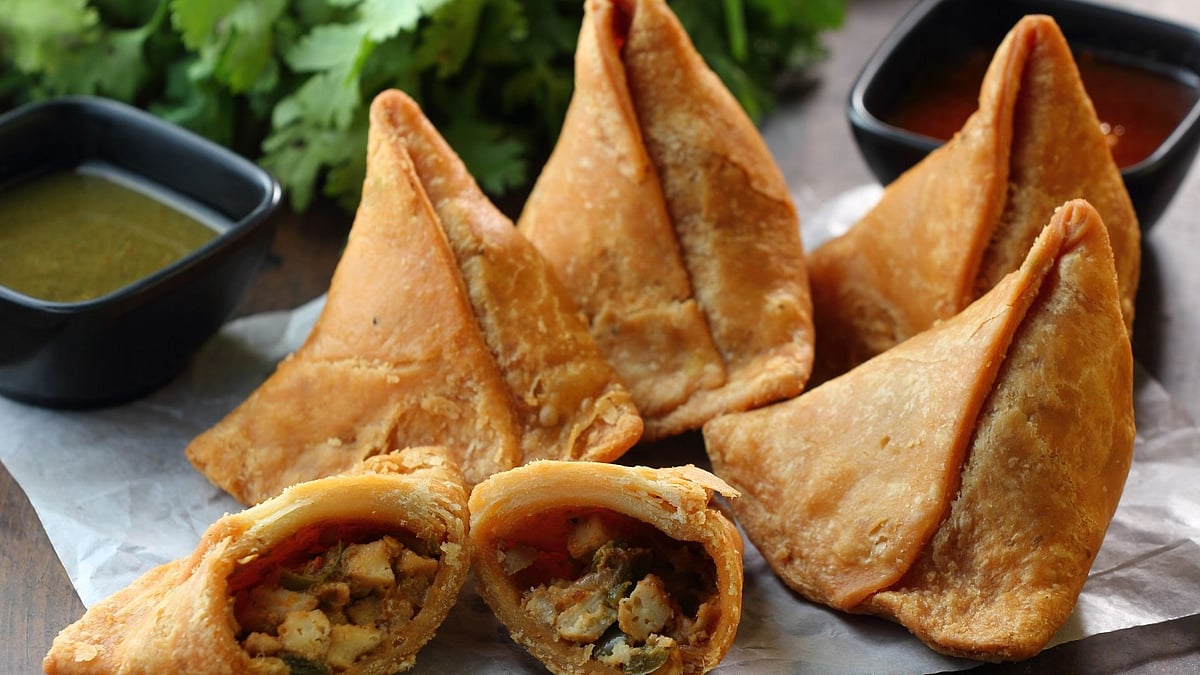
That crispy office samosa might seem like an innocent ₹20 indulgence after a long workday- but what if it’s actually costing you ₹3 lakh in the long run? A recent viral post by Delhi-based cardiologist Dr. Shailesh Singh has left the internet questioning everyday food habits and their hidden price tag.
A ₹20 snack or a ₹3 lakh medical bill?
In his now-viral post on X (formerly Twitter), Dr. Singh broke down the “economics of unhealthy eating” in a way that’s hard to unsee. He calculated that someone who eats one office samosa every day- around 300 a year- spends roughly ₹90,000 over 15 years.
But that’s not the real cost, he warned. The bigger price comes later- when poor eating habits catch up in the form of health complications. “You’re not saving money on unhealthy food,” he wrote. “You’re taking a loan against your arteries at 400% interest.” According to him, the loan eventually gets repaid with a ₹3 lakh angioplasty.
‘Your Body Doesn’t Wait for Your Schedule’
Dr. Singh’s message struck a chord because it went beyond just numbers. He pointed out how many of us delay prioritising health- telling ourselves we’ll start after this project, after the promotion, or even after retirement.
“The body doesn’t wait for our calendars to clear,” he reminded followers. His advice was simple: health doesn’t run on deadlines- start now or pay later.
Choose your hard
In a motivational twist, Dr. Singh also offered a roadmap for change. The first week of exercising or eating clean might feel punishing, he said, but stick with it- and it becomes second nature.
“The discomfort you’re avoiding lasts seven days,” he wrote. “The regret lasts forever. Choose your hard.”

Experts agree that small, consistent lifestyle changes- like 30 minutes of walking, limiting fried snacks, and managing stress- can drastically reduce heart disease risks. According to the World Health Organization (WHO), cardiovascular diseases remain the leading cause of death in India, responsible for nearly one in four deaths each year.

