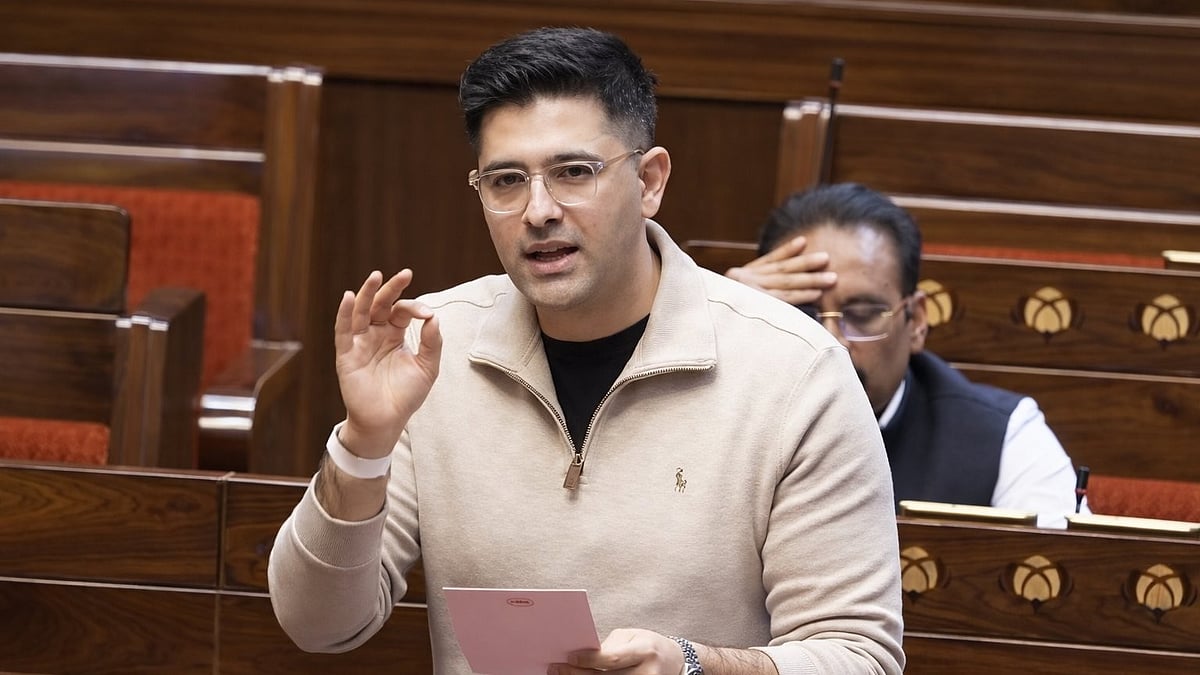
Aam Aadmi Party (AAP) Rajya Sabha MP Raghav Chadha has reignited debate on electoral reforms by advocating the introduction of the “Right to Recall” in India’s parliamentary system. The proposal centres on giving voters the authority to remove elected representatives before the completion of their term if they fail to meet expectations.
Speaking in Parliament and on social media, Chadha argued that democratic accountability should not end once elections are over. He maintained that if citizens have the power to elect their leaders, they should also be able to “fire” them for non-performance. According to him, waiting five years offers little recourse for voters dissatisfied with their MP or MLA.
What does Right to Recall mean?
The mechanism allows voters to initiate the removal of an elected representative through a formal process. Typically, it begins with a verified petition demanding recall. Chadha suggested that at least 35–40% of voters should support such a petition before a recall vote is conducted.
To prevent misuse, he proposed safeguards including an 18-month cooling period after elections so representatives have adequate time to deliver on promises. Recall proceedings, he said, should be limited to serious grounds such as proven corruption, fraud, misconduct, or major neglect of duty—not routine political disagreements. Removal would require the backing of more than half the voters in the final ballot.
Chadha also noted that over two dozen democracies, including the United States, Switzerland, Japan, and Taiwan, have some form of recall provision. In India, the system exists in certain local bodies but has not been extended to MPs or MLAs.
Supporters see the idea as a tool to strengthen accountability, while critics caution it could trigger political instability if not carefully designed.

