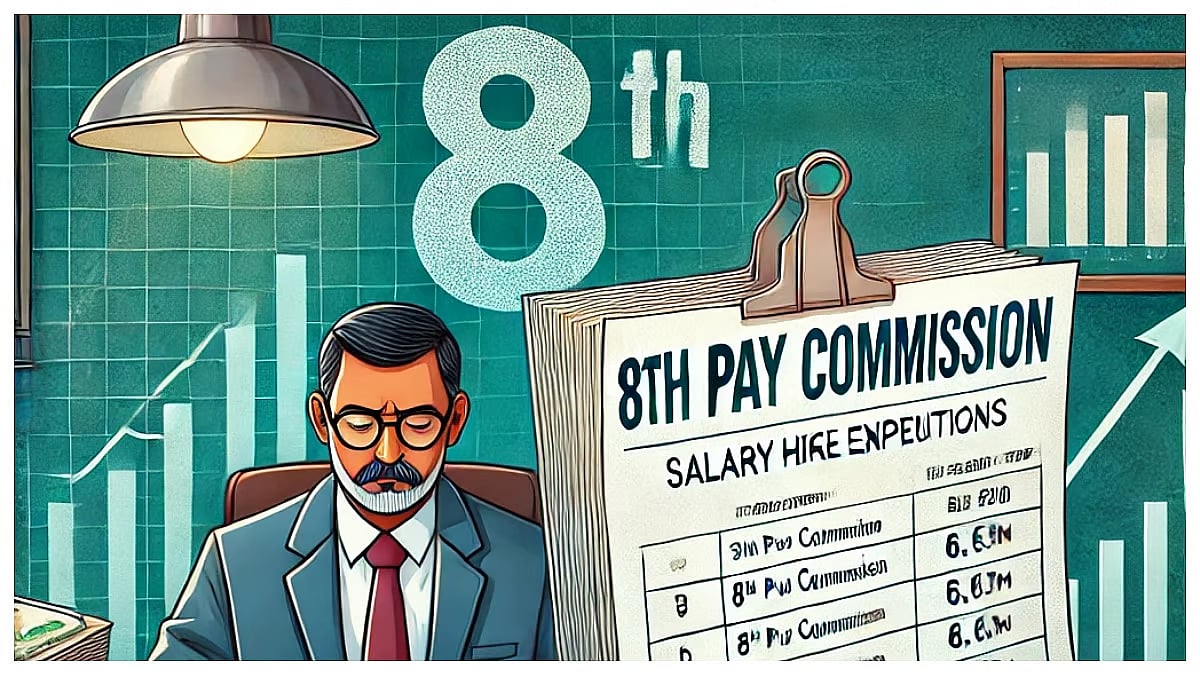
New Delhi: The government has started a public consultation process for the 8th Pay Commission, allowing citizens to give suggestions on salaries, pensions and allowances of central government employees. This move has gained strong interest from government staff and pensioners who are closely tracking the commission’s work.
The consultation allows employees, pensioners, departments and other stakeholders to share their views through the official website launched for the commission.
Timeline And Background
The 8th Pay Commission was announced in January 2025. Later, it was officially formed through a government resolution issued on November 3, 2025. The Terms of Reference (ToR), which define what the commission will study, have already been approved.

The commission has been given 18 months to prepare and submit its final recommendations to the government. These recommendations will decide future changes in salary structures, pensions and allowances for central government employees.
Current Status Of Commission Work
Minister of State for Finance Pankaj Chaudhary informed Parliament that the commission has started its work. The panel is currently reviewing key areas such as:
- Salary structure changes
- Allowance revisions
- Pension system improvements
- Implementation timelines
The government is gathering feedback to ensure that future pay policies match current economic conditions and employee needs.

Website Launched, Who Can Participate
The government has launched the official website to collect feedback. The platform is open to:
Central government employees
Pensioners
Government departments and ministries
Other stakeholders and citizens
The last date to submit feedback is March 16, 2026.
The online system is designed to make participation easier and allow wider public involvement.
Why This Matters For Employees And Pensioners?
The Pay Commission recommendations directly affect income and retirement benefits of central government employees. Any revision can impact monthly salary, pension payments and allowance structure.
For many employees and retirees, this is a rare chance to directly share suggestions that may influence future financial policies. The consultation also helps the government understand ground-level concerns before finalising the report.
What Happens Next?
The commission will study all feedback along with economic data and government finances. After this, it will prepare recommendations and submit them within the given timeline.
Final decisions will be taken by the government after reviewing the report.

