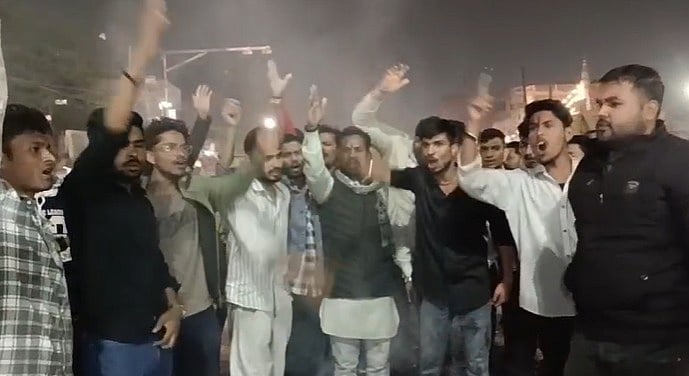
Jabalpur (Madhya Pradesh): NSUI students (National Students' Union of India) staged a protest against the new UGC Guidelines 2026 in Jabalpur on Wednesday.
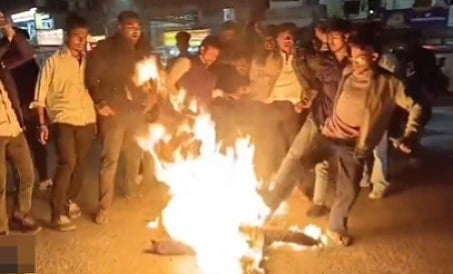
During the protest, students burnt posters of the UGC Bill to show their opposition. The protesters shouted slogans such as “Sarkaar hosh mein aao” and raised voices against what they called an unfair law.
NSUI student leader Akash Khare, while addressing the gathering, said the government is creating division among students. He said that earlier the government created divisions between communities, and now it is dividing students among themselves.
He added that the slogan of unity is being ignored and that such laws only increase tension. He warned that if the UGC Act 2026 is not withdrawn, students will launch bigger protests across the district and may even call for a Jabalpur Bandh in the coming days.
According to information, the demonstration took place in the Chungi Chauki area, where a large number of students gathered and raised slogans against the government and the UGC.
What is the matter?
The new UGC guidelines have enraged students from general category, who say the regulations can be easily misused against them. The UGC recently notified the UGC (Promotion of Equity in Higher Education Institutions) Regulations, 2026, which will replace the older 2012 rules.
The guidelines aim to promote equality in colleges and universities and provide protection to SC, ST, OBC, women, and persons with disabilities by setting up special committees and equal opportunity centres (EOC).
However, protesting UR category students claim that the new rules do not clearly protect general category students. They allege that if a complaint is filed against them, the burden of proof may fall on them, which they believe is unfair.
According to the students, this creates fear and confusion on campuses and can lead to misuse of the law.
The protesting students have demanded that the UGC Act 2026 be taken back immediately and said they will continue their movement until their demands are met.

