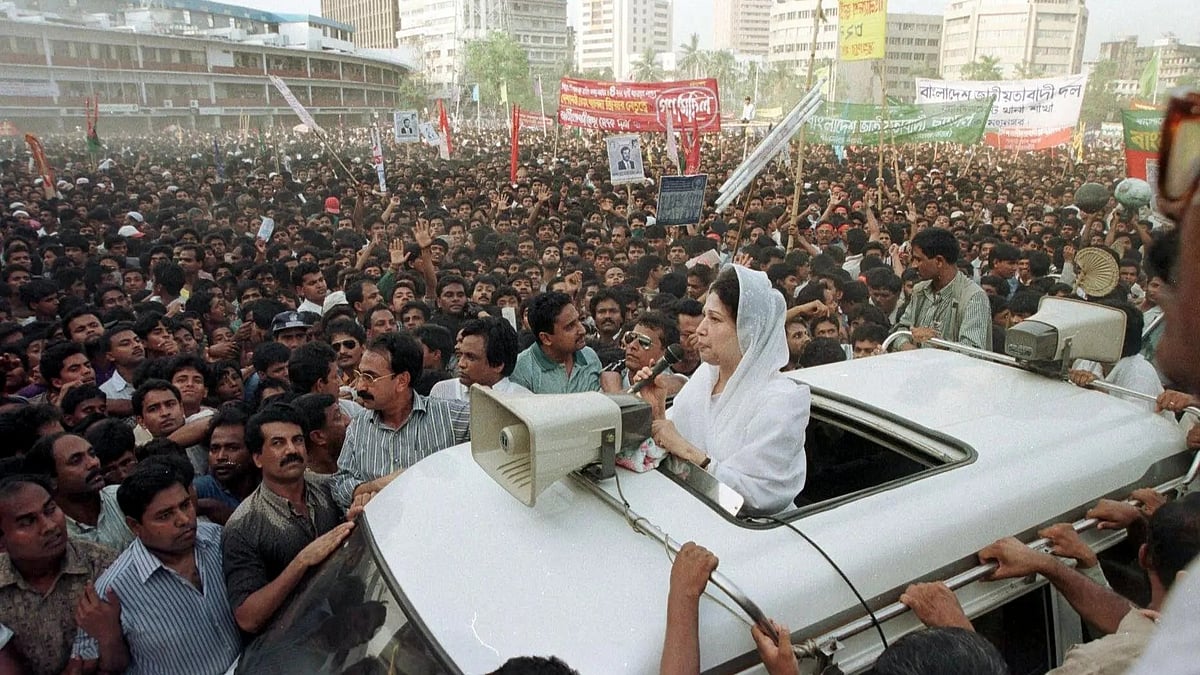
Former Bangladeshi Prime Minister and Bangladesh Nationalist Party (BNP) chairperson Begum Khaleda Zia passed away early Tuesday morning, the party said in a statement. Khaleda Zia, whose historic rivalry with Sheikh Hasina defined the country’s politics for a generation, died at the age of 80.
The 80-year-old former prime minister had been suffering from multiple physical ailments, including heart disease, diabetes, arthritis, liver cirrhosis, and kidney complications, for a long time. She had been receiving treatment at Dhaka’s Evercare Hospital.
Khaleda Zia is considered one of the most influential figures in Bangladesh’s post-independence history, dominating the country’s political landscape for over four decades until her death at the age of 80.
Indian Roots and Early Life
Khaleda Zia had a connection with India.
She was born on August 15, 1945, in Jalpaiguri, then part of British India’s Bengal Presidency and now in West Bengal. Her family migrated to East Bengal (now Bangladesh) following the Partition in 1947. She later completed her schooling and higher studies in Dhaka.
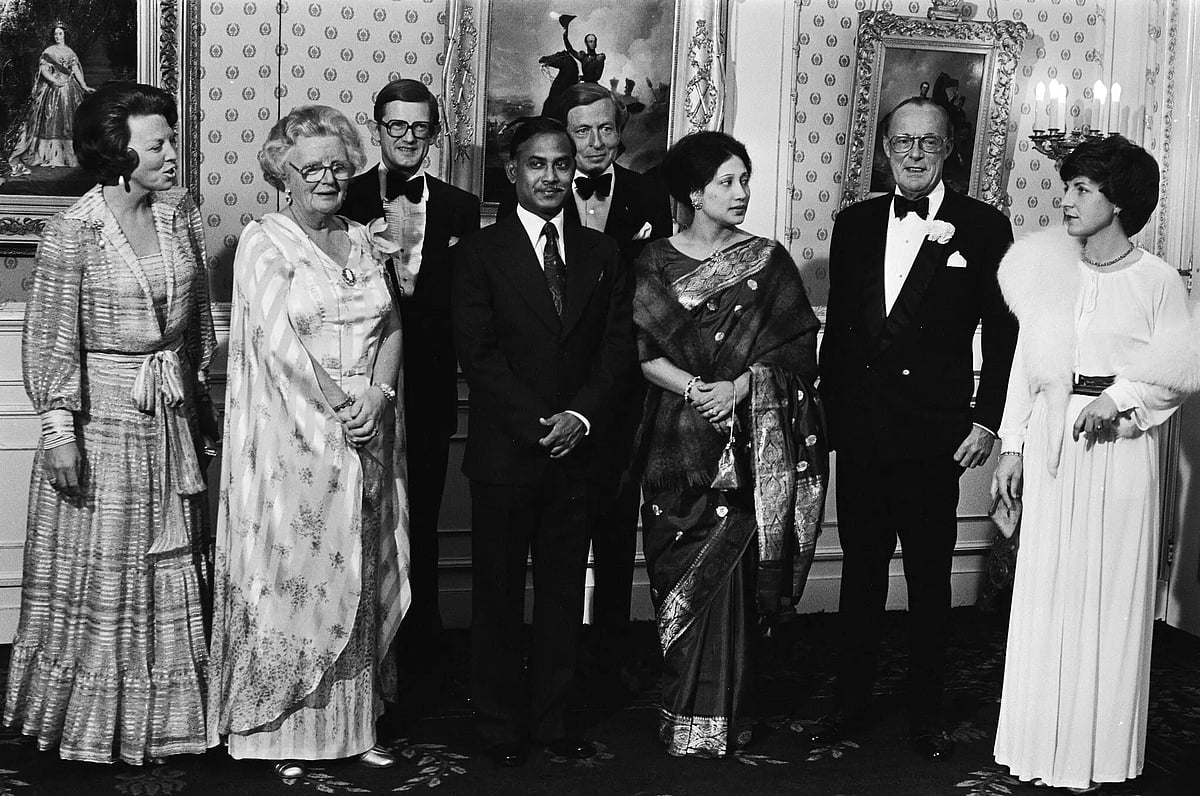
She married Ziaur Rahman, a military officer and a key figure in Bangladesh’s 1971 Liberation War, in 1960. This marriage eventually paved the way for her entry into politics and her rise within the BNP.
Rise in Politics and Democratic Struggle
She played a pivotal role in restoring parliamentary democracy after years of military rule. As chairperson of the Bangladesh Nationalist Party since 1984, she led a mass movement against dictator Hussain Muhammad Ershad, enduring multiple arrests during the struggle.
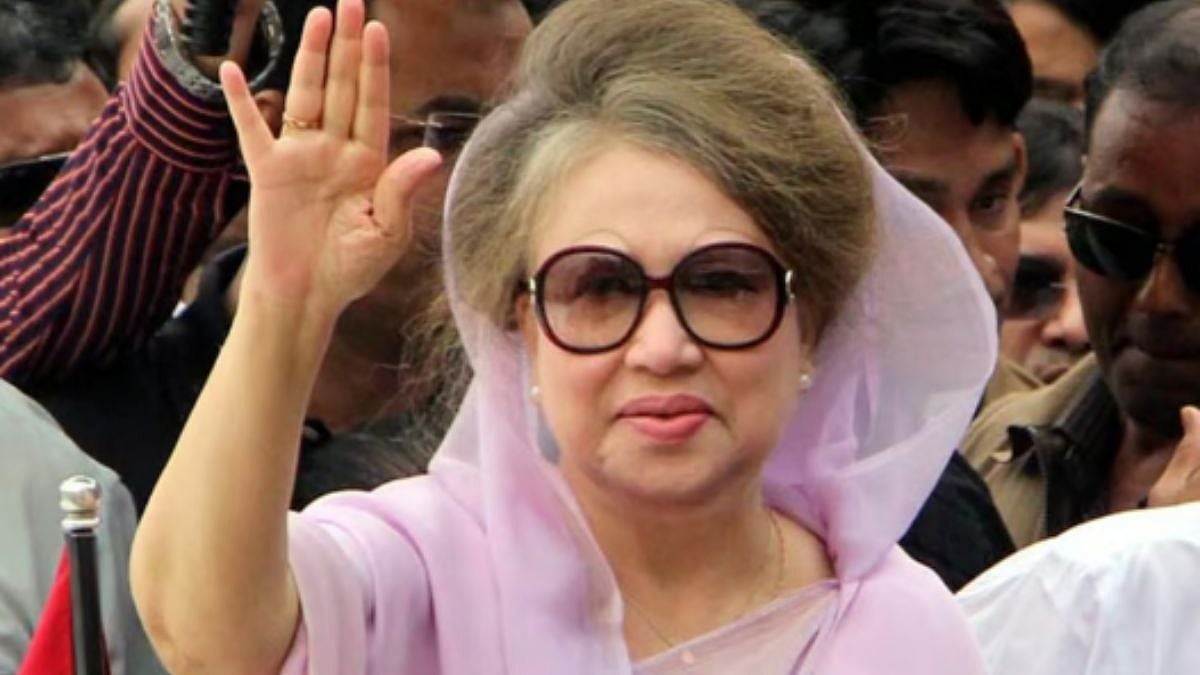
Her perseverance ultimately bore fruit when she won the 1991 elections, becoming the first female prime minister of Bangladesh.
Education and Economic Reforms
During her first term as prime minister, Bangladeshi children received about two years of education on average and for every three boys in classrooms, there was only one girl. Khaleda Zia pushed heavily for education and vocational training reforms.
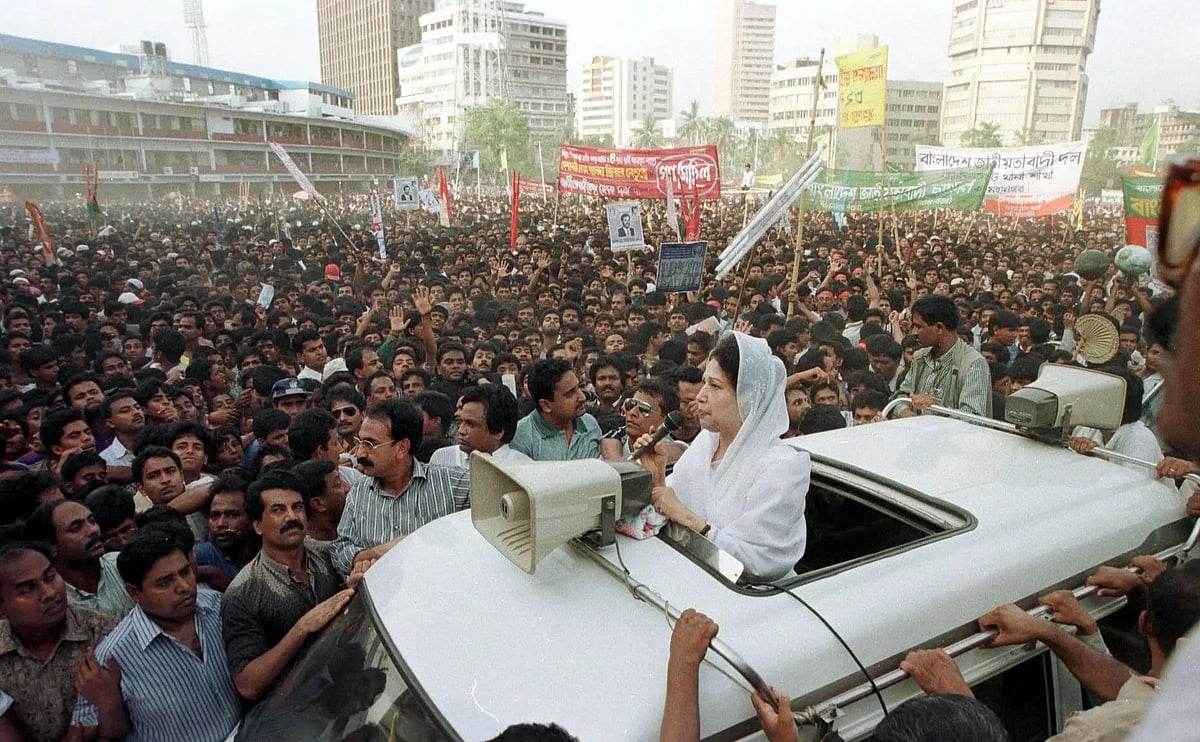
Her government made primary education free and mandatory for all, while education for girls was made free up to the 10th grade. To fund these initiatives, the education budget was increased by 60% in 1994 the highest allocation among all formal budget sectors at the time.
During her tenure, she also oversaw economic reforms promoting private enterprise, achieving consistent GDP growth of over 5–6%.
Political Turmoil and Controversies
In her second, brief term in February 1996, the BNP won elections that were boycotted by the opposition amid widespread protests. She resigned after a month to pave the way for fresh polls under a caretaker government.
During her third term, leading a four-party alliance, she returned to power with a landslide victory. However, this tenure was flawed by corruption allegations, with Bangladesh topping global corruption rankings between 2001 and 2005. The period also saw a rise in Islamist militancy, political violence, and criticism over the BNP’s alliance with Jamaat-e-Islami. The term ended amid unrest, leading to the installation of a military-backed caretaker government.
Imprisonment and Political Comeback
Following this, Sheikh Hasina-led governments came to power in 2009. Despite setbacks, Khaleda Zia remained active in politics, continuing her struggle for what she described as democracy. She launched several movements against the government and was eventually evicted from her residence and placed under house arrest.
For decades, Khaleda Zia’s political identity was closely tied to her long-standing rivalry with Sheikh Hasina, leader of the rival Awami League party. The competition between the two often dubbed the “Battle of the Begums” deeply influenced Bangladesh’s political landscape and alternated between electoral contests, street confrontations, and periods of political instability.
In 2018, Khaleda Zia was sentenced to 17 years in prison in the Zia Orphanage Trust and Zia Charitable Trust corruption cases. A local court found her guilty of abusing her position as prime minister by directing funds to the newly established Zia Orphanage Trust. She was released last year, shortly after Sheikh Hasina was forced out of power.
She spent approximately two years and one and a half months in actual prison between February 8, 2018, and March 25, 2020. On March 25, 2020, amid the COVID-19 pandemic, her sentence was conditionally suspended, allowing her to receive treatment at home. This effectively placed her under house-arrest-like restrictions at her Gulshan residence in Dhaka, barring her from leaving the country.
The suspension was extended every six months until political changes in 2024. Following Sheikh Hasina’s ouster in August 2024, President Mohammed Shahabuddin ordered her full release on August 5, 2024, commuting her sentence. She was later acquitted in key corruption cases by late 2024 and early 2025.
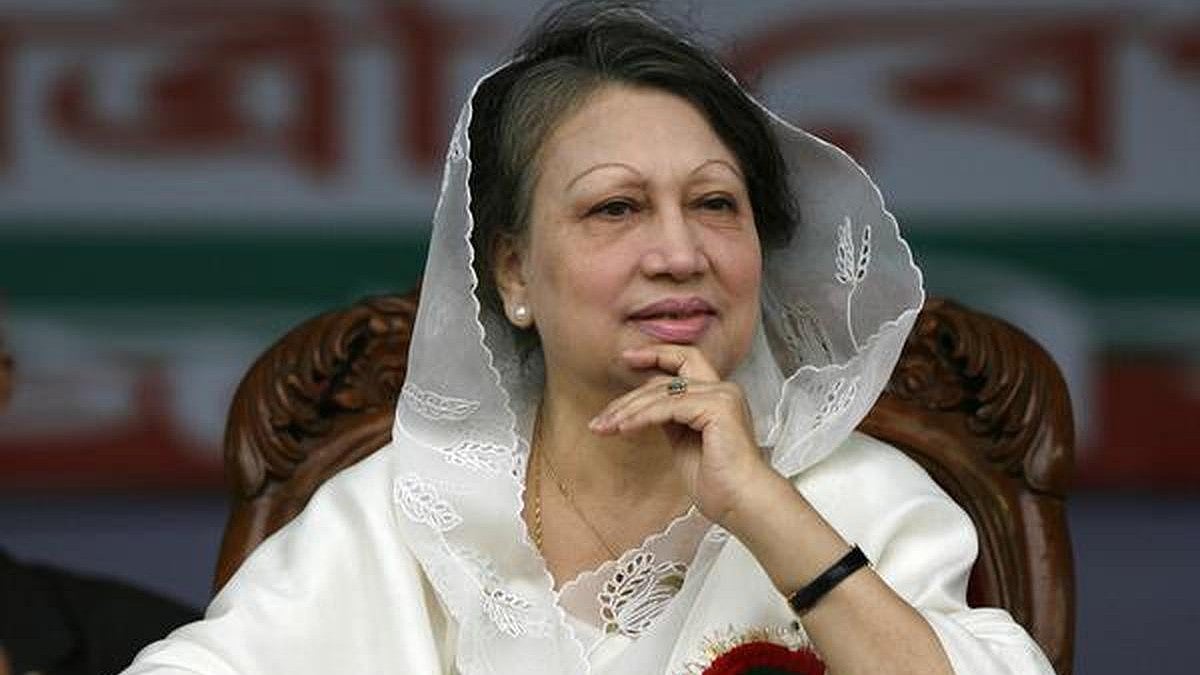
Final Political Phase and Legacy
Despite her deteriorating health, Khaleda Zia remained politically active. In November, she vowed to campaign in the election scheduled for February 2026. Even during her imprisonment, she was widely viewed by supporters as a symbol of opposition, with many describing the cases against her as politically motivated.
Her son, Tarique Rahman, returned to Bangladesh last week after 17 years in self-imposed exile. He is set to lead the BNP into the February 12 general election and is expected to be projected as the party’s prime ministerial candidate if the BNP secures a majority.

