
The Iran-backed Houthis are using revelations from the Jeffrey Epstein files to attack Saudi Arabia’s leadership, question its religious credibility and strengthen their propaganda campaign amid renewed fighting in Yemen.
The conflict between Yemen’s Houthi militia and Saudi Arabia is being fought not only with missiles and drones but also through social media. The Iran-backed group has intensified its online campaign, using revelations involving deceased American sex offender Jeffrey Epstein to target the Saudi leadership.
At the centre of the controversy are reports that associates of the Saudi royal court sent tapestries that once covered the Kaba, Islam’s holiest site in Mecca, to Epstein’s private island. The Houthis have used these reports to portray Saudi Arabia’s rulers as betraying Islamic values, The New York Times reports.
Epstein Files Become A Political Weapon
The United States Department of Justice released files related to Epstein, who died in a New York jail in 2019 while facing sex-trafficking charges involving underage girls.

The controversy intensified after Saudi Arabia accused the Houthis in September of launching a drone towards Mecca. Saudi officials called the alleged attack a “disgraceful” attempt to provoke Muslims, while the Houthis denied responsibility.
Houthi leader Mahdi al-Mashat responded by turning the accusation against Saudi Arabia.
“Those who gave Epstein the Kaba’s cover are the ones targeting Mecca,” Mashat said in a statement carried by Houthi media.
Saudi officials have not responded to the allegations concerning Epstein or the tapestries following the release of additional Justice Department files this year.
The episode shows how religious symbolism has become a powerful propaganda tool, with the Houthis attempting to question Saudi Arabia’s moral authority.

Houthis Build Powerful Media Network
The Houthis have developed an extensive communications network covering television, radio, newspapers, websites and social media platforms.
According to Mohammed al-Basha, founder of the risk advisory firm Basha Report and a Yemen analyst based in Washington, the group’s media operations have evolved significantly over two decades.
What began as essentially a “two-man crew” has grown into an organised network supported by official media outlets and influencers.
Some supporters are ideologically aligned with the Houthis and other Iran-backed groups but are not necessarily paid.
“They are very plugged in,” Al-Basha said, referring to the group’s awareness of international developments.

The Houthis have also repeatedly used Epstein’s case to promote allegations about corruption in the United States and Israel, including antisemitic conspiracy theories.
In February, Houthi leader Abdul-Malik al-Houthi said, “Epstein’s files demand serious attention. They unveil a Zionist incubator that trains leaders and elites.”
He also referred to Epstein in speeches marking the October 7, 2023, Hamas-led attack on Israel and the Houthis’ 2014 takeover of Sanaa.
Saudi Crown Prince Becomes Main Target
Since fighting intensified in July, the Houthis have increasingly targeted Saudi Crown Prince Mohammed bin Salman, the kingdom’s de facto ruler.
Moustafa Ayad, who researches Islamist movements’ online networks at the Institute for Strategic Dialogue in London, said the militia was “almost laser-focused on decimating” the Crown Prince’s standing.

The Houthis portray Saudi Arabia as part of the same political camp as the United States and Israel, despite the kingdom having no formal diplomatic relations with Israel.
The group also highlights Washington’s military assistance to Saudi Arabia during its prolonged bombing campaign in Yemen.
Its messaging aims to weaken the Crown Prince’s credibility among Muslims while presenting the Houthis as defenders of Islam.
Comedians And Videos Join Campaign
Yemeni comedian Mustafa Al-Moumr has become one of the prominent figures spreading messages aligned with the Houthis.
Al-Moumr previously criticised the militia and was imprisoned by the group. However, after his release in 2023, his content began reflecting Houthi talking points. It remains unclear whether he is working under pressure.
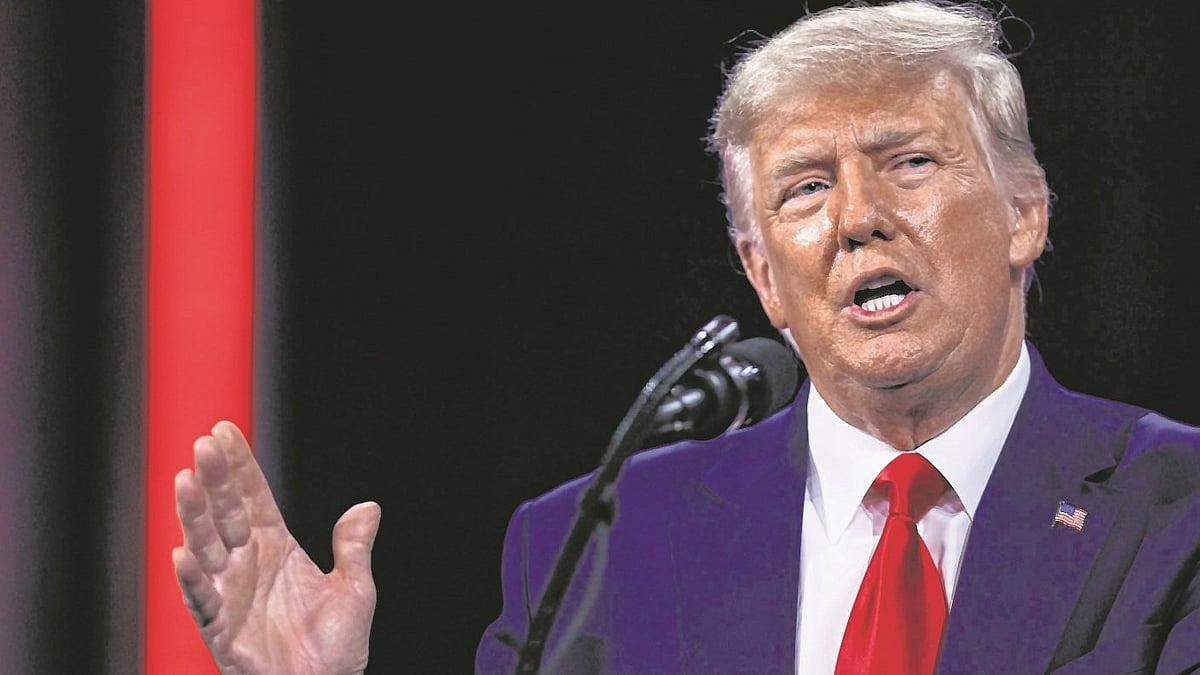
In July, he released a music video portraying the Saudi Crown Prince singing about his fear of the Houthis while aides report militia attacks.
The video ends with the Crown Prince being captured at gunpoint inside his palace. It has received more than 300,000 views.
Such videos demonstrate how the Houthis are using humour, music and entertainment to make political messaging more accessible to social media audiences.
Yemen’s Humanitarian Crisis Fuels Propaganda
The Houthis have also highlighted the devastating consequences of Saudi Arabia’s military intervention in Yemen.
Saudi Arabia launched a bombing campaign in 2015 to support Yemen’s internationally recognised government. The conflict contributed to one of the world’s worst humanitarian crises, with hundreds of thousands dying from violence, hunger and disease.
In September, Saudi Foreign Minister Prince Faisal bin Farhan was confronted by an activist in New York.

Houthi spokesman Ameel Hayyan shared the footage online, accusing Saudi Arabia of committing crimes against Muslims, particularly in Yemen.
The renewed fighting has caused further suffering.
According to the United Nations, approximately 260,000 people have been displaced since Yemen’s civil war reignited in August.
The World Health Organization reported in October that nearly 1,600 people had been killed.
Meanwhile, Houthi attacks on Saudi Arabia’s aviation and energy infrastructure have killed at least 22 civilians.
Iran’s Digital Strategy Inspires Houthis
Experts believe the Houthis are increasingly adopting propaganda techniques used by Iran.
Since the United States and Israel attacked Iran in February, Iranian media networks have produced videos aimed at international audiences.

One example is Explosive Media, an Iranian group known for viral Lego-style animations.
In September, it released a video depicting Houthi victories against Saudi Arabia. The animation shows fighters storming a Saudi military base containing a golden statue of US President Donald Trump.
It ends with a Houthi commander drinking from a mug marked “mocha”, referring to the militia’s capture of Mokha, a Red Sea port historically linked to the coffee trade.
Ayad described some of the Houthi content as “essentially a mimicking of the Iranian approach” to propaganda.
Houthi Messaging Reaches Global Audiences
The Houthis gained international attention in 2023 after attacking commercial ships in the Red Sea in support of Hamas during the Gaza war.
Their messaging has since reached unexpected audiences.
Jake Shields, a retired mixed martial arts champion and right-wing podcaster, has frequently discussed the Epstein files.
The Southern Poverty Law Center has accused Shields of promoting antisemitism, racism and bigotry.
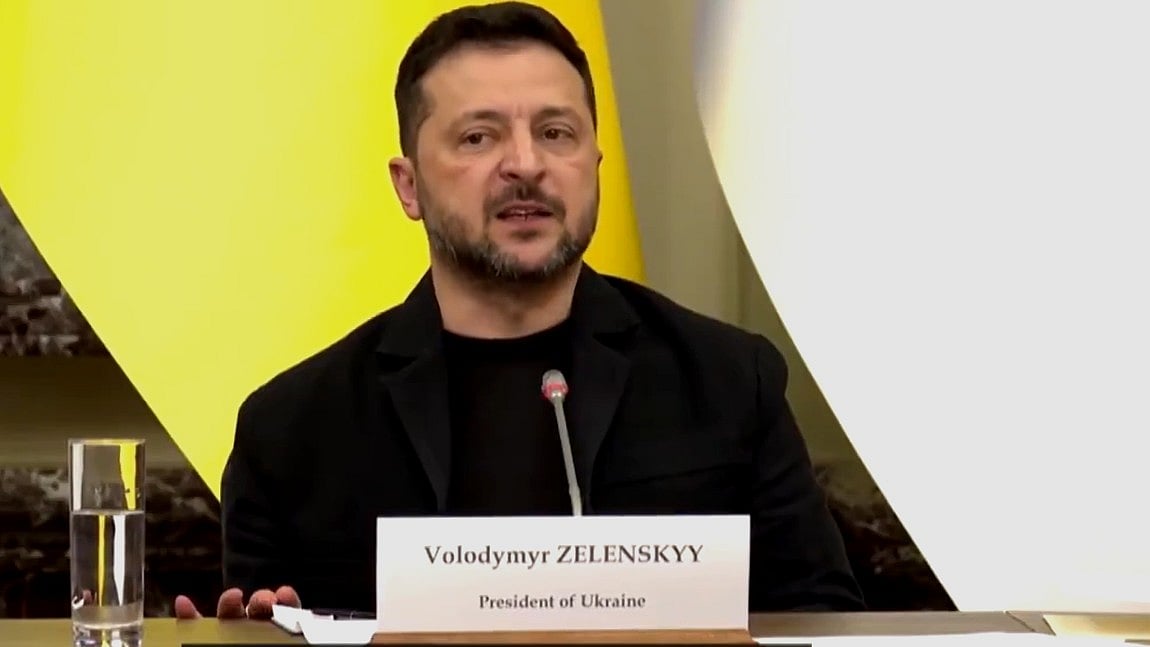
During a recent podcast episode, Shields praised the Houthis’ resilience against Saudi Arabia.
“I’m a big fan,” he said. “I think they’re kind of badass.”
The Saudi-backed Yemeni government also runs propaganda campaigns, but its divided leadership makes coordinated messaging difficult, according to Al-Basha.
The Houthis, meanwhile, have built a more unified communications strategy.
Their use of the Epstein files shows how international controversies can become weapons in regional conflicts. While online popularity does not necessarily translate into political support, the campaign demonstrates how propaganda can shape perceptions far beyond the battlefield.

