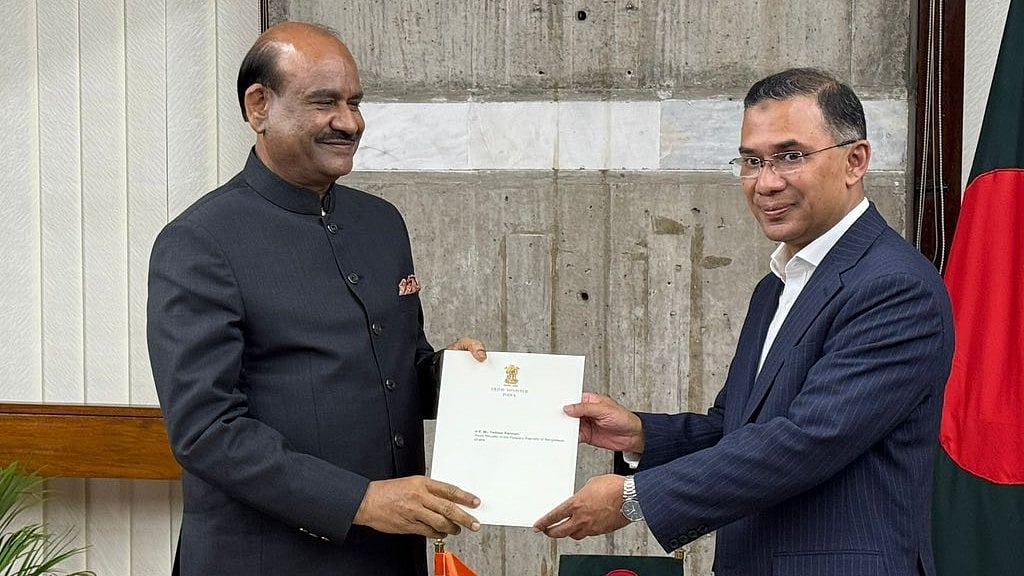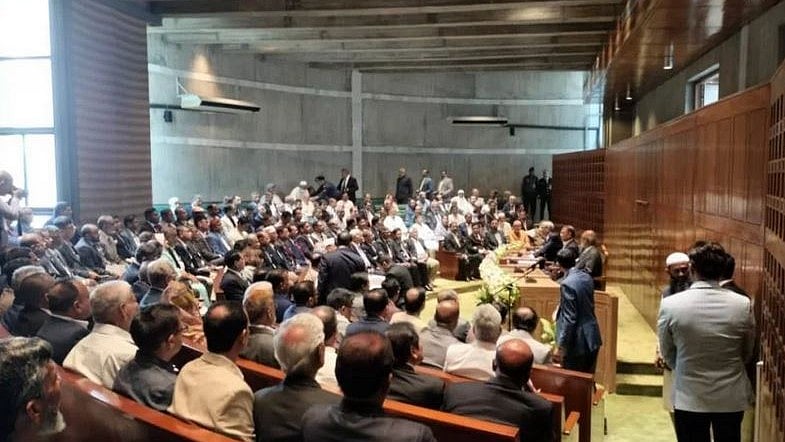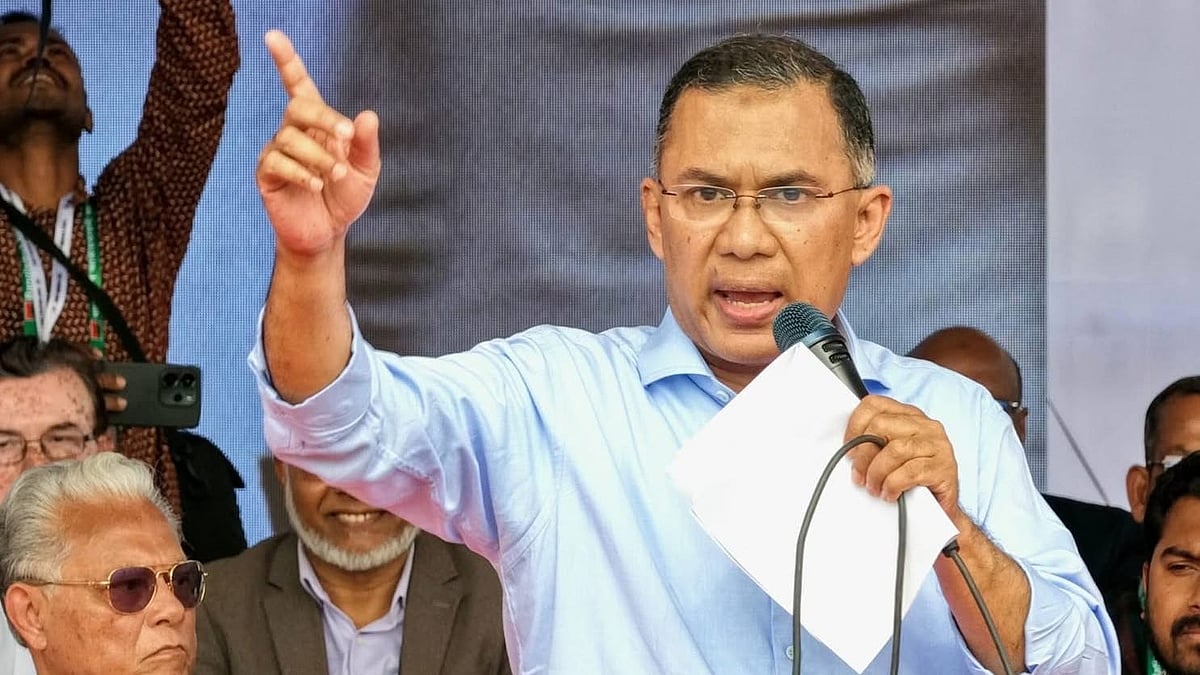
As the new ministers await portfolio distribution after taking oath as ministers, the final list of 49 ministerial nominees on Tuesday sparked intense debate over the demographic makeup of the nation’s highest decision-making body.
While the government has highlighted its inclusion of women and minority leaders, a closer look at the 49 names—comprised of 25 Ministers and 24 State Ministers—reveals a composition that remains overwhelmingly dominated by Muslim men.
A 94% male-dominated cabinet
Despite national and international calls for increased female political empowerment, women remain a small fraction of the new leadership. Out of 49 total nominees, only three are women, meaning that 93.88 per cent of the cabinet seats are held by men.


Afroza Khanam Rita is the lone woman among the 25 full Ministers, representing a mere 4 per cent of the senior cabinet.
At the State Minister level, Shama Obaed Islam and Farzana Sharmin occupy two of the 24 positions, accounting for 8.33 per cent of the junior administration
With women making up nearly half of the voting population, a 6 per cent presence in the cabinet suggests a persistent glass ceiling within the political establishment, where male candidates continue to receive the vast majority of high-level appointments.
Minority presence under 3 per cent
A similar trend is visible regarding religious representation. While the 2026 general election saw several minority candidates contest seats, the 49-member cabinet nominee list features only one prominent Hindu name: Nitai Roy Chowdhury. As one of the 25 full Ministers, Chowdhury represents 4 per cent of the senior cabinet, but when viewed across the entire 49-member body, Hindu representation drops to just 2.04 per cent.
Even with the inclusion of Dipen Dewan, representing ethnic and religious minorities from the Hill Tracts, the total non-Muslim presence in the cabinet remains below 5 per cent. Given that the Hindu community alone constitutes approximately 8 per cent of the national population, the current ratio is significantly skewed in favour of the Muslim majority, leaving minorities with a disproportionately small voice in the executive branch.
Challenge of meaningful inclusion
The overwhelming ratio of Muslim men—holding over 90 per son of all positions—presents a challenge to the government’s narrative of a "new, inclusive Bangladesh." While the presence of figures like Nitai Roy Chowdhury and Shama Obaed Islam provides a degree of visibility, the sheer mathematical dominance of one demographic group has raised concerns about "symbolic representation."
As the new cabinet begins its term, the pressure will be on these few diverse voices to ensure that the interests of women and religious minorities are not sidelined in a male-majority environment.