Lucknow: Over the past 9 years, Yogi government has undertaken comprehensive reforms to strengthen primary health services. To ensure access of healthcare in rural and remote areas of the state, number of Community Health Centres (CHCs) and Primary Health Centres (PHCs) has been significantly increased. These centres have also been equipped with modern equipment, adequate medicines and specialist doctors.
After assuming office in 2017, Chief Minister Yogi Adityanath initiated the establishment and upgradation of hundreds of new health sub-centres, primary health centres and community health centres across the state. While earlier many PHCs had only minimal facilities, they now provide round-the-clock delivery services, pathology tests, X-rays, ultrasounds and availability of essential life-saving medicines. Special priority has been given to maternal and child health services in rural areas, resulting in a significant increase in institutional delivery rates.
Government’s priority is to deliver healthcare services to the last person in the queue in line with the guiding principle of inclusive development. With this objective, the health department’s infrastructure has been strengthened at the grassroots level. Recruitment of doctors and paramedical staff has been accelerated to fill long-vacant posts. The availability of specialist doctors has also increased through contractual and regular appointments.
Digital surveillance system has been strengthened to prevent communicable diseases in the state. Facilities for early diagnosis and treatment at the primary level have been ensured for effective control of diseases such as dengue, malaria, AES and JE. The number of diagnostic laboratories has increased several-fold, enabling early detection and timely treatment of diseases. According to the health department, mortality rates have declined significantly in several districts in recent years.



Through the 'Ayushman Bharat scheme' and the 'Mukhyamantri Jan Arogya Yojana', eligible families are being provided free medical treatment up to 5 lakh rupees. Primary health centres have played a crucial role in extending the benefits of these schemes to rural areas. The process of health card distribution and beneficiary identification has also been made transparent through digital platforms.
Along with expanding healthcare facilities, the state government has also focused on medical education. The establishment of new medical colleges and strengthening of district hospitals has expanded the scope of specialist services. This has improved the referral system after screening patients at the primary level. Ambulance services 102 and 108 have been strengthened in rural areas, ensuring timely treatment in emergencies.
During the COVID-19 pandemic, the strength of the primary healthcare system became clearly evident. Health teams conducted screening, testing and vaccination drives in villages across the state. Uttar Pradesh achieved a leading position in the country in terms of vaccination coverage. During this period, facilities such as oxygen plants, ICU beds and ventilators were expanded, which continue to benefit general healthcare services today. Indicators such as a decline in maternal and infant mortality rates, an increase in institutional deliveries, improvement in immunization coverage and control over communicable diseases confirm this transformation. The government has continuously increased the health budget, giving top priority to primary healthcare.
The introduction of telemedicine services at health centres has enabled patients in remote areas to access specialist consultations. Through the e-Sanjeevani portal, thousands of patients are receiving medical advice from home. This has not only saved time and resources but has also made quality healthcare accessible to the rural population. The commitment of the Yogi government to strengthen the primary health system and deliver healthcare services to every citizen is now visible on the ground. Availability of modern machines, trained staff, improved medicine supply and a robust digital monitoring system have elevated the quality of healthcare services. With increased access to healthcare in rural and backward areas, the general public has received significant relief and the state is steadily moving towards becoming a strong, healthy and developed region.
Quote
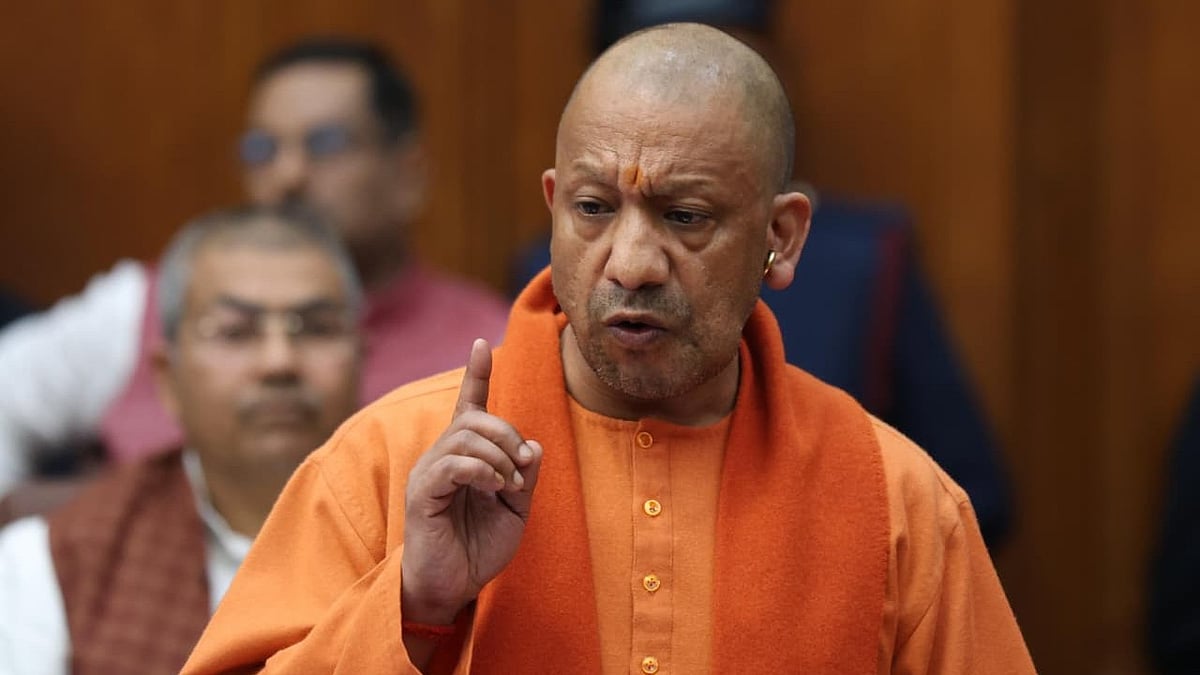
"Changes in the primary healthcare system over the past 9 years are clearly visible at the grassroots level. Equipping CHCs and PHCs with round-the-clock delivery, pathology and X-ray facilities is a major step towards strengthening rural healthcare. Expansion of digital surveillance and the laboratory network has enabled timely identification and control of communicable diseases. Initiatives such as telemedicine and e-Sanjeevani have connected patients in remote areas with specialist services. Decline in maternal and infant mortality rates and improvement in immunization coverage indicate that prioritizing primary healthcare is yielding positive results."