Lucknow: Over the past nine years, the state’s healthcare system has undergone widespread and structural transformation. The Yogi Government has prioritized strengthening health infrastructure, expanding medical education, and ensuring access to quality healthcare services in rural areas. The construction of new hospitals, renovation of existing ones, and an unprecedented increase in the number of medical colleges have completely changed the picture.
Until 2017, there were a total of 36 government medical colleges operating in the state. At present, this number has increased to 81. The Yogi Government is establishing medical colleges in accordance with the One District, One Medical College vision. There has also been a remarkable increase in MBBS seats. In 2017, there were about 4,690 MBBS seats, whereas now the number has risen to 12,700. PG seats have also increased more than twofold, improving the availability of specialist doctors.
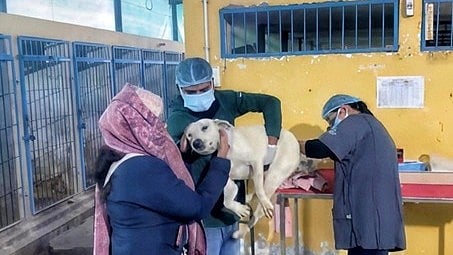
District hospitals in all 75 districts have been modernized. Several hospitals have been equipped with ICUs, NICUs, dialysis units, trauma centres, and modern pathology laboratories. Community Health Centres (CHCs) and Primary Health Centres (PHCs) are being developed as Health and Wellness Centres.
The Yogi Government has made more than 1,500 Health and Wellness Centres functional. These centres provide services such as maternal and child healthcare, immunization, testing, and screening for non-communicable diseases. Through digital health records and telemedicine services, rural areas are now connected with specialist consultations.



Under the concept of Arogya Mandir, healthcare services in the state are being developed comprehensively. This includes the integration of AYUSH methods, yoga, naturopathy, and allopathic services. In several districts, AYUSH hospitals and wellness centres have been constructed. The Yogi Government has also taken steps towards establishing an AYUSH University, giving institutional strength to traditional medical systems.
In 2017, only a few districts had access to advanced laboratories, whereas now all districts are equipped with RT-PCR labs, blood banks, and digital X-ray facilities. The lab capacity developed during the COVID-19 period has been made permanently robust. In the past nine years, more than 200 new pathology and diagnostic units have been established, leading to improvements in both the quantity and quality of testing, while reducing patients’ dependency on private labs.
The Yogi Government has significantly increased the fleet of 108 and 102 ambulance services. Currently, more than 4,000 ambulances are operational across the state, including advanced life support ambulances. Special ambulance services have also been provided for pregnant women and new-borns.
Budget allocations in the health sector have consistently increased. In the financial year 2026-27, more than Rs 55,000 crore has been allocated for the Medical Education, AYUSH, and Health Departments. Out of this, Rs 37,956 crore is for Health and Family Welfare, Rs 14,997 crore for Medical Education, and Rs 2,867 crore for the AYUSH Department. A large portion of this will be spent on infrastructure development, procurement of medical equipment, recruitment of human resources, and construction of medical colleges.
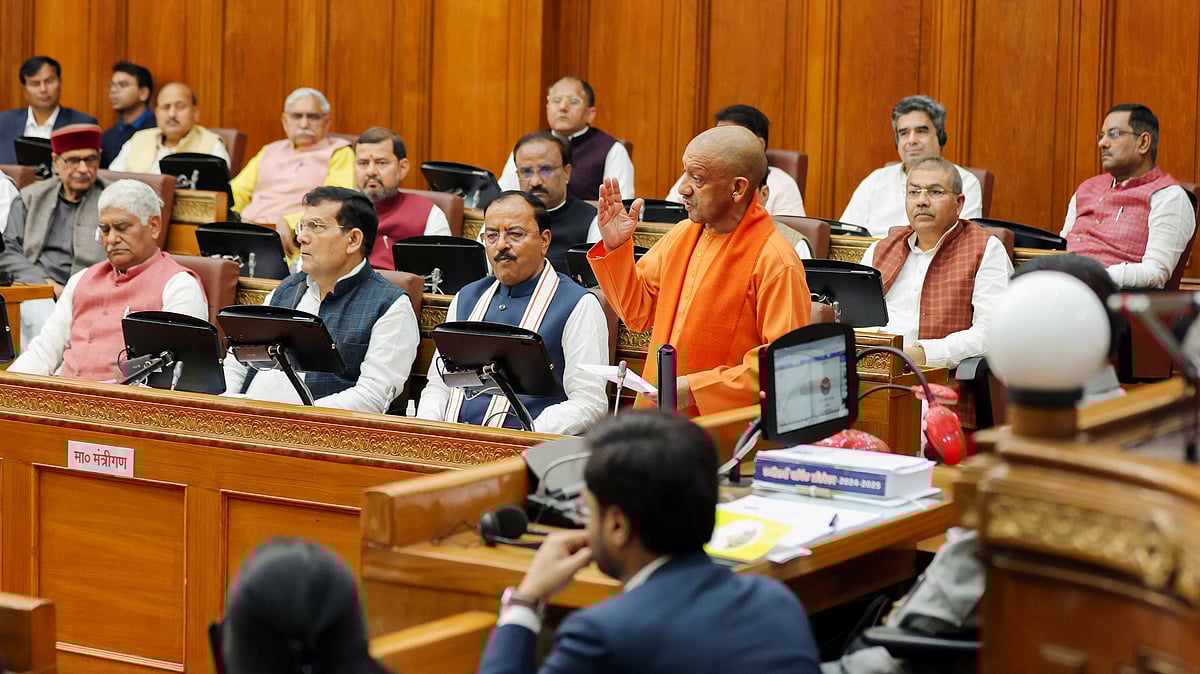
Chief Minister Yogi Adityanath has described the health sector as a key pillar of “Service and Good Governance.” He has regularly reviewed the construction progress of medical colleges and directed that work be completed within stipulated timelines. The increase in oxygen plants, bed capacity, and ICU facilities during the COVID-19 pandemic has been made permanently stronger. The Chief Minister’s goal is to make the state self-reliant in the fields of medical education and healthcare so that patients do not have to depend on other states for treatment.
The structural changes in the state’s healthcare system over the past nine years are not limited to numerical growth alone. They are effective in terms of both quality and accessibility. The increase in medical colleges and MBBS seats will strengthen the availability of specialist doctors in the coming years. The modernization of district hospitals, establishment of Health and Wellness Centres, and expansion of digital health services have played a key role in bridging the rural-urban healthcare gap. The expansion of diagnostic facilities and the ambulance network has made timely treatment possible. The continuously increasing budget provisions clearly indicate that the state government is developing the health sector as a model of long-term investment and self-reliance.