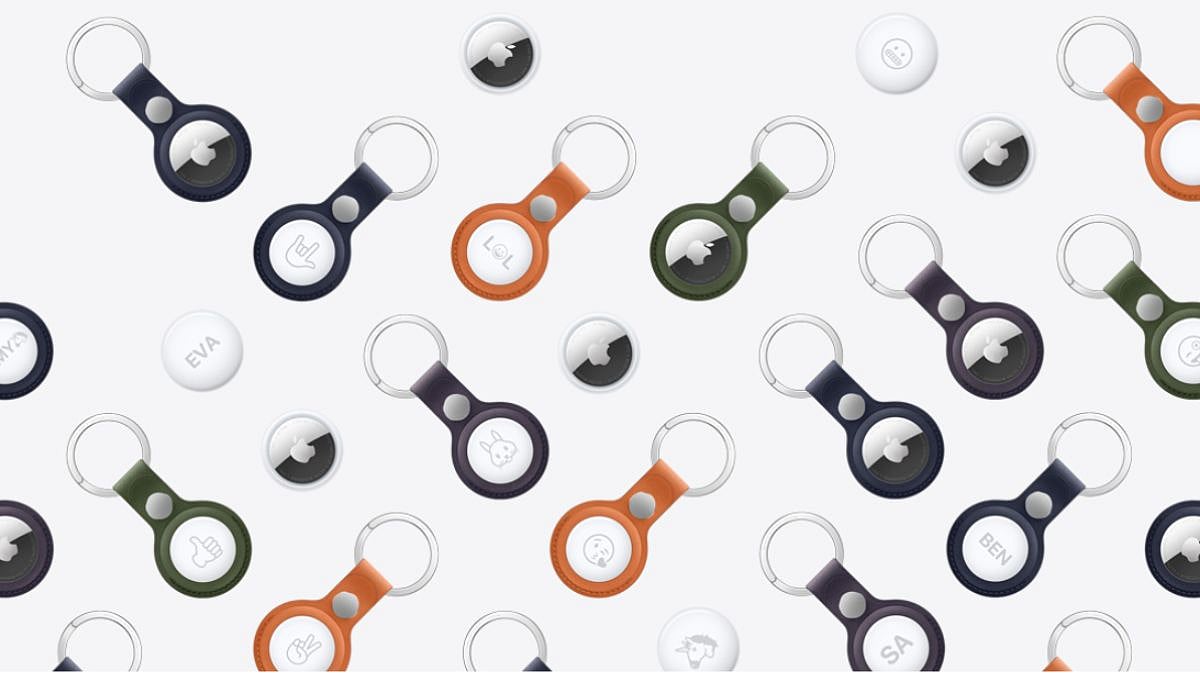
Apple, known for its fanfare launches, quitely dropped the AirTags 2 across global markets, including India. This refreshed device builds on the original model from 2021, aiming to make locating lost belongings a bit less frustrating in everyday life. While it retains the familiar disc-shaped design, Apple has focused on internal tweaks to enhance performance.
Here are five key points you need to know about the new AirTags 2, before you go ahead and buy one.
1: Apple Airtags: New vs Old - What's Different?
What differs between the previous generation and the new ones? The core upgrades centre on tracking precision and audibility. The second-generation AirTag features a new Ultra Wideband chip that extends Precision Finding range by up to 50 percent, allowing users to locate items from farther away with haptic, visual, and audio cues. Its speaker is 50 percent louder than before, with a new chime that can be heard from twice the distance, and it includes an upgraded Bluetooth chip for broader overall range. Precision Finding now works with newer Apple Watches, such as Series 9 or later, which was not possible with the first model. The device is slightly heavier at 11.8 grams and has a revised reset process, but it remains compatible with existing accessories and uses the same replaceable CR2032 battery.
2. Apple AirTags: What can they be used for?
These trackers suit situations where misplacing items could cause inconvenience, such as attaching one to keys, a wallet, or a backpack for quick recovery via the Find My app. They prove useful for travellers, with the new Share Item Location feature letting users temporarily share an item's position with over 50 partnered airlines to track delayed luggage – the shared data expires after seven days or upon retrieval. While not officially designed for pets or people, some users apply them to collars or bags in those contexts, relying on the crowdsourced Find My network for long-distance alerts.
3. Apple AirTags: Privacy and Security
Apple emphasises end-to-end encryption and no storage of location history on the device itself, ensuring only the owner accesses data through the Find My network. Built-in safeguards against unwanted tracking include alerts for unknown AirTags nearby and frequent changes to Bluetooth identifiers, addressing past concerns about misuse. However, these features work best within Apple's walled garden, so users should weigh potential privacy risks if sharing locations or using in mixed-device households.
4. Apple AirTags pricing and availability
The new AirTag is priced at Rs. 3,790 for a single unit or Rs. 12,900 for a pack of four. Customers can order it immediately through Apple's website or the Apple Store app, with in-store availability at Apple retail locations and authorised resellers starting later this week. It requires an iPhone running iOS 26 or later for full functionality.
The AirTag FineWoven Key Ring can be bought as an additional accessory for Rs. 3,900. The key rings are available in fox orange, midnight purple, navy, moss, and black.
5. Apple AirTags: What are the alternatives?
In the Indian market, where pricing and local availability matter, several options exist as more affordable rivals to the AirTag, especially for those not locked into Apple's ecosystem or seeking cross-platform compatibility. The Reliance JioTag stands out as a budget-friendly choice at around Rs. 1,499, using Bluetooth for item tracking and appealing to users in urban areas with good network coverage.
The Samsung Galaxy SmartTag 2, priced at Rs 2,799, works well with Samsung phones via the SmartThings Find app, offering UWB for precise location and long battery life up to 700 days in power-saving mode, making it popular among Android users.
Tile trackers, such as the Tile Mate, provide compatibility with both iOS and Android through their own network, though availability can vary on platforms like Amazon or Flipkart. For even lower-cost options, the Amazon Basics Aero Tag is also a good option, priced at Rs. 699 only.

