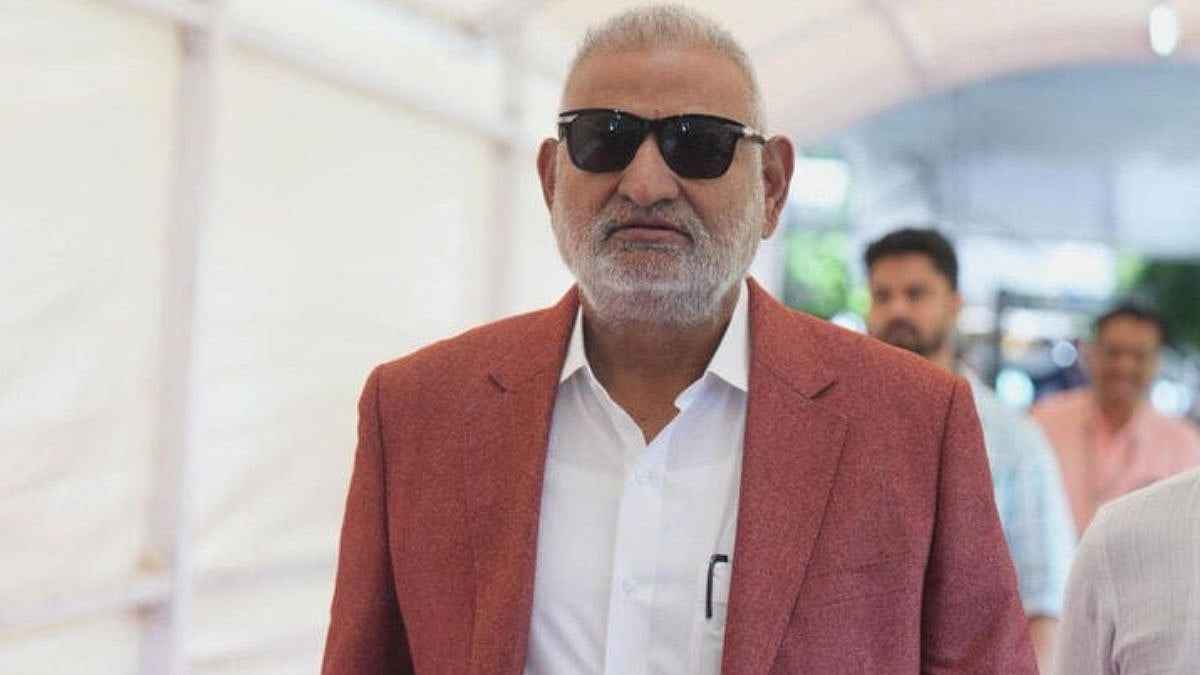
Nashik: Manikrao Kokate, who displayed leadership qualities since his student days and rose directly to a ministerial position, has finally been forced to step down from the Cabinet. Following the issuance of an arrest warrant against him in the alleged scam involving four residential flats obtained under the Chief Minister’s Discretionary Quota, Kokate had no option but to tender his resignation.
With election activity gaining momentum in the district, this unexpected development has come as a major setback for the Nationalist Congress Party (NCP). Kokate will now remain a minister without portfolio. Against this backdrop, how the party prepares for the upcoming municipal corporation elections and the subsequent Zilla Parishad polls will be crucial.
The NCP holds significant influence in rural politics in Nashik district, with seven MLAs representing the party. After being elected for the fifth consecutive term from Sinnar, Kokate was inducted directly into the Cabinet, bypassing senior leader Chhagan Bhujbal at the time. Although Bhujbal was later accommodated as a minister, NCP president Ajit Pawar consistently gave priority to Kokate as an aggressive Maratha leader in the district.
However, Kokate first lost his Agriculture Ministry following controversial statements and the issue of playing rummy inside the legislature. Now, the housing scam has cost him the Sports Ministry as well. This dual setback is being viewed as a severe blow to the party.
At present, the party’s second minister, Chhagan Bhujbal, is recovering from major surgery and remains inactive. The third minister, Narhari Zirwal, has limited influence beyond Dindori. As a result, the NCP is facing a clear leadership vacuum at a time when it needs strong leadership to counter the BJP, which continues to play the role of the “senior partner” within the Mahayuti alliance.
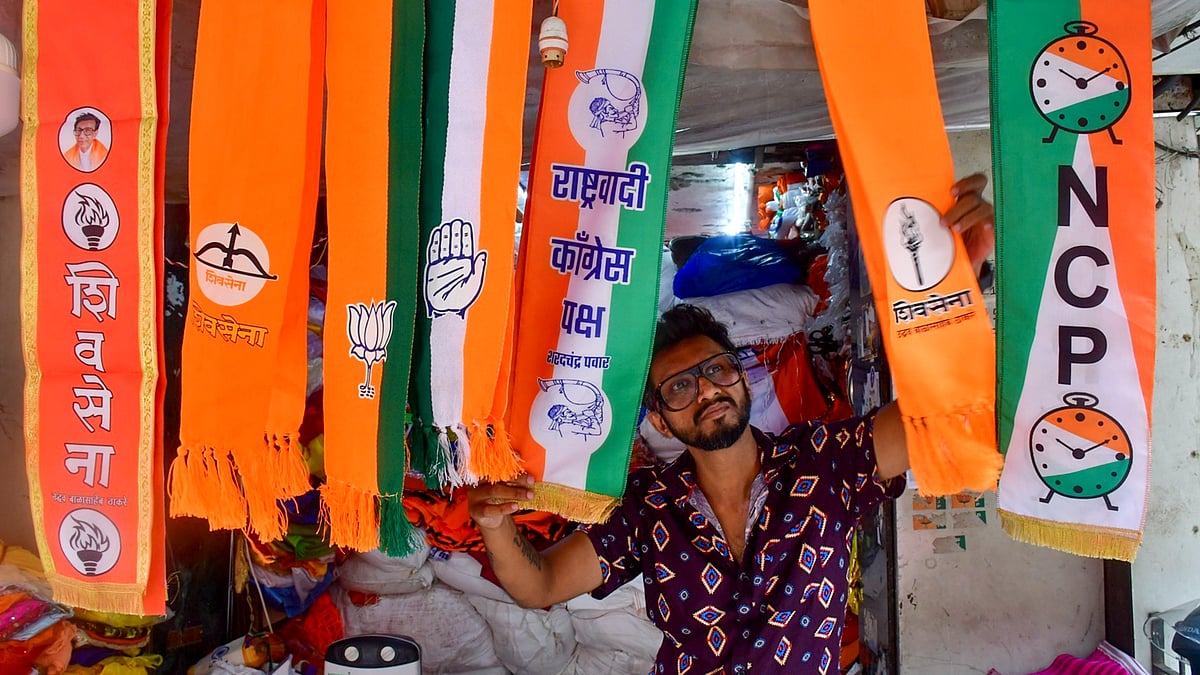
Internal Discord a Growing Concern
Although the NCP appears strong on the surface in Nashik district, questions over internal unity have persisted for years. The lack of cordial relations between Bhujbal and Kokate is well known. Neither leader has accepted the other’s leadership, and with both having completed five terms as MLAs, the issue of seniority has further complicated matters.
Under these circumstances, it seems unlikely that any of the remaining MLAs will emerge as a decisive organisational leader in the near future. Kokate’s demotion, Bhujbal’s health issues, and deep-rooted factionalism within the party are all factors that are expected to significantly add to Ajit Pawar’s concerns in the days ahead.

