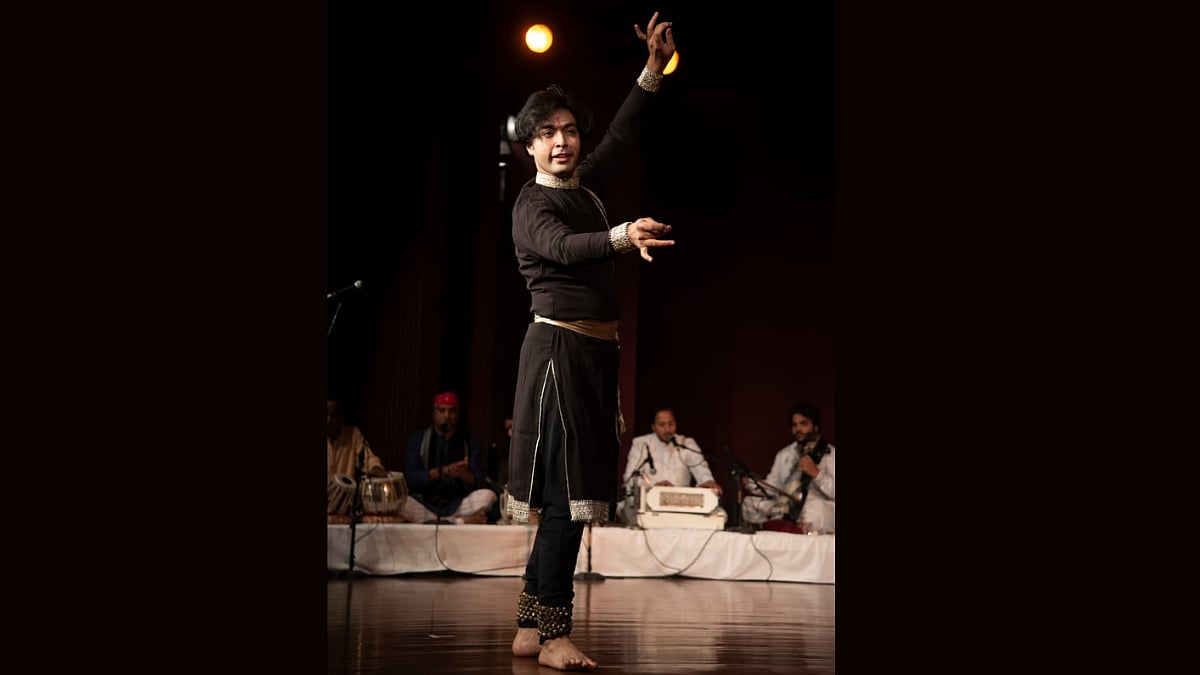
On the occasion of World Kathak Day, this interview highlights the perspective of an artist deeply rooted in the Jaipur Gharana tradition. Trained under the legendary Pandit Rajendra Kumar Gangani ji, the dancer speaks about growing up within a revered Kathak lineage, the discipline of riyaaz, and the responsibility of carrying a classical form forward in a rapidly changing world. Reflecting on international performances, teaching, and the evolving global presence of Kathak, the conversation offers thoughtful insights into tradition, innovation, and the future of the art.
Excerpts from the interview:
Growing up in the illustrious Gangani family, how did your early training under Pandit Rajendra Kumar Gangani ji shape your understanding of Kathak and the Jaipur Gharana tradition?
Growing up in the Gangani family meant that Kathak was not merely an art form — it was a way of life. Training under my Guru and father, Pandit Rajendra Kumar Gangani ji, instilled in me a deep sense of discipline, humility, and respect for parampara.
From an early age, I was taught that Jaipur Gharana Kathak is rooted in clarity of rhythm, strength of footwork, and purity of form. Guruji emphasized not just what we perform, but why we perform —understanding the philosophy, the grammar of taal, and the responsibility that comes with carrying a lineage. This grounding has shaped my artistic identity profoundly.
The Jaipur Gharana is known for its powerful footwork and rhythmic complexity. How do you balance preserving these classical elements while keeping your performances relevant for contemporary audiences?
For me, relevance comes from honesty to the form. When the classical elements — layakari, tatkar, complex tihais — are presented with conviction, clarity and deep understanding, they naturally resonate, even with contemporary audiences. I believe innovation should emerge organically from tradition, not replace it.
By contextualising compositions, choosing thoughtful themes, and maintaining strong musicality, I aim to make Jaipur Gharana Kathak accessible without diluting its core strength.
You have performed across diverse cultures—from Europe and Australia to East Asia. How do international audiences respond to Kathak, and has that response influenced the way you present the form on stage?
International audiences respond with immense curiosity, admiration and appreciation, especially to the rhythmic precision and expressive storytelling of Kathak. Many may not understand the language or taal initially, but they connect deeply with the energy and emotion. While the form itself remains unchanged, these experiences have encouraged me to communicate more through brief explanations, musical cues, and structured presentations — so the essence of Kathak reaches across cultural boundaries.
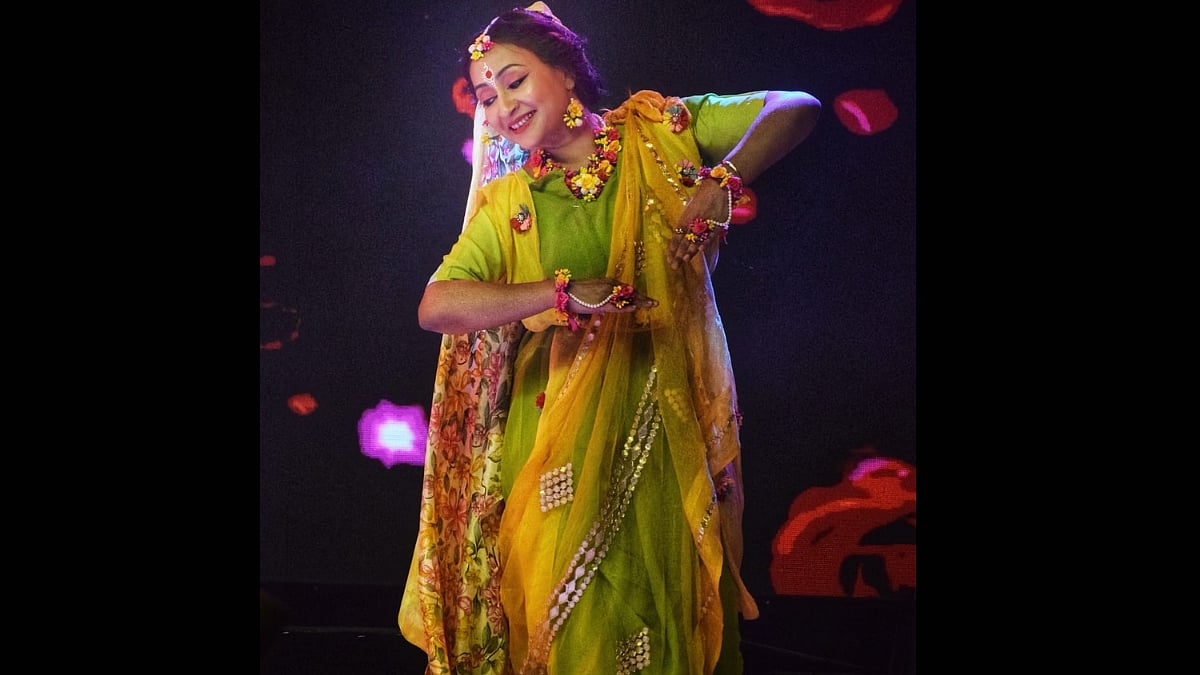
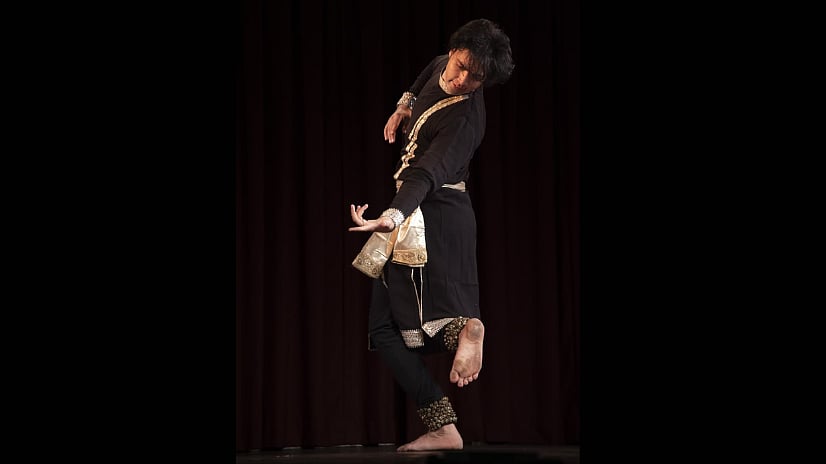
World Kathak Day celebrates both heritage and the future of the art form. What does this day personally signify to you, and how do you hope Kathak will be remembered and practiced by future generations?
Everyday is World Kathak Day for me since I practice/riyaaz everyday, I live kathak everyday, hence there is no one day for me to celebrate this art form. However, World Kathak Day is a moment of gratitude and responsibility for me. It reminds me of the generations of gurus who preserved this art through dedication and sacrifice. I hope Kathak continues to be practiced with sincerity—where tradition is respected, research is valued, and innovation is rooted in knowledge. May future generations remember Kathak not as a static form, but as a living, breathing tradition.
As both a dancer and a musician, how does your understanding of rhythm and music deepen your approach to Kathak, particularly in abhinaya and nritta?
Kathak is inseparable from rhythm. My training in music allows me to internalise taal rather than merely follow it. In nritta, it sharpens precision and improvisation; in abhinaya, it helps me breathe with the melody and understand pauses, silences, and nuances. Music gives depth to movement and movement, in turn, gives visual form to music.
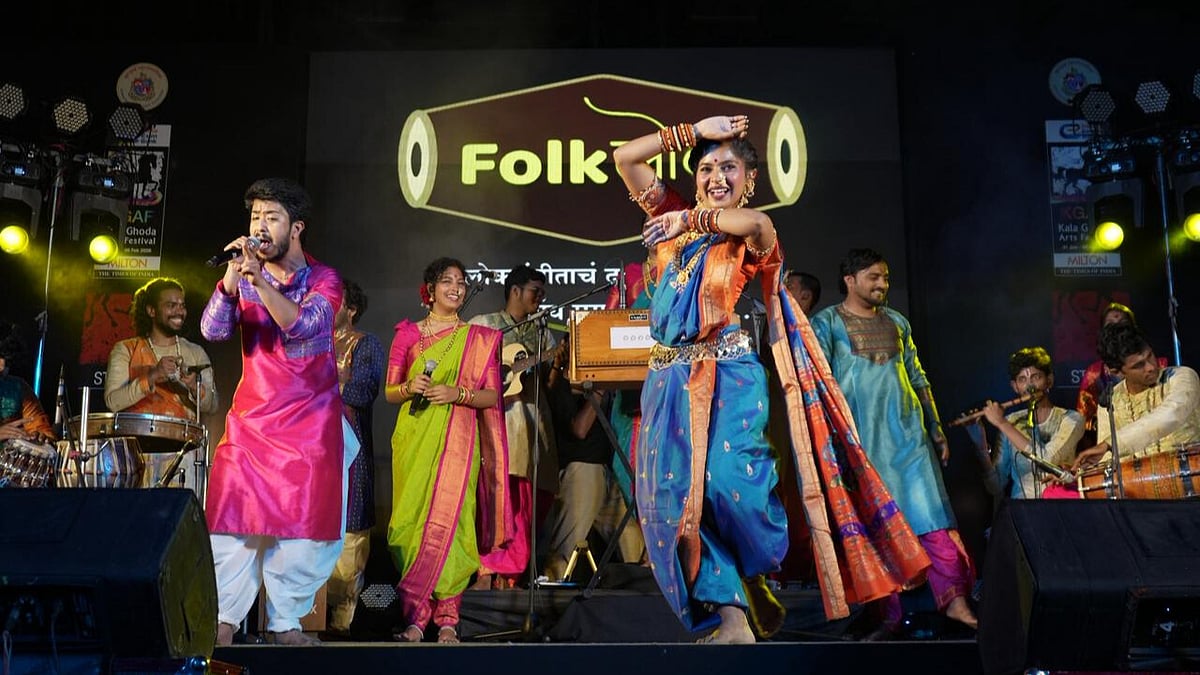
Through your international lecture-demonstrations and workshops, what are the most common questions or misconceptions you encounter about Kathak outside India?
In my experience, international audiences are extremely open, sensitive, and deeply appreciative of Kathak. When the art is presented with honesty, purity, and a sincere understanding of its tradition, it speaks for itself—beyond language or cultural boundaries. Rather than encountering misconceptions, I have often seen a sense of curiosity and genuine receptivity. Once the rhythm, movement, and emotional depth of Kathak unfold on stage, audiences intuitively connect with it. The precision of footwork, the dialogue with music, and the expressive storytelling are immediately felt, even by those seeing the form for the first time.
In an era of fusion and experimentation, what are the non-negotiable elements of Kathak that you believe must always be preserved?
The non-negotiables are taal, grammar of movement, gharana-based repertoire, and guru-shishya parampara. Fusion should never come at the cost of losing identity. Without a strong classical foundation, experimentation becomes superficial. Authenticity must always remain intact.
How do you see Kathak evolving on the global stage over the next decade, and what role should artists of your generation play in that journey?
Kathak will continue to gain global visibility, especially through collaborations, education, and digital platforms. Artists of my generation must act as bridges—deeply rooted in tradition while being articulate ambassadors of the form. Our role is to present Kathak with integrity, ensuring it is understood, respected, and practiced correctly worldwide. I also believe that in future such traditional arts will be the only way to stimulate human brains since AI taking over every other industry. AI may replicate the patters of art but can never build a philosophy around it.
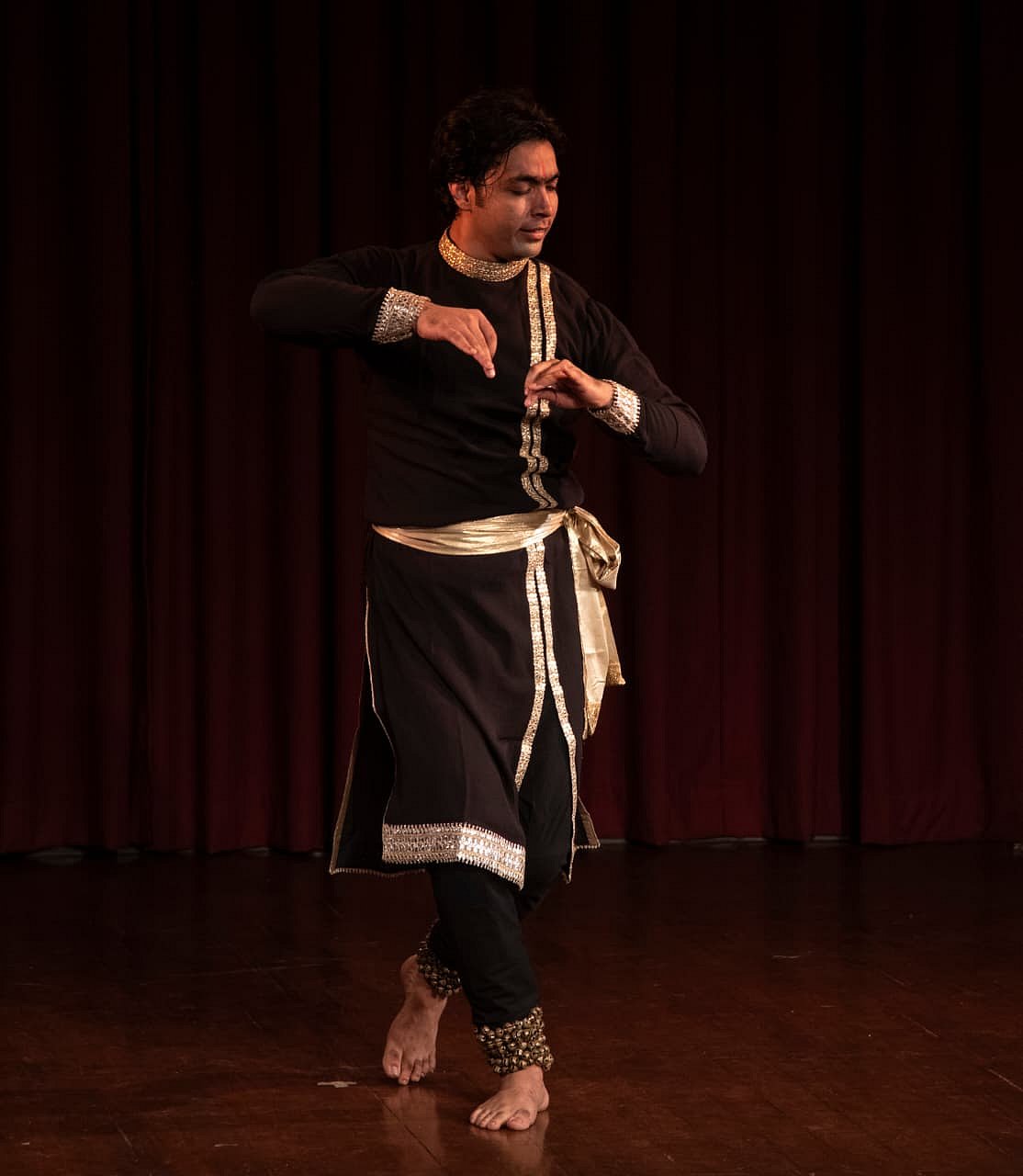
As a guru and mentor, what qualities do you value most in your students beyond technical excellence?
Beyond technique, I value sincerity, discipline, patience, and respect for the art and the guru. A willingness to listen, unlearn, and grow is essential. Kathak is a lifelong journey, and only those with humility and dedication truly evolve. I have learned this profoundly from great artists such as Ustad Zakir Hussain, and from my own father and guru, Pandit Rajendra Gangani ji—that no matter how far one progresses, one must spend one’s entire life remaining a student. It is this attitude that keeps the art alive and the artist truthful.
On World Kathak Day, what message would you like to share with young dancers who aspire to carry this art form forward while finding their own voice?
My message to young dancers is: first become a devoted student of the tradition before seeking individuality. Your voice will naturally emerge when your foundation is strong. Respect your gurus, trust the process, and remember that Kathak is not just about performance—it is about sadhana. Carry it forward with pride, responsibility, and love.

