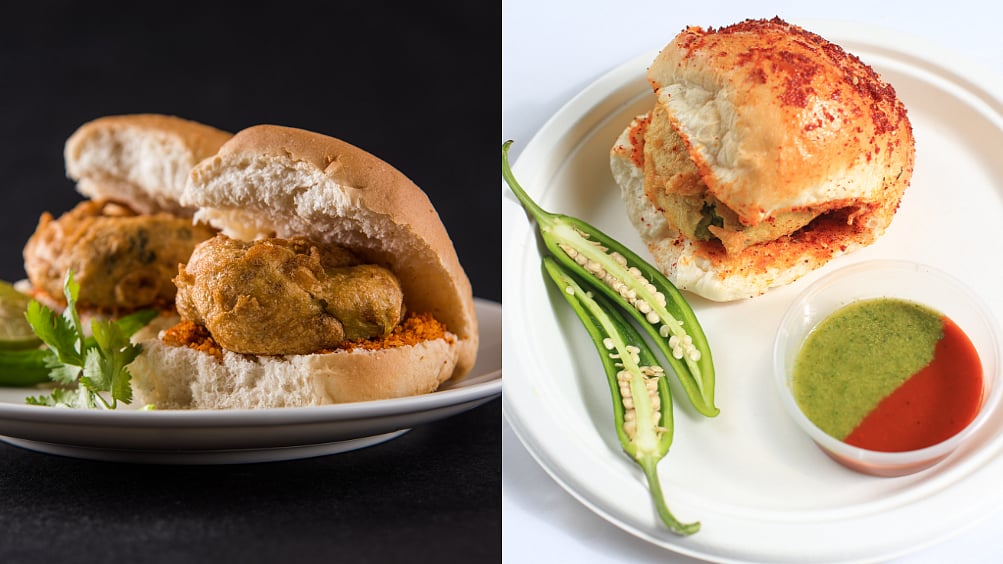
If Mumbai had to be explained in a single bite, it would probably be a vada pav. Messy, layered, global in origin and fiercely local in spirit, the humble snack is more than street food. It is history wrapped in paper, eaten standing under a shop awning while local trains thunder past.
Speaking exclusively to FPJ after an evening panel discussion on food and culinary history, anthropologist Kurush F Dalal unpacked why Mumbai’s most iconic snack is, ironically, not entirely Mumbai in origin.
“Vada pav is actually Portuguese in many ways,” Dalal said, almost playfully dismantling the idea of culinary purity.
The pav itself comes from the Portuguese word for bread. But it does not stop there. Potatoes, chillies and even peanuts, key elements of the snack, arrived in India through Portuguese trade routes centuries ago.
The fiery red chilli peanut thecha, the green chillies fried alongside the vada, the soft bread holding it all together, each element carries a story of migration and exchange. Mumbai, a port city shaped by waves of traders, workers and settlers, simply did what it has always done best, adapt, simplify and make something its own.
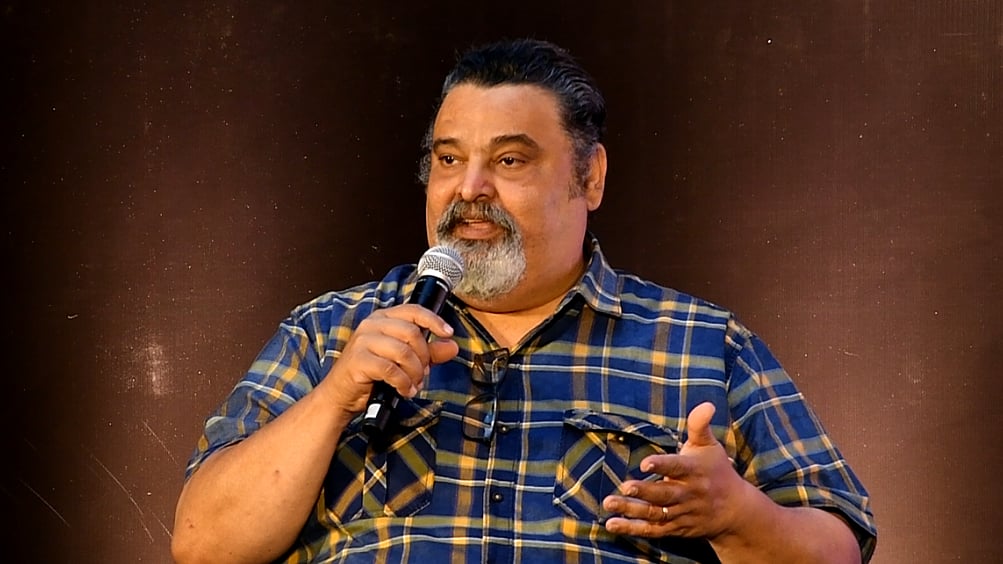
Kurush F Dalal |
If history built the snack, the streets perfected it.
Dalal’s personal favourites reflect Mumbai’s geography and nostalgia. Aram near CST remains a classic for him, followed by the popular CTO Vada Pav.
Now living in Kharghar, he also swears by DJ Vada Pav, proof that Mumbai’s food map is constantly expanding alongside its suburbs.
Yet, Dalal’s larger point extends beyond a single snack. Food, he explained, is one of the oldest living links to civilisation.
Take malpua, for instance, possibly one of the oldest Indian foods still eaten today. Variations of fried cakes dipped in honey are mentioned in the Rig Veda. Similarly, kheer in different forms appears across South Asia, from sevai based versions in Muslim communities to Sri Lanka’s kiribath, or milk rice.
The message is simple. Food travels. Food adapts. Food survives.
Dalal’s own food memories reinforce this idea. One of his most cherished food travel experiences came from an unplanned stop in Chitradurga, where a small, Kannada only eatery served an unforgettable non vegetarian meal of meatballs and green curry with rice and jolada roti. What stayed with him most was not just the food, but the honesty of a sign that simply said, “Only non veg.”
In a country where food often becomes a marker of identity and division, Dalal’s reflections feel quietly grounding.
Because if Mumbai teaches anything, it is this, the city is built on arrivals. And sometimes, those arrivals end up becoming the most local thing of all.
Even if it is just a vada pav eaten on a busy street corner.

