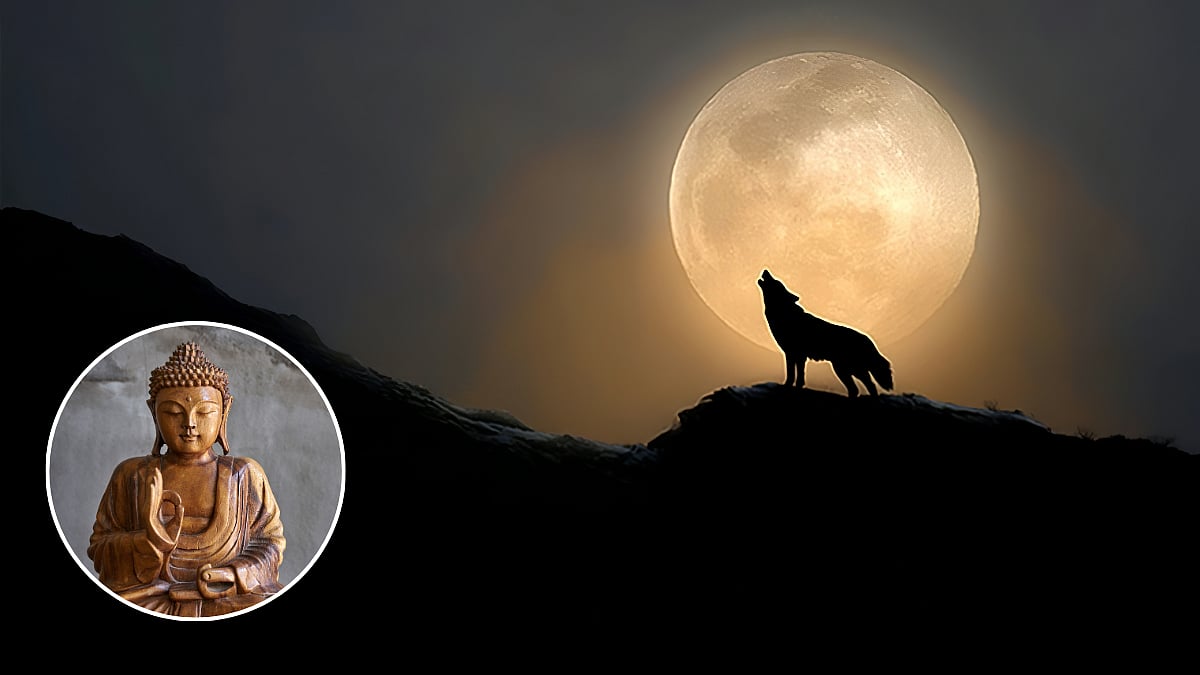
The Mahayana New Year in 2026 will be observed on Saturday, January 3, coinciding with the first full moon of the year, making the day spiritually and astronomically significant for followers across East Asia, including China, Japan, Korea, Taiwan, and other regions influenced by Mahayana Buddhism.
The occasion marks a time of spiritual reflection and setting fresh intentions. The Mahayana New Year follows the lunar calendar and begins on the first full moon of January. For devotees, the day symbolises a new beginning rooted in ethical living, mindfulness, compassion, and generosity.
Practices Being Followed:
Traditionally, Mahayana Buddhists observe the New Year through meditation, chanting, temple visits, and making offerings. Acts of kindness and generosity, such as donating food, helping those in need, and practicing compassion in daily life, form an important part of the celebrations. In many communities, observances continue for several days, allowing devotees time for introspection and spiritual growth.
First Full Moon of the New Year 2026:
Adding to the significance, January 3, 2026, also marks the first Full Moon of the year, which reaches peak illumination at 10:03 GMT (5:03 AM EST). This Full Moon is also the first Supermoon of 2026, appearing about 6% larger and 13% brighter than an average Full Moon due to its proximity to Earth.
Popularly known as the Wolf Moon, the name comes from Northern Hemisphere folklore associated with wolves howling during long winter nights. According to NASA, the Moon will be approximately 362,641 kilometres away during this phase.
When will the Wolf Moon be visible in India?
In India, skywatchers can witness the Full Moon at moonrise on January 3, shortly after sunset, between 5:45 pm and 6:00 pm IST, offering a stunning visual spectacle.
The rare alignment of the Mahayana New Year and the Wolf Moon makes January 3, 2026, a powerful day blending spiritual reflection with a remarkable celestial event.
