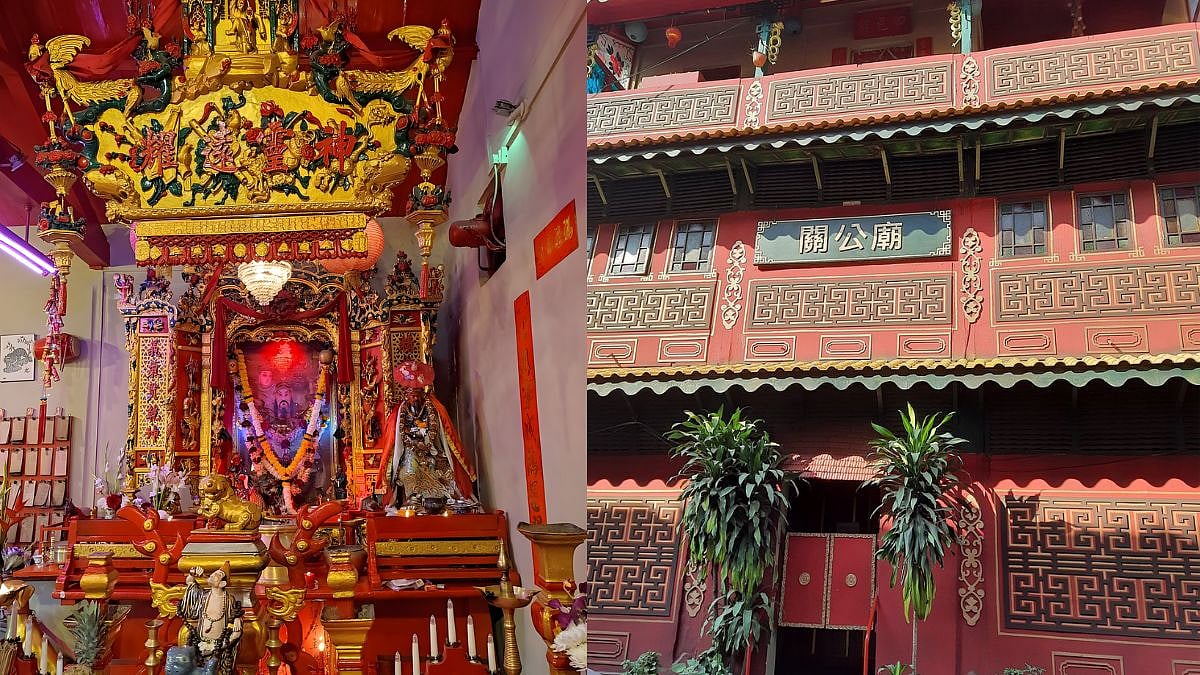
Mumbai: As the Chinese Year 2026 approaches in February, take the opportunity to explore the hidden Kwanle at Wadi Bunder, Mazgaon. The Chinese New Year, also known as the Spring Festival, marks the beginning of a new year on the lunisolar Chinese calendar. On this auspicious occasion, visit Mumbai's only 105-year-old Chinese temple. Here’s everything you need to know about this temple, which is believed to have the power to predict the future.
About Kwan Kung Temple
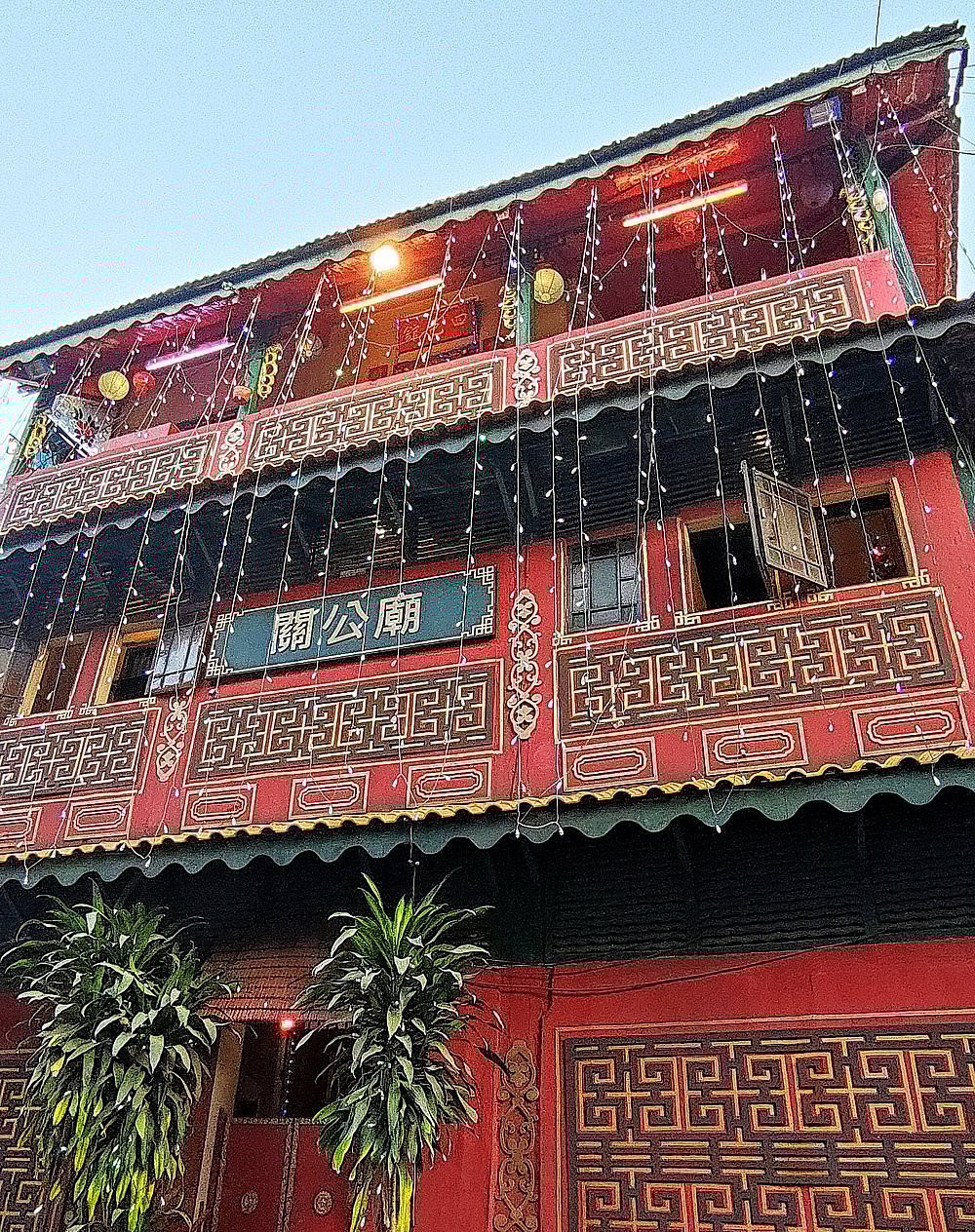
Kwan Kung Temple is a two-storey temple house which was built over a century ago in Mazgaon Dockyard, Mumbai. The city's only Chinese temple serves as a cultural hub for the dwindling Chinese community. The temple is dedicated to the God of War, Justice, and Wrath, Kuan Kung, and the Goddess of Mercy, Guan Yin. The red-coloured temple has a decorative style with lanterns and murals of deities. It offers tranquility and a unique experience for visitors seeking blessings and prosperity. The temple is a must-visit site especially during Chinese New Year and the Moon Festival, but offers a unique vibe year-round.
Kwan Kung Temple | TripAdvisor
Kwan Kung Temple: A spiritual place that predicts the future
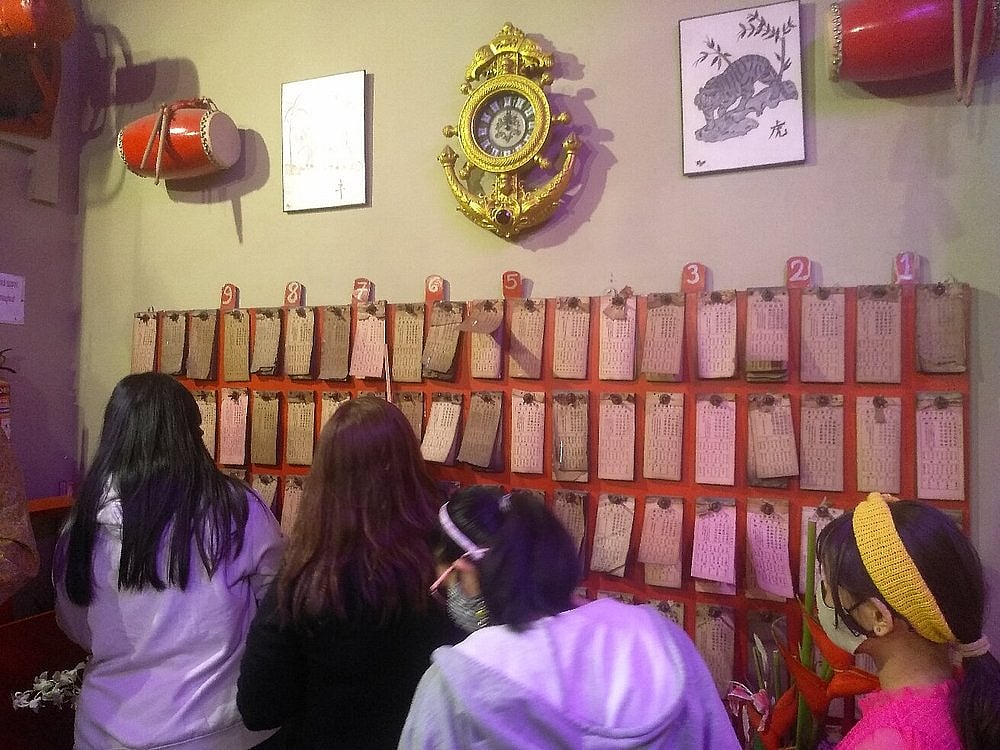
This ancient Chinese temple is adorned with wind chimes, red paper lanterns, and a red flag. The red colour is believed to symbolise happiness, luck, and prosperity in Chinese culture. The temple's interior also features scriptures on the walls, written in Chinese calligraphy and Xingshu. The temple also practices a common Chinese ritual to seek divine wisdom or luck, in which spiritual seekers and visitors can draw cards or use a stick (Kau Chim) to receive guidance and insights into their future.
Kwan Kung Temple | TripAdvisor

How was the Chinese temple formed?
Back in the early 1900s, Mumbai was one of those cities that attracted crowds from all over the world, and Mazagaon was home to Mumbai's thriving See Yup Koon community. This community was originally from Guangzhou who migrated to Mazagaon to work in the East India Company, which was settled in Mumbai. However, when the India-Sino War broke out, the city's residents who had migrated from China returned to their country, while some families decided to stay, which led to the formation of Chinatown, situated on Dockyard Road. This temple was built in 1929 by the See Yup Koon community, a thriving Chinese community.

