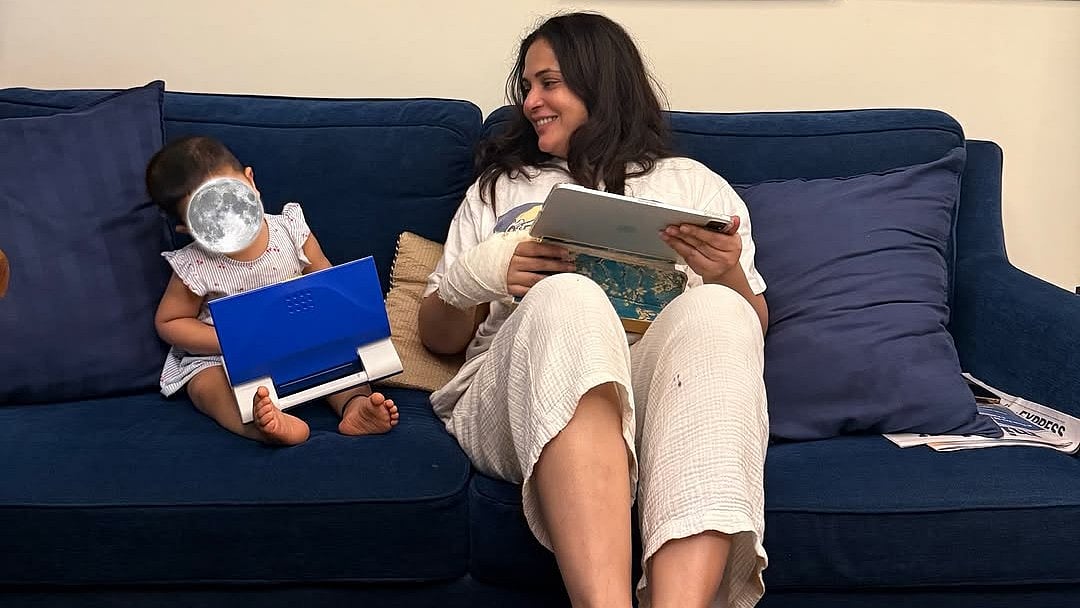
Bollywood actor Richa Chadha recently offered an unfiltered glimpse into life after motherhood, shedding light on the emotional, physical, and professional challenges she faced after welcoming her daughter with husband Ali Fazal. Her candid Instagram note has sparked renewed conversations around how working mothers, especially in the Indian film industry, are treated after childbirth.
Welcoming Zuneyra Ida Fazal
Richa Chadha and Ali Fazal became parents to a baby girl, Zuneyra Ida Fazal, on July 16, 2024. While the couple was overjoyed, Richa has been clear that motherhood is not a constant high. Like many new mothers, she experienced a whirlwind of emotions, happiness alongside anxiety, exhaustion, and moments of deep vulnerability.
Motherhood, she implied, isn’t a single transformative moment but an ongoing process that tests both the body and mind.
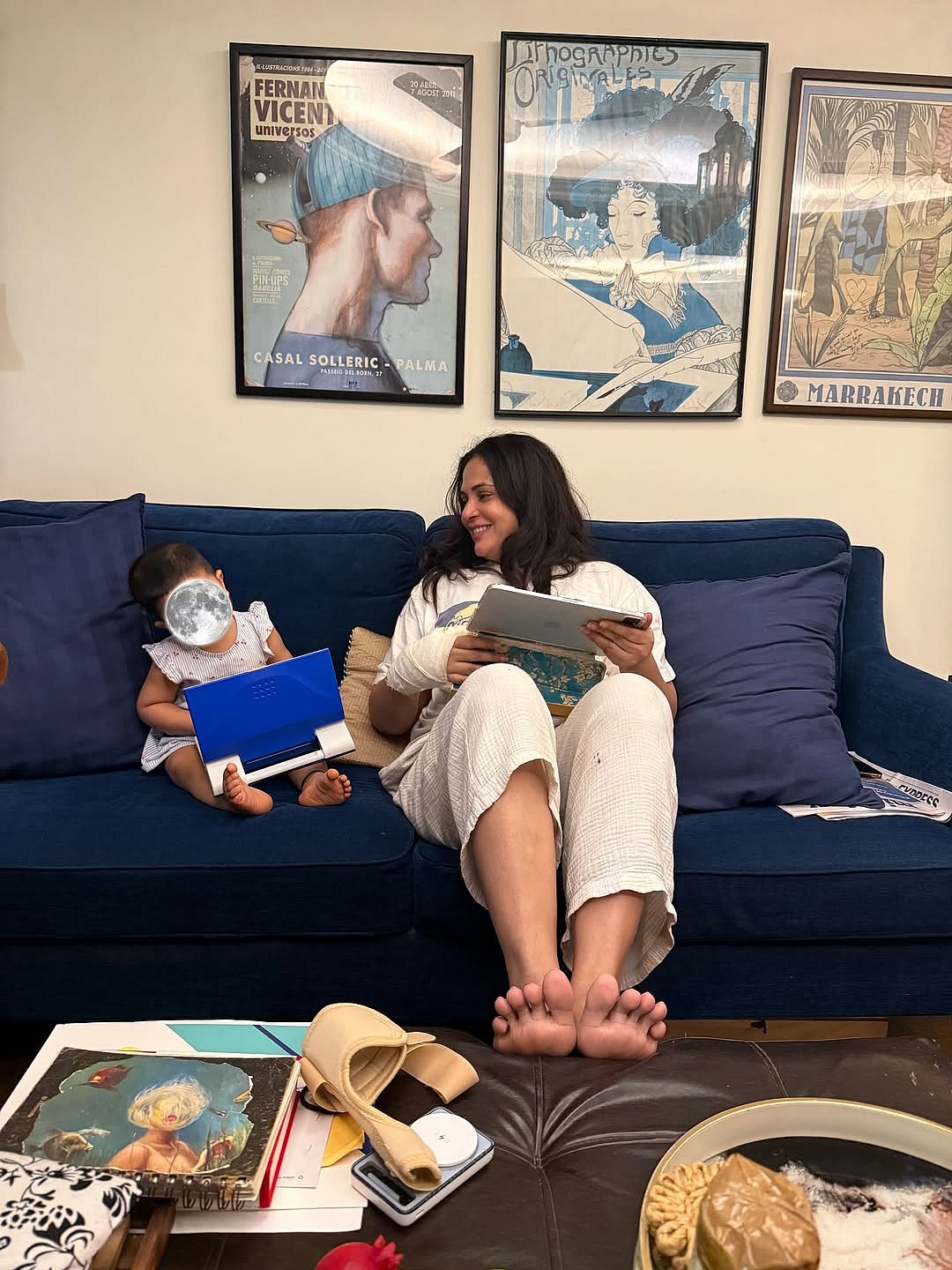
Returning to work took time, and courage
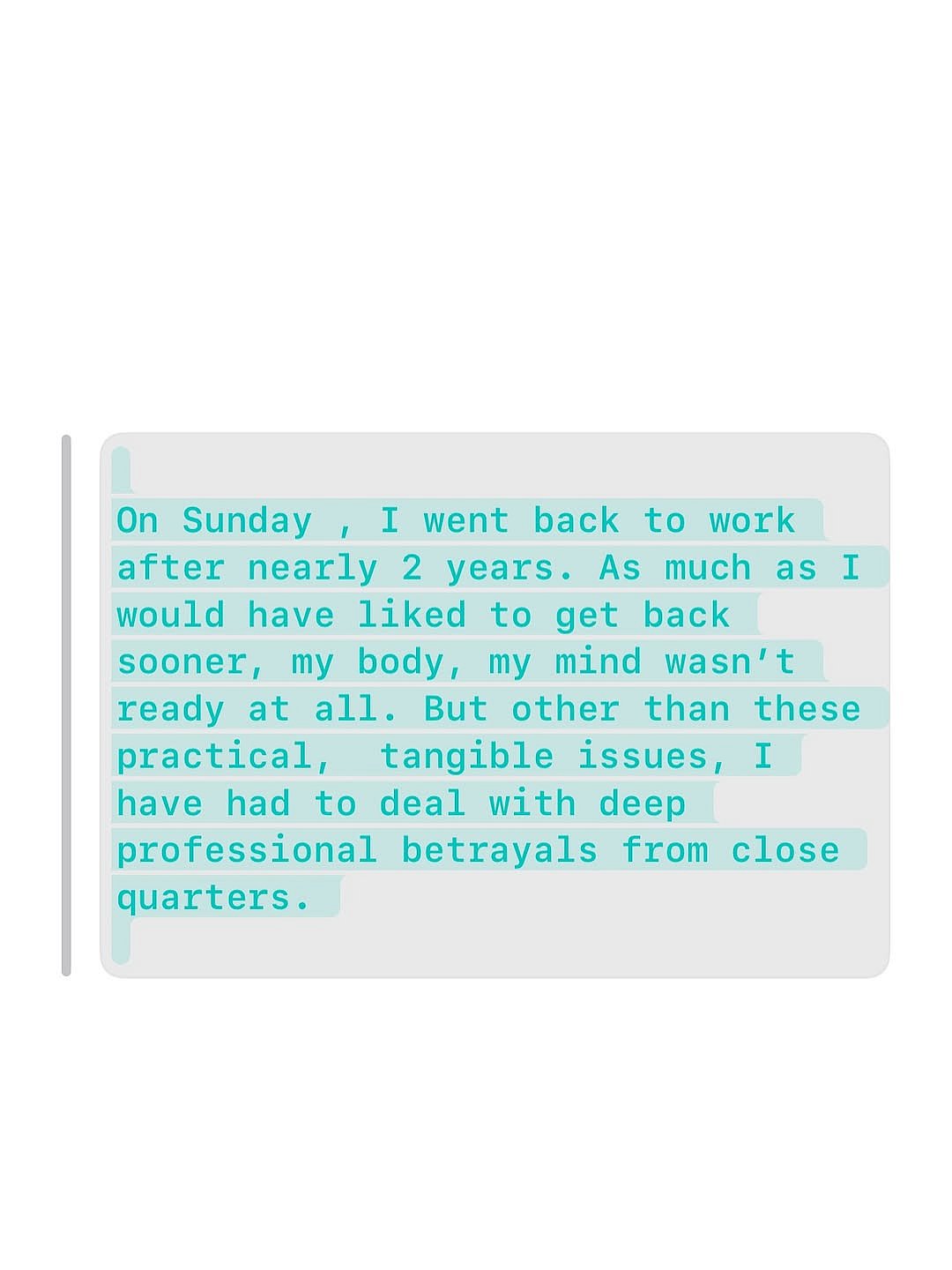
Nearly two years after giving birth, Richa finally felt ready to step back into professional life. Addressing expectations placed on women to “bounce back,” she admitted that she wished she could have returned sooner, but neither her physical health nor mental well-being allowed it.
Her experience highlights a reality often glossed over: postpartum recovery doesn’t follow a fixed timeline, especially in high-pressure industries like cinema.
“Deep Professional Betrayals” after becoming a mother
Beyond personal recovery, Richa revealed she faced unexpected professional setbacks. She spoke about being sidelined and betrayed by people she once trusted, calling out the lack of empathy shown during one of the most fragile phases of her life.
Her account echoes what several actresses have previously stated, that motherhood can quietly cost women opportunities in Bollywood, where availability and perception often outweigh talent and experience.
A pattern in the film industry
Richa’s revelations add to a growing list of voices questioning the industry’s treatment of new mothers. While earlier generations of actors often took extended breaks after having children, more recent examples, such as Kareena Kapoor Khan, Alia Bhatt, Deepika Padukone, Yami Gautam, and Neha Dhupia, have challenged that norm by returning to work.
Despite these shifts, many have openly acknowledged that the industry still lacks structural support for working mothers. Discussions around fair work hours, flexibility, and empathy remain ongoing, especially after debates around limited shooting schedules and work-life balance gained traction in recent years.
Ethics, scarcity, and emotional cruelty
In her post, Richa didn’t mince words about the mindset she encountered. She remarked that only a handful of people in the industry operate with integrity, while many are driven by insecurity and a scarcity mentality.
Describing how negativity often spreads from unhappy people, she noted that cruelty during her postpartum phase felt especially unwarranted. While she emphasised forgiveness, she also made it clear that she hasn’t forgotten the way she was treated.
Postpartum recovery: “The mental healing took longer”
Richa also spoke about postpartum struggles that many women experience but rarely discuss openly. She reflected on how becoming a mother can fundamentally alter one’s sense of identity and how emotional recovery can take longer than expected.
She stressed that while it’s often said a village is needed to raise a child, it’s equally vital to support the mother, because she, too, is relearning who she is.
Saying no to performative vulnerability online
The actor also critiqued social media culture, revealing that she was encouraged to create content or speak publicly about her struggles while she was still healing. She admitted she wasn’t comfortable turning her pain into performative storytelling for algorithms, podcasts, or monetized content.
Calling out what she described as a “necro-capitalist” social media ecosystem, Richa questioned why every personal experience must now be packaged, branded, or sold.

