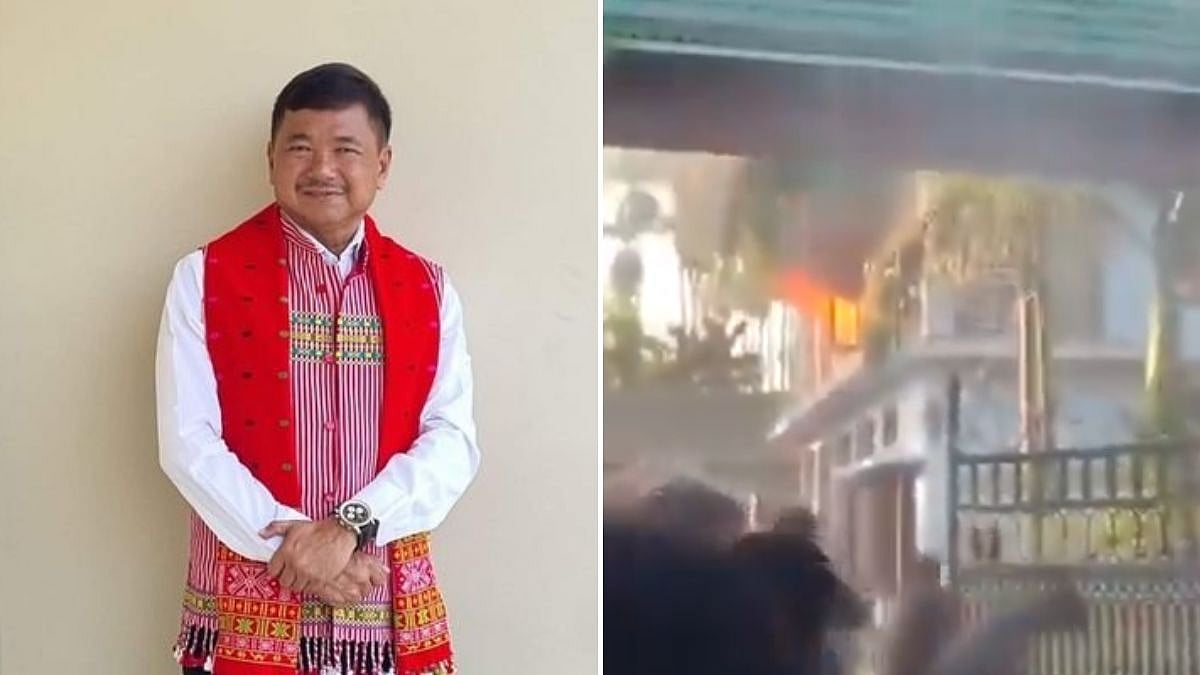
Guwahati, December 22: Amid rising tension and violence in Assam’s West Karbi Anglong district, Karbi Anglong Autonomous Council (KAAC) Chief Executive Member Tuliram Ronghang on Monday described the unrest as the result of a “misunderstanding” and appealed for calm, insisting that the crisis could still be resolved through dialogue.
Arson attack on Ronghang’s residence amid rumours of arrests
Speaking to reporters hours after his old residence at Dongkamokam was allegedly torched by protesters, Ronghang said he was on his way to meet the agitating groups for talks when he received news of the arson attack. The house, he said, was targeted after rumours spread that hunger-striking protesters had been arrested.
“Yesterday, the police took a few protesters to Gauhati Medical College for medical treatment. Unfortunately, people misunderstood this as an arrest. That misunderstanding led to violence. Today, some youths came and attacked my home,” Ronghang said.
He said he was staying in Koka village in West Karbi Anglong and was travelling to Kheroni for a scheduled meeting with protesters at 4 pm when the incident occurred. According to him, around 200 people from nearby villages had gathered, allegedly carrying stones and petrol.
Ronghang reiterates faith in talks to defuse the crisis
“I came to know about the arson while I was on the way. Even now, I believe this situation can be resolved through dialogue. I appeal to everyone to come forward for talks,” the KAAC chief said.

The violence erupted against the backdrop of protests demanding the eviction of non-tribals from Professional Grazing Reserves (PGR) and Village Grazing Reserves (VGR) in the Kheroni area—an issue that has remained deeply sensitive and unresolved in the hill district for years.
Chief Minister Himanta Biswa Sarma said the state government was closely monitoring the situation. “The DGP is already there and Education Minister Ranoj Pegu is on his way to the area. I am personally keeping a close watch. I believe the matter can be resolved through dialogue,” Sarma told reporters.
High Court order cited as hurdle to eviction drive
The Chief Minister also pointed to legal constraints in carrying out eviction drives. “The High Court has passed an order because of which eviction could not be carried out in that area. But I am confident we will find a peaceful solution,” he added.
Earlier in the day, tensions escalated sharply after police opened fire to disperse protesters following the arson attack on the CEM’s residence. At least three people were injured in the firing and rushed to hospital. Police said they were forced to act as the situation spiralled out of control.
An injured official defended the police action, claiming that demonstrators had resorted to stone-pelting. “It was a strike situation. Stone-pelting should not have happened,” the official said, suggesting that police firing was a last resort to restore order.
Protesters, however, questioned the police response. “Who ordered the firing? The CEM must take responsibility. We heard gunshots and now three people are hospitalised,” one protester alleged.
Hunger strike crackdown fuels anger among demonstrators
The unrest was further fuelled by police action against an ongoing indefinite hunger strike. Protesters who had been fasting for over two weeks at Fealgpi in the Kheroni area were reportedly picked up by police late Sunday night and moved from the protest site, a move that angered supporters.
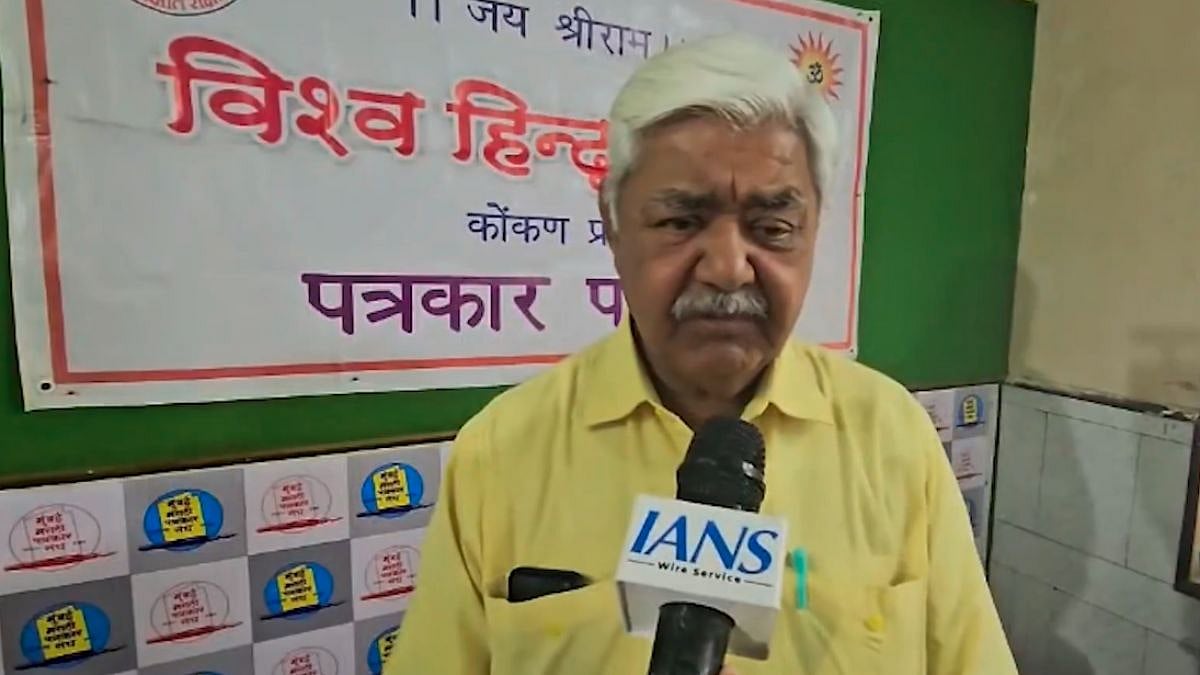
Following this, demonstrators blocked roads, raised slogans and demanded the immediate release of those detained. By evening, the situation had deteriorated into a serious law-and-order crisis.
In response, the administration imposed prohibitory orders across West Karbi Anglong under the Bharatiya Nagarik Suraksha Sanhita (BNSS) to prevent further violence. Security forces have been deployed in large numbers, and a high alert remains in force in sensitive areas.
Authorities have not yet issued a detailed official statement on the firing or confirmed arrests in connection with the arson attack. As night fell, West Karbi Anglong remained tense, with residents caught between fear and uncertainty, even as political leaders and officials continued to stress that dialogue—not violence—was the only way forward.

