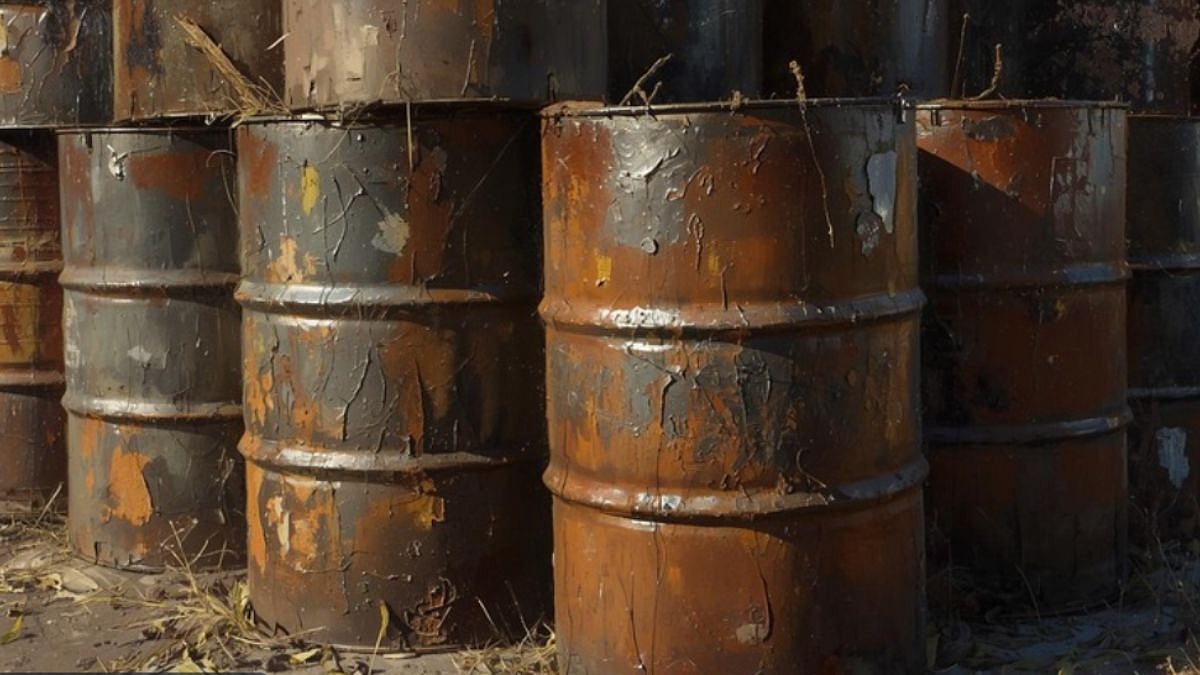
New Delhi: On Russian oil, President Trump Executive Order released on Friday evening stated, “The Secretary of Commerce, in coordination with the Secretary of State, the Secretary of the Treasury, and any other senior official the Secretary of Commerce deems appropriate, shall monitor whether India resumes directly or indirectly importing Russian Federation oil, as defined in section 7 of Executive Order 14329.”
The order added. “If the Secretary of Commerce finds that India has resumed directly or indirectly importing Russian Federation oil…shall recommend whether and to what extent I should take additional action as to India, including whether I should reimpose the additional ad valorem rate of duty of 25 percent on imports of articles of India.”
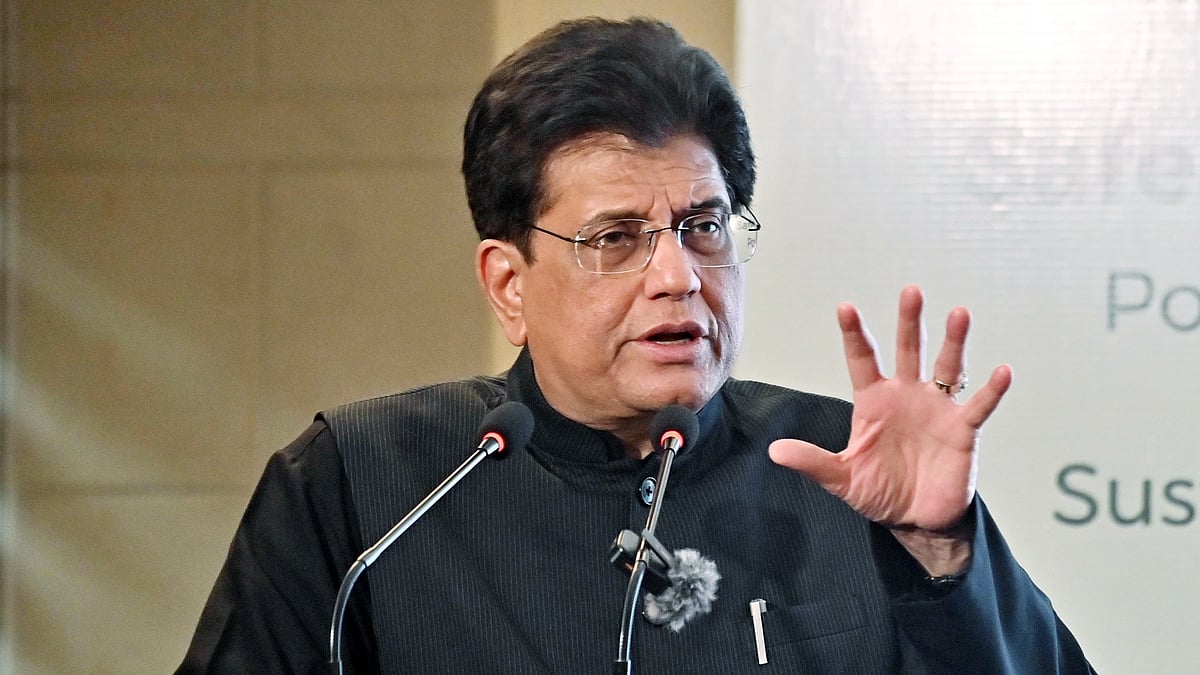
Till date India has not officially reacted to the US president’s missive. In a special briefing today Commerce Minister Piyush Goyal called the interim agreement a “fair, equitable, balanced trade agreement that protects India’s sensitivities,” and reiterated the government’s aim to increase India-US bilateral trade by $500 billion by 2030. On tariffs, Goyal confirmed that President Trump has already removed the 25% tariffs imposed on India for buying Russian oil while another Executive Order expected next week would reduce India’s total tariffs to 18%.
On agriculture, Goyal insisted in the special briefing that “we have not included any item where any Indian farmer will be hurt,” He added. “All sensitive items have been kept out of the deal. No genetically modified items will enter India, and no tariff relief has been given [to the U.S.] on meat, poultry, dairy, soybean, maize, rice, wheat, sugar, millets, fruits such as bananas, strawberries, cherries, citrus fruit, greenpea, kabuli chana, moong, oilseeds, ethanol, and tobacco.”
Asked whether India was worried about Trump’s threat to reimpose tariffs should India buy Russian oil, Goyal said that this issue would be addressed by the MEA. Later in the day an MEA statement restated India’s position of buying oil. “Insofar as India’s energy sourcing is concerned, the government has stated publicly on several occasions that ensuring the energy security of 1.4 billion Indians is the supreme priority of the government. Diversifying our energy sourcing in keeping with objective market conditions and evolving international dynamics is at the core of our strategy to ensure this. All of India’s actions are taken and will be taken with this in mind,” the statement said.
Some diplomats fear that Trump’s insistence that India stop buying all Russian oil may undo all the gains India has made in the interim agreement. Speaking to a news channel former foreign secretary Kanwal Sibal stated that India could afford to show some flexibility with the US on agriculture but not on Russian oil. The former foreign secretary said the issue was more problematic as it concerned India’s strategic autonomy.
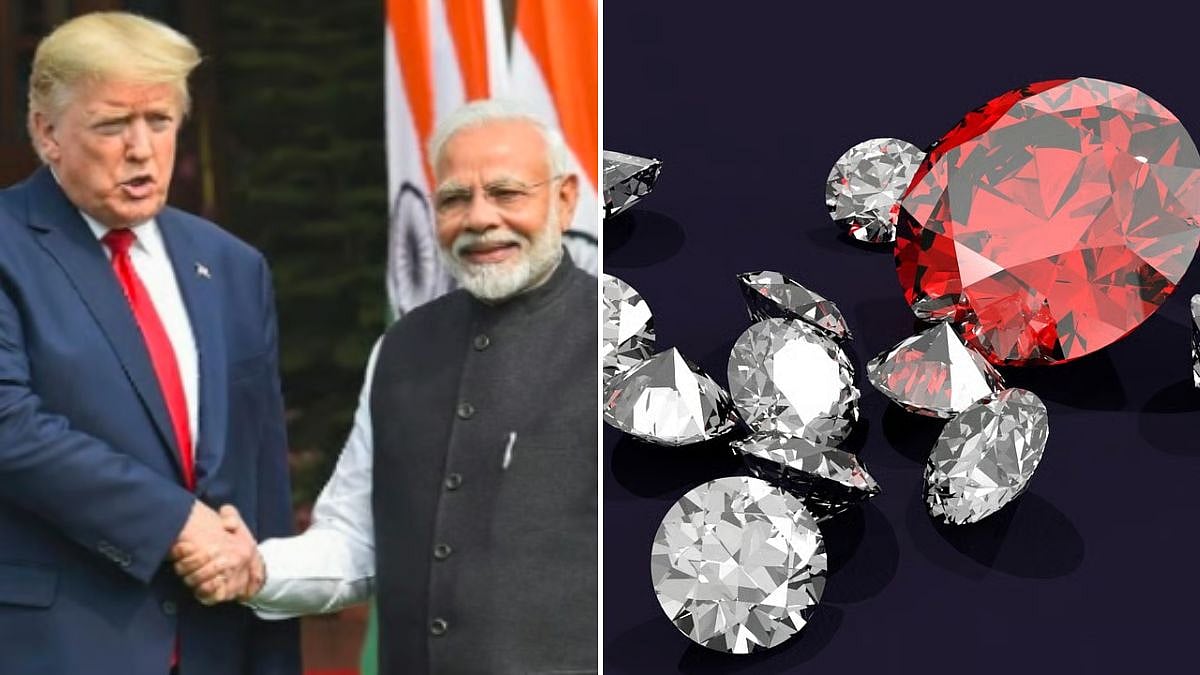
“I have a problem with the introduction of issues that are not bilateral into a bilateral trade deal such as the buying of Russian oil. The problem is he (Trump) is saying India cannot buy Russian oil directly or indirectly. So that means we cannot even buy Russian oil that is not sanctioned by the US,” said Sibal.
The former foreign secretary added. “Trump has also told (US Commerce Secretary) Lutnick to monitor our purchase of Russian oil and depends on what he says action will be taken against us which could include purchase of Russian oil. This has an impact on how we conduct our foreign policy and our strategic autonomy.”
Strategic analyst Brahma Chellaney made clear his disapproval. “The trade deal with India adds another feather to Trump’s extractive cap. His weaponised trade strategy — after extracting U.S.- investment commitments of $550 billion from Japan, $350 billion from South Korea and $70 billion from Malaysia — has now coerced India into pledging $500 billion in imports of American products over the next five years, as the newly released joint statement makes clear.”

