New Delhi: India and the United States unveiled an interim trade agreement today the framework of which may serve the foundation of an eventual Free Trade Agreement (FTA) between the two nations.
Taking to X, the US Ambassador to India Sergio Gor unveiled a White House statement that called the trade agreement a “historic milestone in our countries partnership” and stated. “Today’s framework reaffirms the countries’ commitment to the broader U.S.- India Bilateral Trade Agreement (BTA) negotiations, launched by President Donald J. Trump and Prime Minister Narendra Modi on February 13, 2025, which will include additional market access commitments and support more resilient supply chains.”
India’s politicians also took to X to announce the interim trade agreement but unlike Ambassador Gor they made no mention of an eventual FTA. Prime Minister Modi wrote that the interim trade agreement showcased the “growing depth, trust and dynamism of our partnership. It strengthens ‘Make in India’ by opening new opportunities for India’s hardworking farmers, entrepreneurs, MSMEs, StartUp innovators, fishermen and more. It will generate large-scale employment for women and youngsters.”
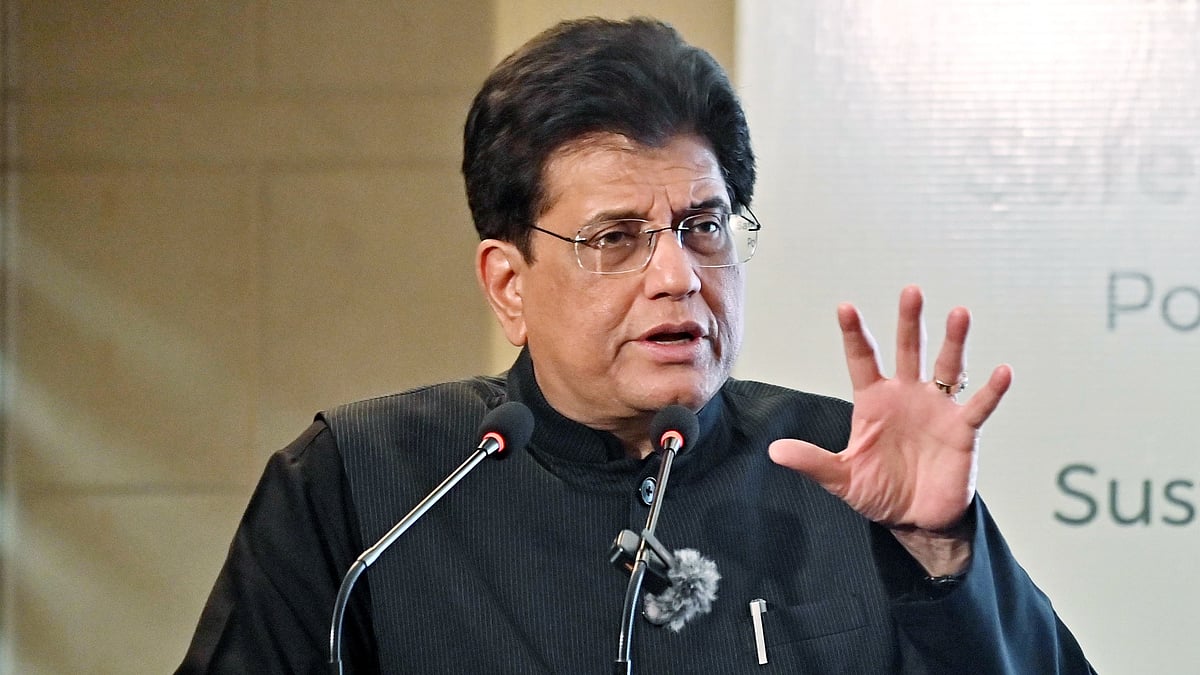
The prime minister’s remarks on X was seconded by Commerce Minister Piyush Goyal who stated that the interim agreement would “open a $30 trillion market for Indian exporters, especially MSMEs, farmers and fishermen. The increase in exports will create lakhs of new job opportunities for our women and youth.”
Goyal also pointed out that under the agreement the US would “slash reciprocal tariffs on Indian goods to 18%, providing a huge market opportunity in key sectors such as textiles and apparel, leather and footwear, plastic and rubber products.” The 18% tariff will make Indian exports to the US more price competitive than other nations. Currently the US has imposed 50% tariffs on Brazil, 37% on China while South Africa faces a 30% tariff. Within the neighbourhood and East Asia, Bangladesh and Vietnam face tariffs of 20% and Malaysia, Cambodia and Thailand are at 19% each.
The key issue is agriculture where speculation mounted that India has surrendered too much to the US. Goyal however was quick to end such speculation. He stated that India remains “committed to safeguarding farmers’ interests and sustaining rural livelihoods by completely protecting sensitive agricultural and dairy products, including maize, wheat, rice, soya, poultry, milk, cheese, ethanol (fuel), tobacco, certain vegetables, meat, etc.” He added.
“This agreement will help India and the US remain focused on working together to further deepen economic cooperation, reflecting shared commitment to sustainable growth for our people and businesses.” The Commerce Minister also clarified that the deal has been negotiated in tranches, the first text of which will be released in March this year. What this means is that the Bilateral Trade Agreement (BTA) will be negotiated in stages and so far India and the US had reached the first stage. Experts say the first tranche will concentrate on the issue of tariffs and the White House statement confirmed that.

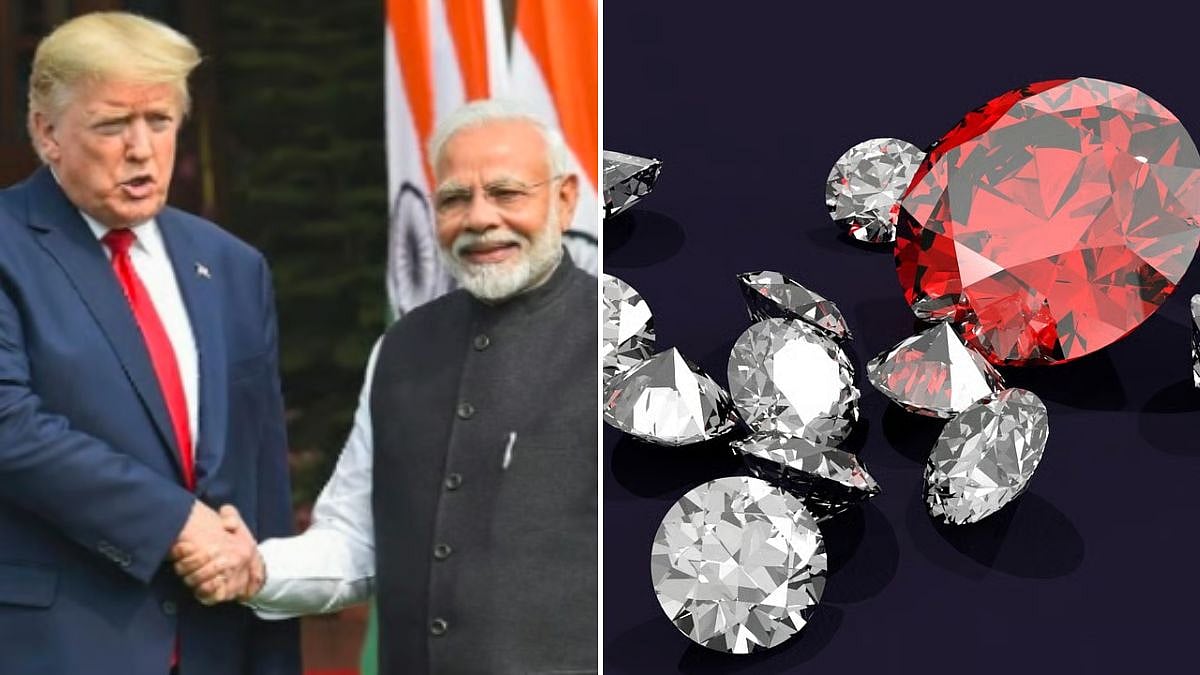
The statement said that while the 18% tariff would remain on certain sectors that included textile and apparel, leather and footwear, plastic and rubber, organic chemicals, home décor, artisanal products, and certain machinery, it would be waived off completely in other areas that included generic pharmaceuticals, gems and diamonds, and aircraft parts. While much of the fine print still needs to be released experts are clear that the sticking points remain on dairy products and on ending the import of Russian oil, which the US has made a pre-condition for removing tariffs.

