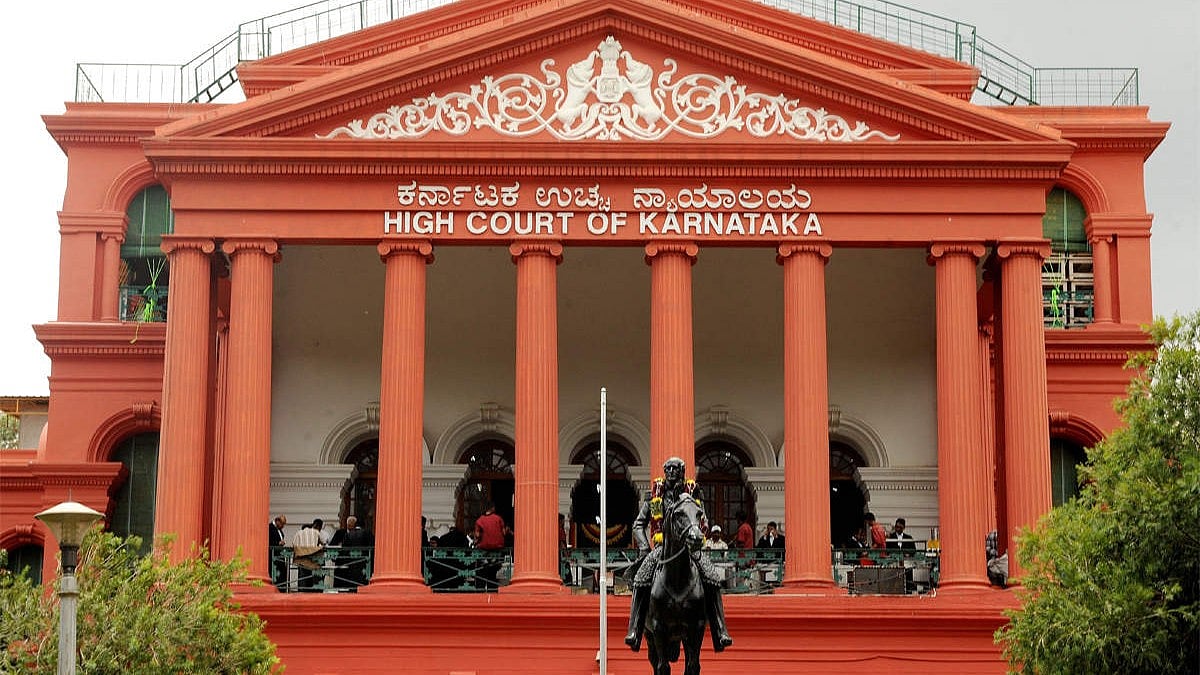
Bengaluru: The Karnataka High Court on Tuesday stayed a government order and vacated the same stay within two hours after intervention of the Advocate General, who pleaded against ex-parte stay order.
In the morning, the High Court had stayed the Nov 20, government notification that mandated one day paid menstrual leave per month for women employees across the industrial establishments in the State.
Following a petition filed by the Bengaluru Hotels Association and another similar petition filed by Management of Avirata AFL Connectivity Systems Limited, Justice Jyoti M issued an interim stay for implementation of the notification.
However, the Advocate General Shashi Kiran Shetty appeared before the court after sometime and pleaded to vacate the stay, which was accorded without hearing the government version. The court accepted the plea, vacated the stay and posted the matter for Wednesday.

The notification applied to all industries and establishments registered under the Factories Act, 1948, the Karnataka Shops and Commercial Establishments Act, 1961, the Beedi and Cigar Workers (Conditions of Employment) Act, 1966 and the Motor Transport Workers Act, 1961. It extended the benefit of one day of paid menstrual leave every month to permanent, contract and outsourced women employees.
After hearing preliminary arguments from Advocate Prashanth B K, who appeared for the Bengaluru Hotels Association, the court sought the State government's response and stayed implementation of the menstrual leave policy. The Court also added that the government was at liberty to seek modification of the order, if required.
The association, which represents hotels, restaurants, bakeries, sweet shops and ice cream parlours with about 1,540 active member establishments argued that adequate provisions governing employee leave already existed. This notification does not even indicate under which power the government has issued.The matter should have been left to individual establishments to decide as part of their human resource policies, the petition contended.

In its plea, the petition stated: ``The impugned notification issued by the respondent is not supported by any legislative enactment. The government is not empowered to direct the industrial establishments to provide menstrual leave by way of an executive order.''
Claiming that the policy would impose additional financial burdens and carry `serious civil consequences', the petition noted that the government should have sought input from the stakeholders before issuing the order.

