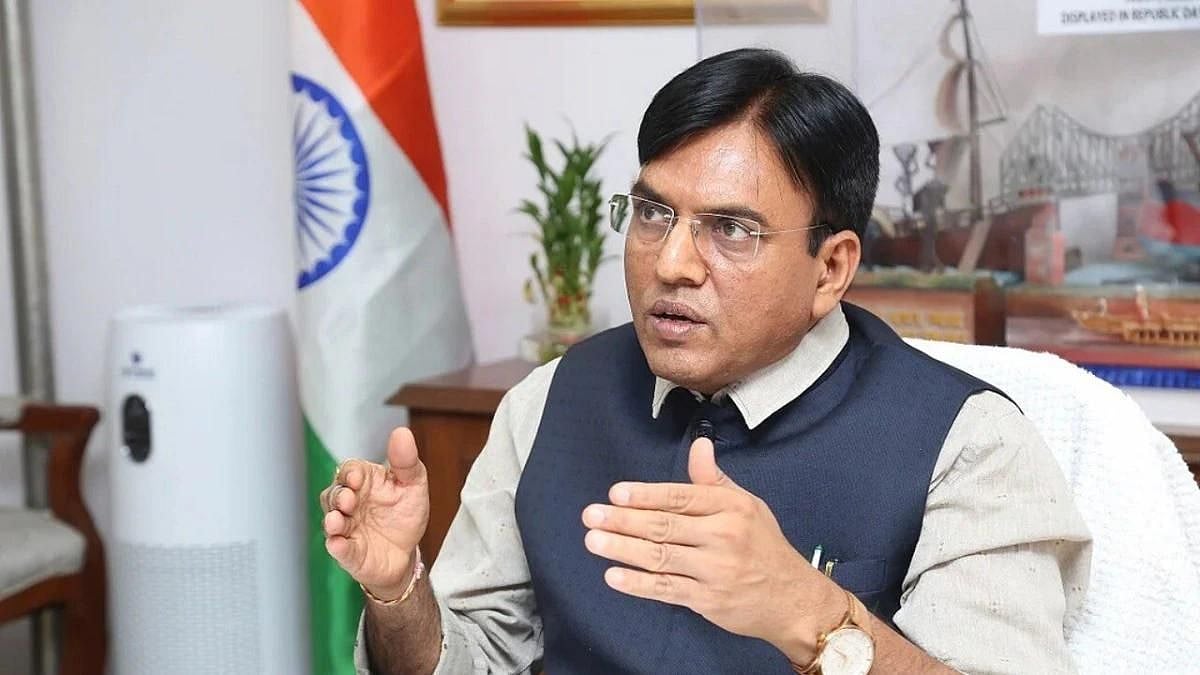
The government on Friday announced the immediate implementation of the four Labour Codes, marking one of the biggest labour reforms since Independence. Labour Minister Mansukh Mandaviya said at a press conference in New Delhi that the Codes “have been notified and now they are the law of the land.” Prime Minister Narendra Modi welcomed the move and called it a major step towards protecting workers’ rights and strengthening India’s growth.
PM Modi Welcomes Reforms
In a post on X, he said the new Codes “strengthen the rights of every worker, formal, informal and gig,” and ensure better wages, safety and dignity. He described the reforms as “a major stride towards Viksit Bharat,” noting that they would boost job creation, improve productivity and support India’s economic future.
Overview of the Four Labour Codes
The four Labour Codes, the Code on Wages (2019), the Industrial Relations Code (2020), the Code on Social Security (2020) and the Occupational Safety, Health and Working Conditions Code (2020) merge and rationalise 29 earlier labour laws into a unified framework.
According to the government, the reforms simplify compliance for employers, introduce uniform wage rules and expand safety standards across sectors.
Key Worker Benefits
Under the new framework, all workers will be entitled to minimum wages, salary credit by the 7th of every month, double wages for overtime and mandatory appointment letters. Workers above 40 years of age will receive a free annual health checkup, and Fixed Term Employees will become eligible for gratuity after one year of continuous service.
Women workers will receive wider protections and opportunities, including equal pay, consentbased night-shift employment with stricter safety norms, 26 weeks of paid maternity leave and expanded roles across manufacturing, mining, services and the IT sector.
For the first time, gig and platform workers such as delivery partners and app-based drivers will receive legal recognition.
Aggregator platforms will be required to contribute up to 5 per cent to a Social Security Fund that will provide insurance, accident compensation and other portable benefits across states.

Government Statement on Reforms
Mandaviya said the Codes ensure “timely minimum wages for all workers, appointment letters for the youth, equal pay and respect for women, gratuity for fixed-term employees after one year of employment, free annual health check-ups for workers above 40 years of age, double wages for overtime, 100% health security for workers in hazardous sectors, and social justice for workers as per international standards.”
Officials pointed out that states such as Gujarat, Maharashtra, Andhra Pradesh and Uttar Pradesh, which implemented similar reforms earlier, have recorded higher investments, increased formal employment and faster industrial growth.
(With inputs from agencies)

