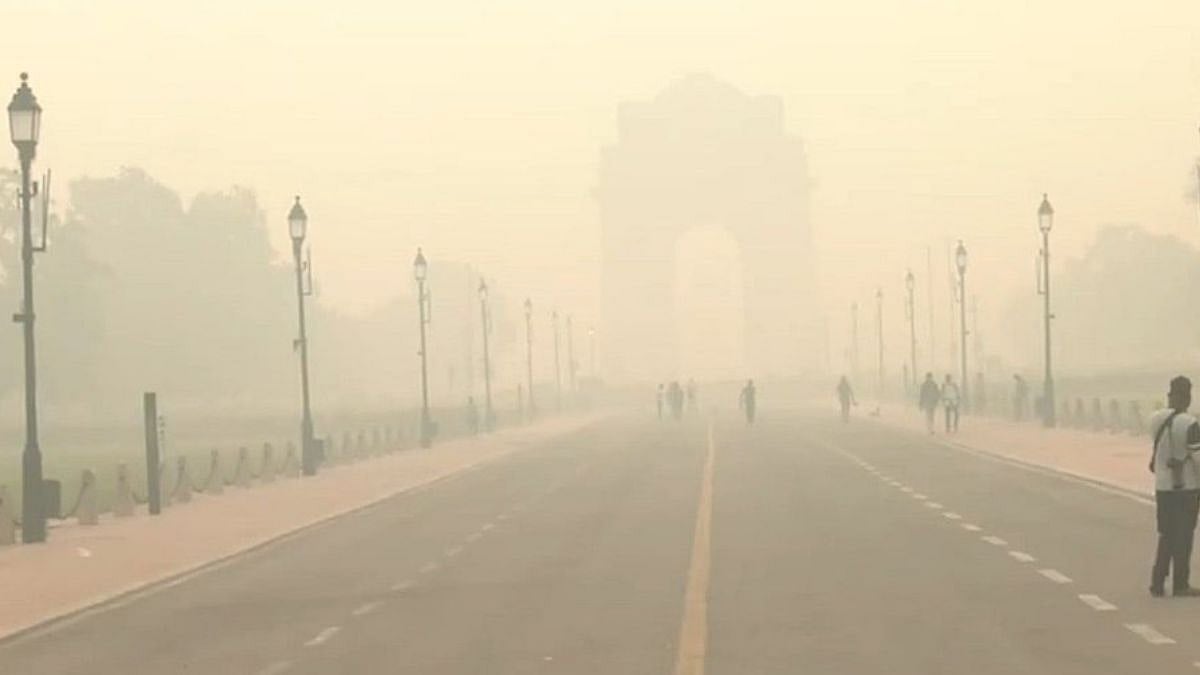
A decade-long analysis of Air Quality Index data from 2015 to November 2025 across major Indian cities shows that no major urban centre in the country meets safe air standards.
While some cities have recorded improvement in recent years, pollution levels remain consistently above recommended limits, posing severe health risks for millions.
Delhi continues to be the most polluted city in India throughout the study period. AQI readings remained extremely high, peaking above 250 in 2016 and still close to 180 in 2025. Despite minor fluctuations, the national capital has never come close to clean air benchmarks, with vehicular emissions, industrial activities, crop burning, and its geographical location contributing to persistent toxic air.
Lucknow, Varanasi, Ahmedabad, and Pune also show long-term trends of unhealthy air quality. Lucknow and Varanasi frequently recorded AQI levels above 200 in the early years and though the data suggests gradual improvement after 2019, both cities remain far from safe standards. Ahmedabad displays a similar pattern of marginal progress with annual averages between 100 and 120.
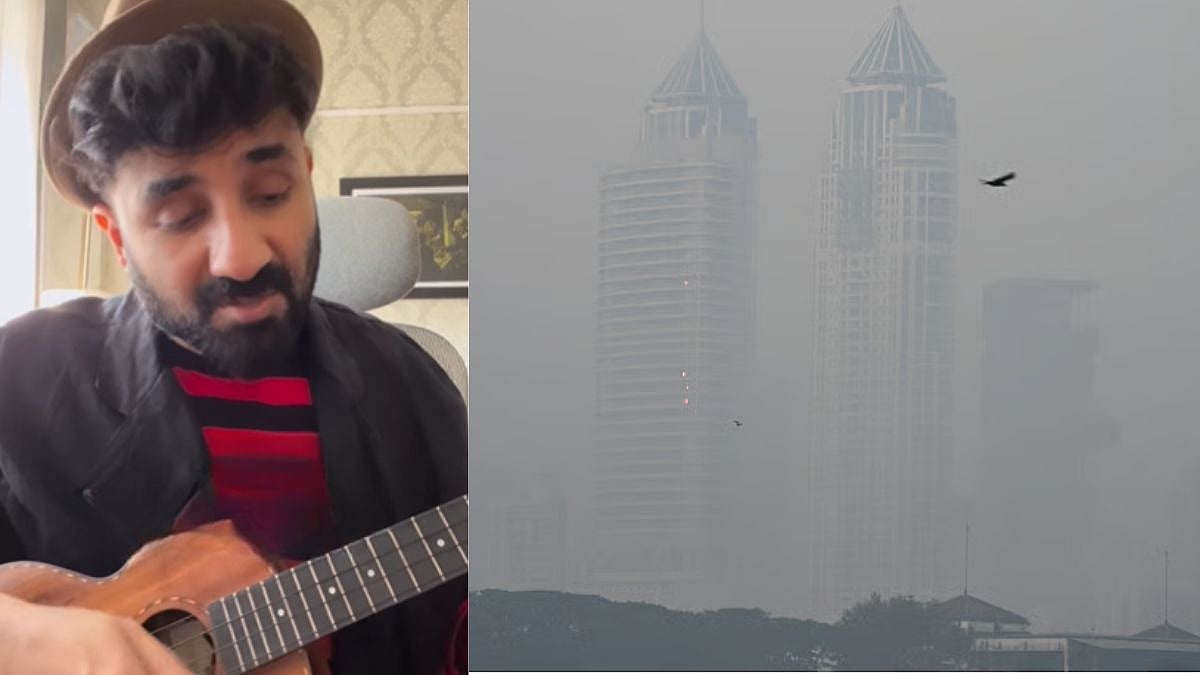
Kolkata, Chennai, Chandigarh, Visakhapatnam, and Mumbai present lower pollution levels compared to northern cities but still fall short of healthy ranges. Chennai and Mumbai saw visible improvement post 2020 due to cleaner fuel adoption and reduced industrial activity during pandemic restrictions, yet both continue to see fluctuations indicating ongoing stress on air quality.
Among the metros, Bengaluru shows the cleanest air, with AQI largely between 65 and 90. However, even these levels fail to qualify as “good,” highlighting that no major city escapes air pollution challenges.
The analysis underlines that even in 2025, a sharp decline in farm fires did not result in cleaner post-Diwali air in Delhi. The absence of rainfall in the Indo-Gangetic plains since October has prevented natural pollutant washout, contributing to rapid formation of winter smog.
“With cold north-westerly winds sweeping into the plains, minimum temperatures are set to drop further, making it even harder for pollutants to disperse. Without rain to wash out pollutants, the smog lingers longer,” said Mahesh Palawat, Vice President of Meteorology and Climate Change at Skymet Weather. He added that weak Western Disturbances have failed to trigger widespread rainfall across North India this season.
Experts point out that meteorology and geography play a major role in trapping pollutants. The Himalayas form a natural barrier that prevents air from moving northward, while dense urban structures reduce wind flow and restrict dispersion. Winter temperature inversions further trap pollutants close to the ground and create thick smog across the region.
The Indo-Gangetic plains, including Delhi, Lucknow, and Kanpur, struggle with severe winter pollution every year. While summer monsoon rains flush out pollutants, winter conditions work against dispersion and worsen the air crisis.
According to Prof S N Tripathi of IIT Kanpur, cities must use reliable data to design interventions that are effective and sustainable. “Poorly planned measures can cause more pollution than they prevent. Data-driven action is essential for smart and timely decisions,” he said.
Moving to a different city in search of cleaner air is not a solution, said Palak Balyan of Climate Trends. “Air pollution affects everyone but not equally. Street vendors, transport workers and sanitation staff suffer the most. The only way forward is long-term, science-based policy reform supported by political will.”
The findings make it clear that India’s air pollution problem remains structural and widespread. While a few cities show gradual improvement, none meet safe standards at any point in the last decade. Experts say stronger enforcement, cleaner energy transition, emission reduction measures, and climate-aware urban planning are essential to protect public health and ensure sustainable growth.

