CTET Answer Key 2026: The Central Board of Secondary Education (CBSE) is expected to release the Central Teacher Eligibility Test (CTET) 2026 answer key soon on the official website of CTET at ctet.nic.in. The CTET exam 2026 was conducted in two days, February 7th and 8th, 2026, in two shifts on each day for both Paper I and Paper II.
CTET Provisional Answer Key 2026: How to download?
To download the CTET Provisional Answer Key 2026, aspirants need to follow the steps given below:
Step 1: Visit the official website of CTET at ctet.nic.in.
Step 2: Click on the CTET 2026 answer key link, available on the homepage.
Step 3: After this, enter the information such as birthdate & roll number and then submit.
Step 4: Now, the CTET provisional answer key 2026 will appear on the screen.
Step 5: Download the CTET 2026 answer key and take a printout of the same for further reference.
CTET Answer Key 2026: Objection window
Once the CTET provisional answer key 2026 is out, candidates will get 2-3 days to raise objections against the tentative answer key. To address the objection, applicants need to submit the supporting documents and make the necessary payment.
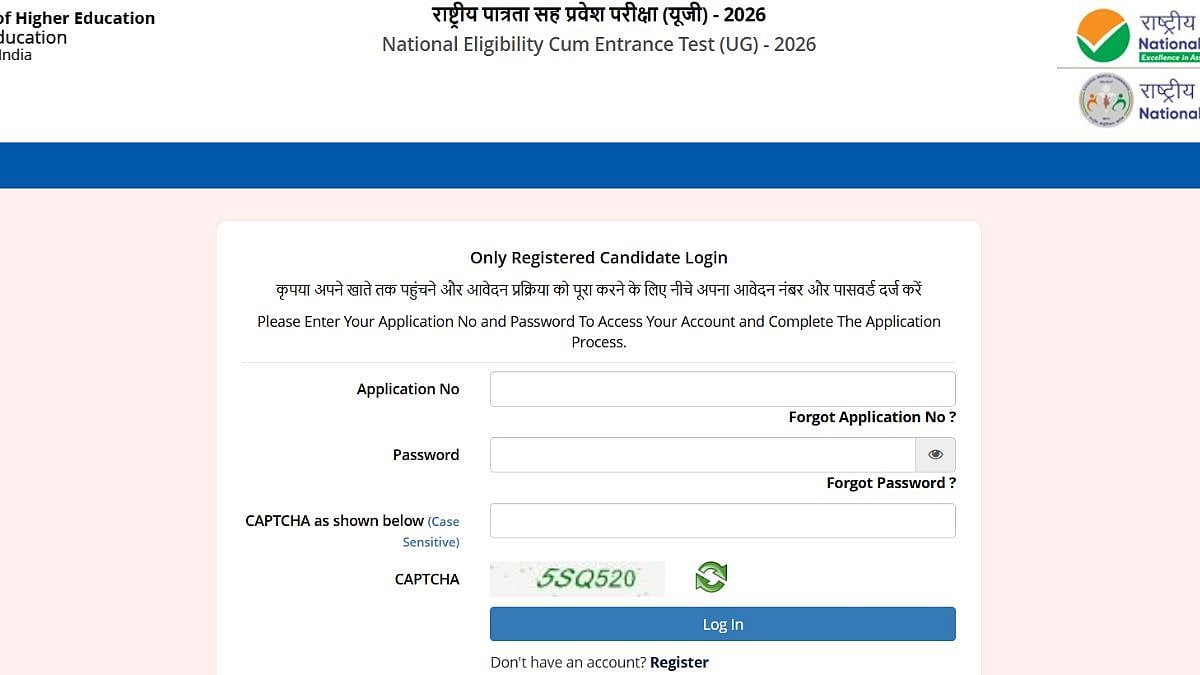
CTET 2026: Final Answer Key and Result
The objections raised by the applicants will be examined by the experts, and then a final answer key will be created. Along with the CTET 2026 final answer key, the board will release the CTET 2026 result on the official website of CTET.
CTET Exam 2026: Paper 2 exam at two centres cancelled
CBSE has cancelled the CTET 2026 Paper 2 exam at two centres in Vaishali (Hajipur), Bihar, citing unavoidable circumstances. The exam was held successfully at 1,801 of 1,803 centres nationwide. CBSE said a re-examination for affected candidates will be conducted within 15 days, with revised dates to be communicated separately.
About the CTET 2026
CTET 2026 is a national-level eligibility exam conducted by the CBSE to assess candidates’ suitability for teaching positions in Classes I to VIII. It consists of two papers: Paper I for primary teachers (Classes I–V) and Paper II for upper primary teachers (Classes VI–VIII).

