Bhopal (Madhya Pradesh): Despite repeated complaints on the CM Helpline and Mayor Helpline, the Bhopal Municipal Corporation (BMC) has allegedly failed to act on reports of contaminated water supply in several parts of the city. The matter drew attention after a recent tragedy in Indore linked to contaminated water, following which the BMC began water sampling.
On Wednesday, bacteria were detected in water samples from four locations, including Khanugaon and Bajpai Nagar. On Thursday, a Free Press investigation found disturbing conditions on the ground in these areas.
In Khanugaon, contaminated water has reportedly caused severe health issues, including boils on the body of a one-and-a-half-year-old girl. While in Bajpai Nagar, nearly 15,000 residents have been allegedly consuming contaminated water for almost four years.
Only after bacteria were detected in water samples recently did the municipal authorities begin cleaning efforts, residents claimed.
Khanugaon: Child suffers due to contaminated water
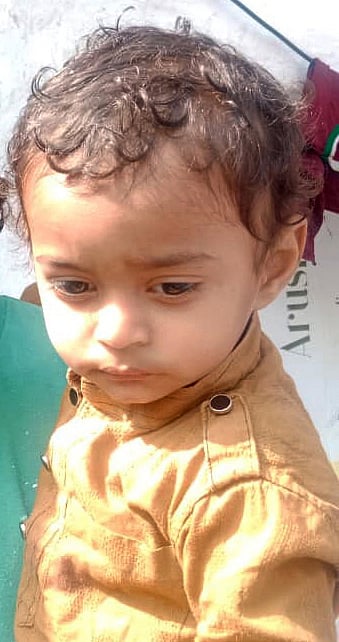
In the lower areas of Khanugaon, water is supplied from a 50-year-old well as Narmada water fails to reach these localities. According to resident Wasim Khan, his infant daughter developed painful boils all over her body after being bathed with water from the well. Since then, the child has remained unwell, he claimed.
The residents claim that a sewage line laid near the well burst around 10–15 days ago, leading to sewage mixing with the well water. Despite multiple complaints, no action was taken until after the Indore incident, when municipal teams finally arrived to collect water samples.
Bajpai Nagar: 4 Years of complaints, no relief
Bajpai Nagar, developed under the BMC’s “Housing for All” scheme in Idgah Hills, is home to around 15,000 people. Residents allege that the water pipeline here has been submerged in sewage for years, contaminating the supply. Despite monthly complaints over the past four years, they claim officials failed to take any corrective measures.
Local residents say the water began emitting a foul smell, forcing them to stop using it even for non-drinking purposes. Many families are now compelled to carry water in containers from higher areas, adding to their daily hardship.

