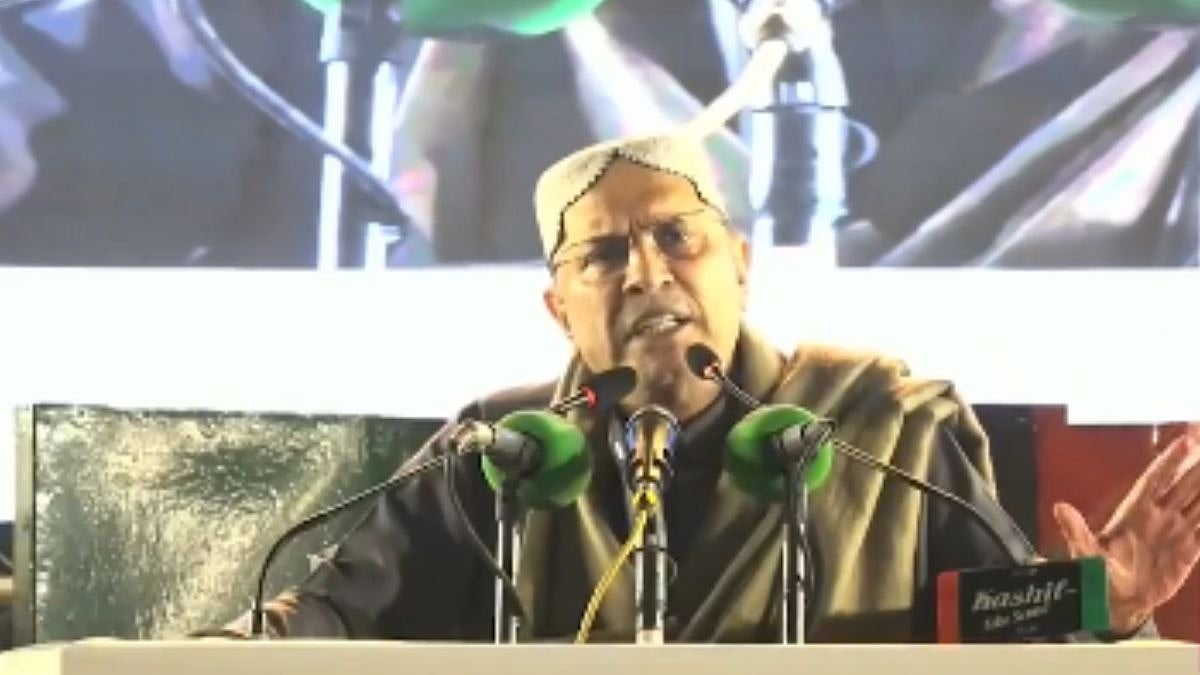
Pakistan President Asif Ali Zardari on Saturday openly admitted that the military had advised him to take shelter in a bunker during the military confrontation with India in May, following Operation Sindoor. '
In response, he said that if martyrdom were destined, it would happen there itself, adding that leaders do not die in bunkers. He claimed that the Pakistan armed forces had given a befitting reply to India.
Soon after the military confrontation with Pakistan ended, Prime Minister Narendra Modi, in a stern warning to Pakistan had said, “Sukh chain ki zindagi jiyo, roti khao, warna meri goli toh hai hi.” This roughly translates to: “Live a peaceful life and eat your bread, or else my bullet is always there.”
Responding to this, Zardari said, "Hum jung ke maidan ke liye khud tayar hai, hum apne jano ki kurbani dene ke liye tayar hai. Toh yeh bhul jao roti hogi, goli hogi, tum Kya goli maroge goli toh hum marenge," he said.
Which roughly translates to, “We are fully prepared for the battlefield. We are ready to sacrifice our lives. So forget about bread and bullets; there will be bullets. You think you will fire the bullet? It is we who will fire the bullet.”
The video of the Pakistani President was posted by Baloch leader Mir Yar Baloch.
India launched Operation Sindoor on the intervening night of May 6 and 7 on nine terror camps in Pakistan and Pakistan-Occupied Kashmir (PoK) to avenge the April 22 Pahalgam terror attack. However, tensions between the two countries escalated after Pakistan's failed attempt to target civilian and military installations in India. In response, India carried out strikes targeting Pakistan air bases.
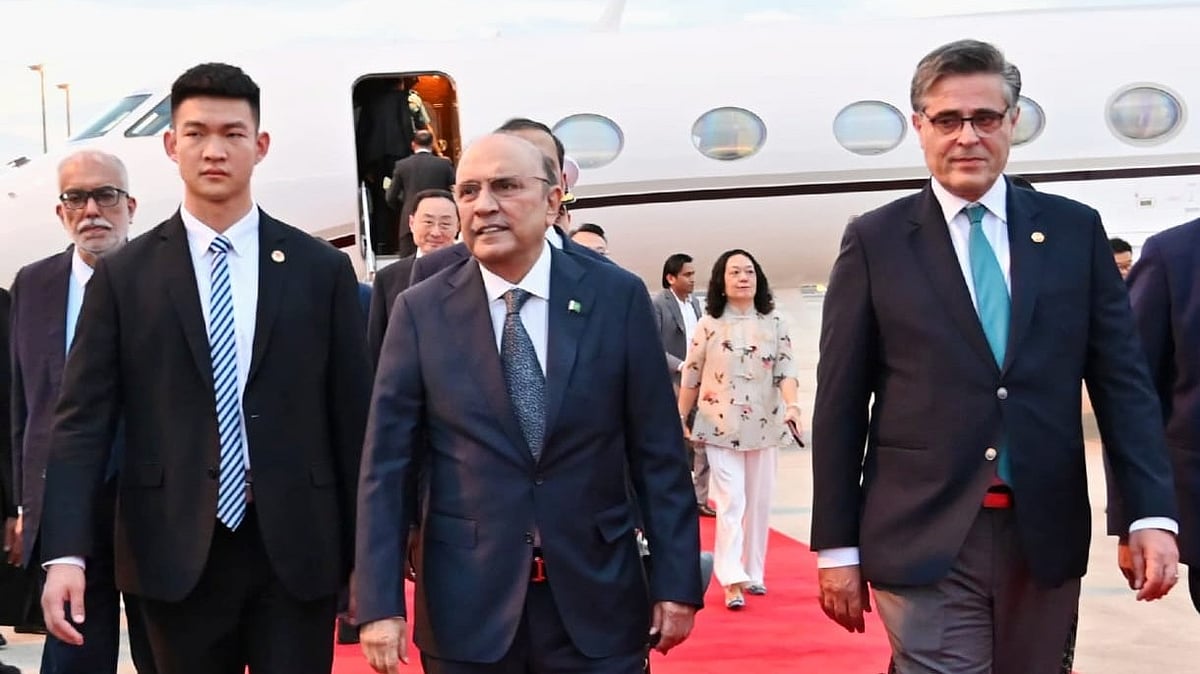
On May 10, both countries agreed to a ceasefire after the Directors general of military operations (DGMO) of India and Pakistan agreed to stop all firings and military action on land, air and sea.The DGMO of Pakistan called the DGMO of India and initiated the ceasefire.
The Indian Armed Forces inflicted heavy damage on Pakistan air bases, including Nur Khan and Rahim Yar Khan, with precision strikes during the military confrontation.

