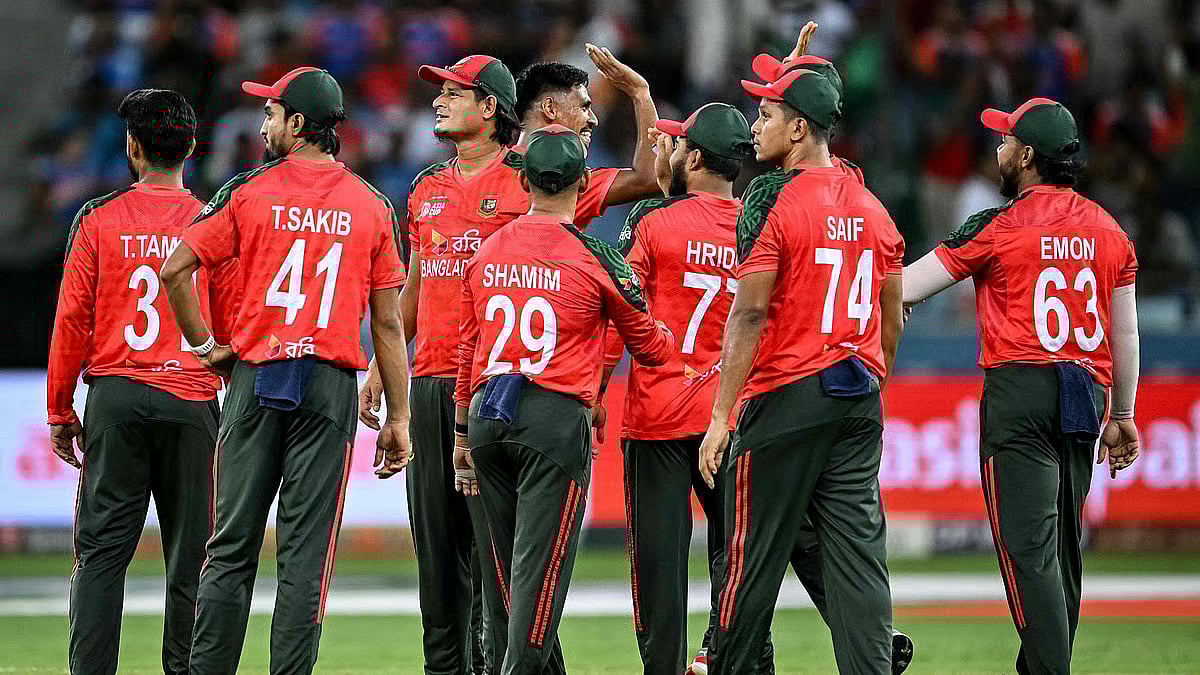
Bangladeshi journalists have claimed they were denied accreditation to cover the ICC Men’s T20 World Cup 2026, adding to the ongoing controversy surrounding Bangladesh’s involvement in the tournament. The event, co‑hosted by India and Sri Lanka, is scheduled to begin on February 7, 2026.
According to The Daily Star reports, around 130 to 150 journalists from Bangladesh applied for media accreditation through the International Cricket Council (ICC) to provide coverage of the World Cup, including matches originally scheduled for Bangladesh before their team’s removal. However, Bangladeshi media say none of the applicants were granted accreditation.

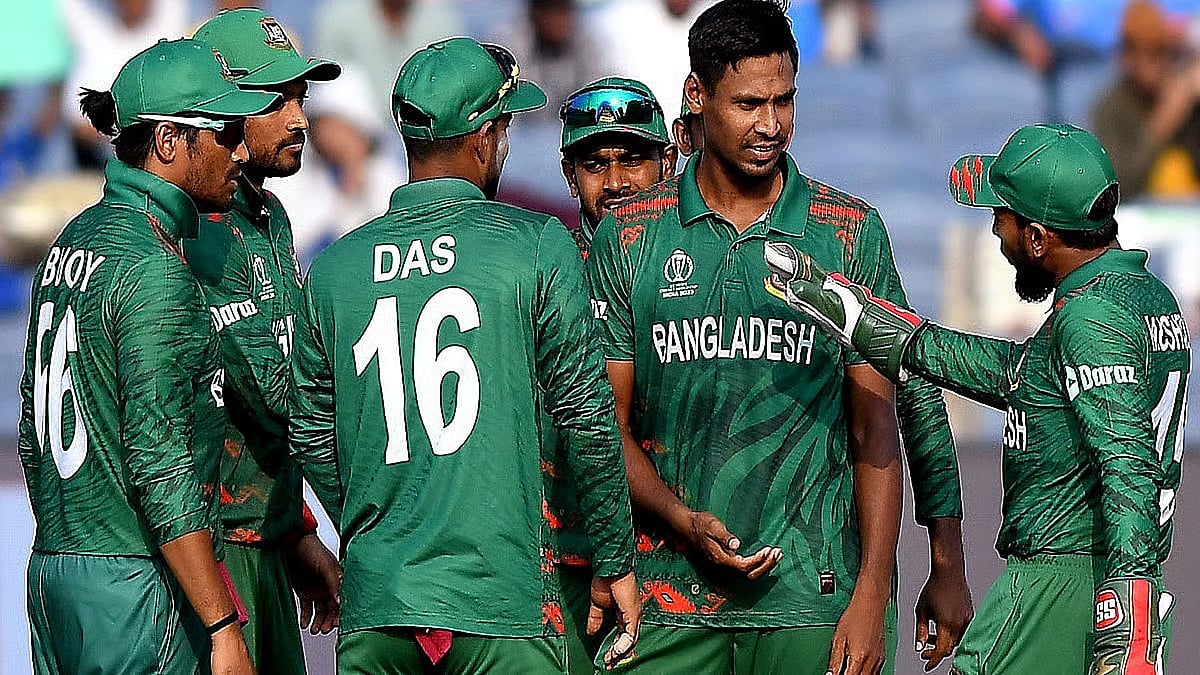
Some photojournalists reportedly received initial approval emails with visa support letters in late January, only to have those approvals revoked later, deepening frustration within the reporting community.
The accreditation issue comes amid broader tensions between the Bangladesh Cricket Board (BCB) and the ICC. Bangladesh was replaced by Scotland in the tournament after it refused to travel to India for its scheduled group stage matches, citing security concerns, a stance that has triggered diplomatic and cricket governance debates.
At the time of reporting, the ICC media department had not publicly responded to the accusations. The unfolding situation has sparked criticism from journalists and observers who say the move could set a concerning precedent for media freedom and access in global sporting events.
Pakistan Announces Squad For ICC T20 World Cup 2026 After Boycott Threats Over Bangladesh Ouster
The Pakistan Cricket Board (PCB) has announced its 15-member squad for the upcoming ICC Men’s T20 World Cup 2026, ending days of uncertainty and international debate surrounding its participation. The development comes against the backdrop of intense controversy triggered by the exclusion of Bangladesh from the tournament.
The controversy began after the International Cricket Council (ICC) decided not to adjust the venue for Bangladesh’s matches in India despite the Bangladesh Cricket Board’s (BCB) request, citing security concerns. When the BCB ultimately declined to travel, the ICC replaced Bangladesh with Scotland in the official World Cup lineup, a rare and dramatic turn of events.
Pakistan’s Stance and ICC Response
Pakistan’s cricket leadership, led by PCB chairman and Pakistan’s Interior Minister Mohsin Naqvi, strongly criticised the ICC’s decision, labelling it unfair and symptomatic of “double standards.” Naqvi publicly backed Bangladesh’s stance and raised the possibility of Pakistan reconsidering its own World Cup participation in solidarity, a comment that momentarily threw Pakistan’s involvement into doubt and triggered broad speculation about the future of marquee matches, including the potential India-Pakistan clash.
The PCB had indicated that Pakistan’s decision to compete would ultimately depend on approval from the federal government, with Prime Minister Shehbaz Sharif’s confirmation pending before a final call could be made.
The turn toward naming the World Cup squad, however, signals that Pakistan intends to stay in the tournament despite earlier diplomatic tension. The selection comes after days of heated debate in cricket circles and beyond with some commentators criticising Naqvi’s rhetoric as excessive and potentially risking Pakistan’s broader bilateral cricketing relations.
Bangladesh’s removal and Pakistan’s response have ignited wider conversations about fairness, governance and politics in international cricket. What began as a scheduling and security dispute has reshaped headlines across the sport, reminding fans and administrators alike that decisions off the field can carry as much impact as those on it.
As the ICC Men’s T20 World Cup 2026 prepares to begin, Pakistan’s confirmed squad ensures the nation will compete on the big stage, even as the controversy lingers and discussions about cricketing equity continue.

