Pune: With drought conditions intensifying amid deficient rainfall and the threat of El Niño, the state government has begun planning water supply for Pune and surrounding districts until August 2027, while the Pune Municipal Corporation (PMC) is expected to consider restrictions on water usage in the coming days.
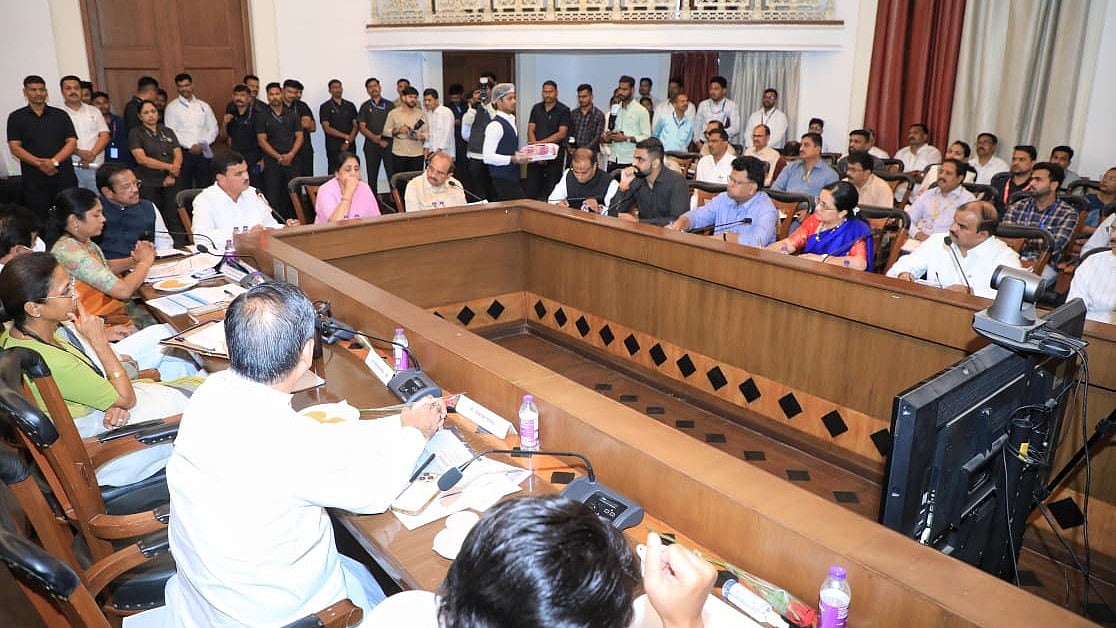
At a canal committee meeting held at the Pune District Collector’s office on Thursday, officials discussed reserving water for drinking and livestock needs, balancing agricultural requirements and curbing the use of potable water for construction.
Deputy Chief Minister Sunetra Pawar, who attended the meeting along with other public representatives, said water management would require coordination between urban and rural areas, particularly farmers and city residents facing the threat of a prolonged drought.
Pawar said, “Due to El Niño, drought-like conditions have emerged, and water needs to be planned until August 2027. The municipal corporation must also plan its water requirements. We need to strike a balance between water for agriculture and drinking purposes.”
She said complaints had been received about drinking water being used at construction sites and indicated that stricter decisions would be necessary. “There are complaints that potable water is being used for construction. Strict decisions will have to be taken, and water other than drinking water should be used for construction activities,” she said.

Pawar added that the administration had been instructed to maintain a 10% water reserve for other requirements this year. She also said water planning would take population migration into account and that the canal committee would meet again in January. Government agencies have been asked to intensify public awareness campaigns on water conservation.
“Water tankers have already been deployed at some places in Pune district. Instructions have been issued to start tanker supply immediately wherever required. Any assistance needed by farmers must also be provided without delay,” she said, adding that the administration would collectively address the drought situation.
Water Resources Minister Radhakrishna Vikhe Patil said, “Pune would receive its allocated 13 TMC of water, while restrictions would be considered to ensure supplies last.” He said the meeting had discussed reservoir storage and the need to sustain water availability until October 2027.

Meanwhile, Pune Mayor Manjusha Nagpure said the civic administration would hold a meeting in the next day or two to decide on possible restrictions.
She said, “Everyone is aware of the possibility of water cuts. The drought situation is severe, and Pune residents will have to cooperate. We will decide on the restrictions after holding a meeting.”
Agriculture Minister Dattatray Bharne said the administration was planning reserves for drinking water for both people and livestock, alongside agricultural requirements. He said drought-related damage assessments were underway, with 97% of panchnamas completed in the areas covered by the exercise, and assured farmers that assistance would be provided.
Bharne said, “The state government stands firmly with farmers. Everyone must come together to face this crisis.”
Sule dissatisfied with water planning
NCP (SP) MP Supriya Sule expressed dissatisfaction with the arrangements, saying the water situation was already serious and the planning had not inspired confidence. She said rainfall had been deficient, leaving farmers struggling and raising concerns about the impact on education and rural livelihoods.
Sule said, “We are not at all satisfied with the water planning. The rainfall has been inadequate, and farmers are facing difficulties. These are major challenges before the state, and we do not want to politicise the drought.”
On Pune’s demand for a larger water quota amid anticipated migration, Sule said both farmers and city residents were entitled to a fair share under the rules. “A farmer has a right to water, and Pune residents also have a right to water. There should be no injustice to anyone while distributing supplies. If this meeting and the planning process had taken place a month or two earlier, perhaps we would not be facing such a major challenge,” she said.
Political reactions to election results
The meeting also saw political reactions to the recent graduates’ and teachers’ constituency election results. Pawar said every election involved victories and defeats and that her party would introspect. “Even after the results are declared, we have to conduct a self-assessment. We will examine where we need to improve,” she said.
Sule thanked voters for the Maha Vikas Aghadi’s victories in three seats and credited party workers for their efforts.
Sule said, “One should not get carried away by success or become disheartened by defeat. I sincerely thank the voters of Maharashtra and every MVA worker.”
Bharne said the Mahayuti had accepted the defeat and would review its performance. Vikhe Patil, meanwhile, said the Special Investigation Team was probing the controversial audio clip involving Chief Minister Devendra Fadnavis.
“The investigation will establish who provided the clip, and the truth will emerge. Fadnavis is my leader, and I do not indulge in dirty politics,” he said.

