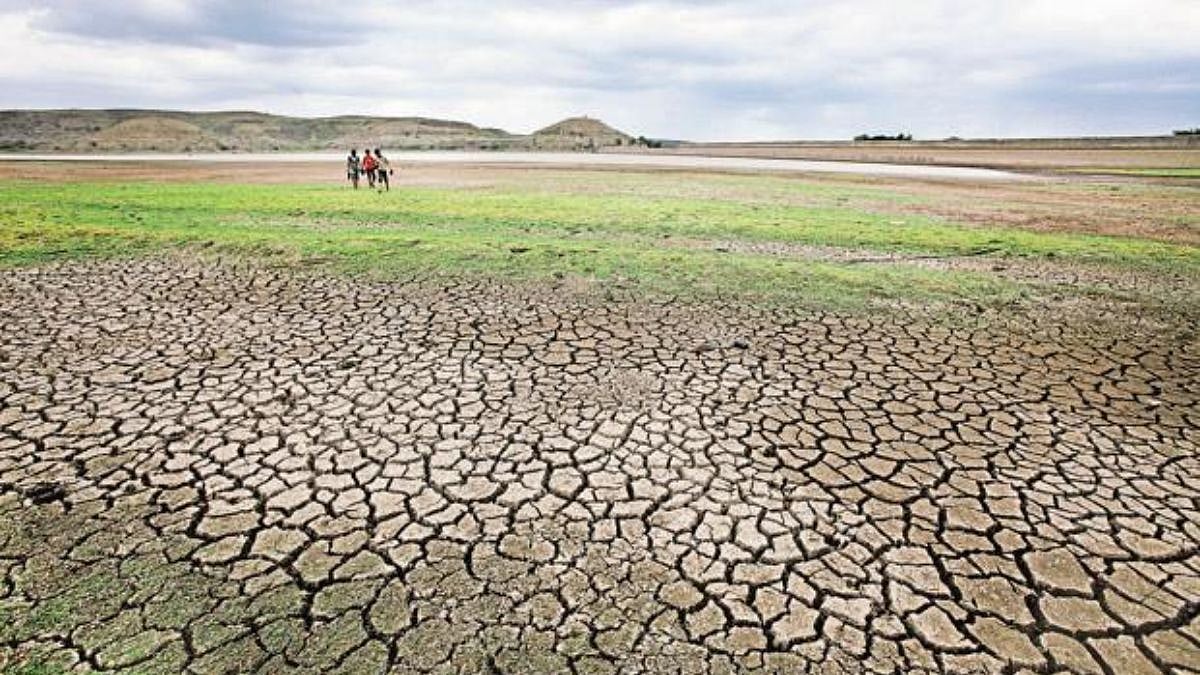
Latur: As Latur in Maharashtra is reeling under drought, the district administration has decided to take step-wise actions, including identification of government wells and borewells, followed by acquisition of these water bodies and roping in tankers if required.
Collector Dr Bharat Bastewad has chalked out a four-pronged plan focusing on drinking water, cattle fodder, employment and revival of existing water sources.
On September 26, the Maharashtra government declared drought in 265 of its 358 talukas, or 74 per cent of the state, amid rainfall deficit and announced relief measures, including crop loan restructuring, land revenue concessions, and power bill subsidies.

Chhatrapati Sambhajinagar division has the highest number of 74 drought-affected talukas, followed by Amravati 56, Nashik 49, Nagpur 39, Pune 35 and Thane 12. One taluka in Raigad, three in Ratnagiri and eight in Sindhudurg have also been included in the list.
Talking to PTI, Bastewad said the administration would first assess the availability of government wells and borewells in every village in Latur, followed by identification and acquisition of private water sources wherever necessary.
If these sources prove insufficient, additional wells and borewells would be considered, followed by deployment of tankers based on the requirement, he said.
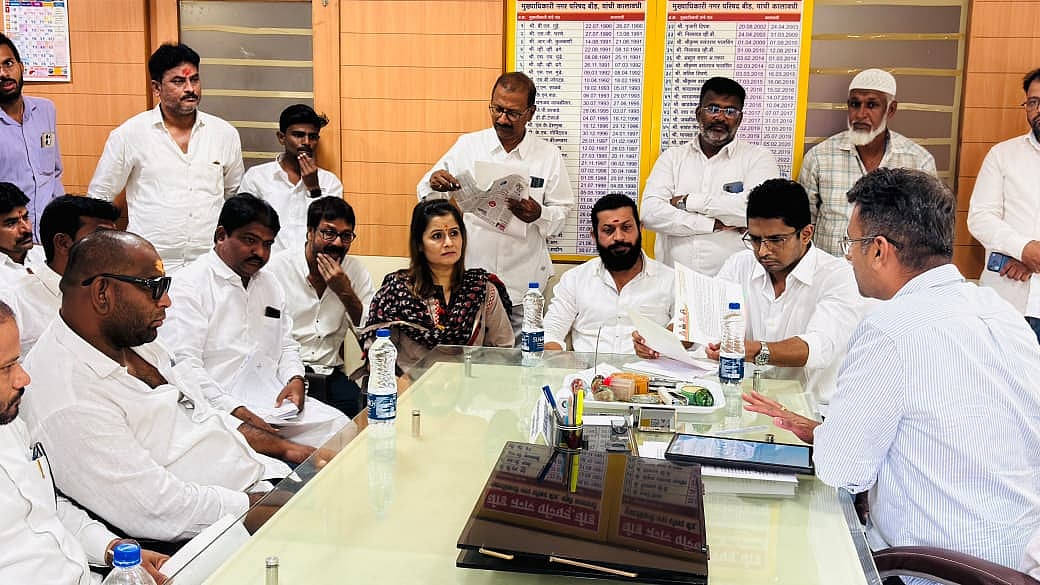
The collector inspected the drinking water situation at Wadwal Nagnath in Chakur tehsil on Tuesday.
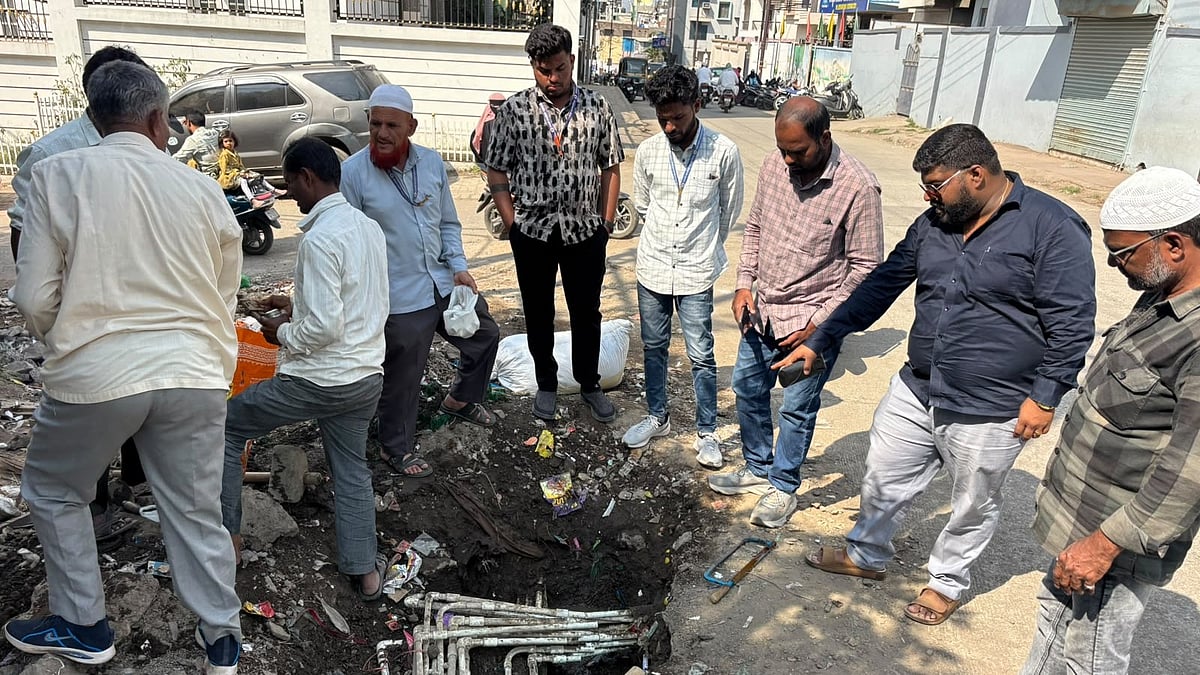
Bastewad said Wadwal Nagnath, with a population of around 15,000, has about 30 borewells within the gram panchayat limits, of which 11 were found to be functioning properly. He said several households also have private borewells.
He said the administration plans to install water tanks at five to six major locations in Wadwal Nagnath and provide taps wherever required. Four persons, along with gram panchayat staff, would be deployed to manage the facilities, with water supplied to residents in two-hour slots.
Bastewad said the administration had also identified additional wells that could be used if the situation worsened and arrangements for tankers would be made if required.
He said the district administration was now preparing a comprehensive contingency plan for Chakur tehsil. "The first step is to assess government wells and borewells, then identify private borewells and acquire water from them wherever necessary. If that is still insufficient, we will explore additional wells and borewells and, thereafter, arrange tankers," he said.
The second component of the drought plan is ensuring adequate fodder for livestock. The administration will collect village-wise data on existing fodder stocks and assess how long they are likely to last, he said.
Bastewad said villagers having access to water could be encouraged to cultivate fodder, while the administration was considering setting up fodder depots instead of relying solely on fodder camps.
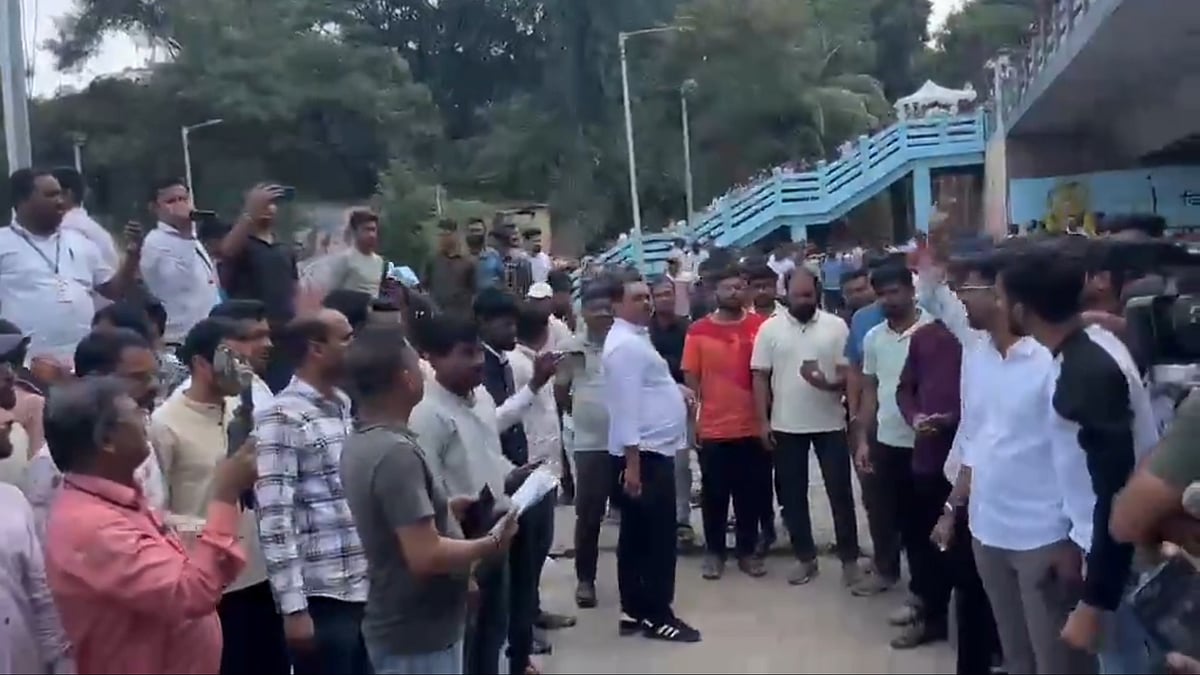
The third focus area is employment under the rural employment guarantee scheme.
Bastewad said pending and anticipated demands for work would be approved so that labourers could get employment locally.
Works would include desilting of tanks and drains, rejuvenation of wells and recharge of old borewells. The administration would also encourage fodder cultivation through available government assistance and employment-guarantee schemes, he said.
The fourth aspect of the plan is strengthening water conservation and source sustainability so that villages do not remain dependent on emergency tanker supplies for prolonged periods, according to him.
(Except for the headline, this article has not been edited by FPJ's editorial team and is auto-generated from an agency feed.)

