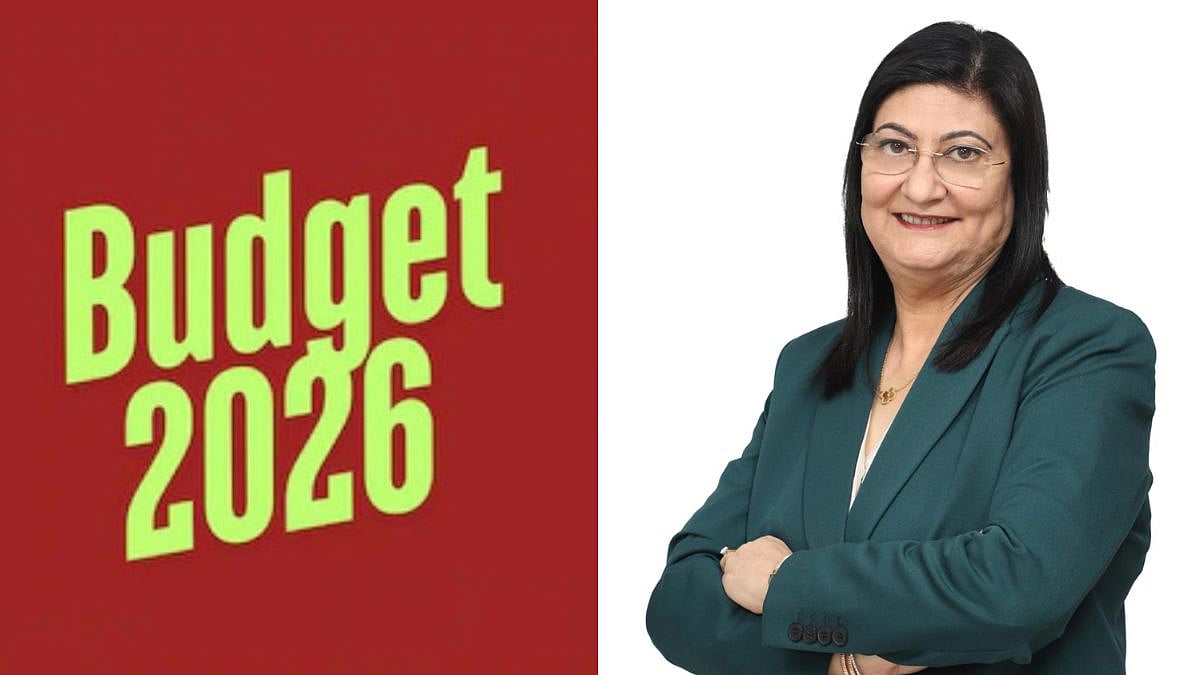
Mumbai, Feb 01: With the Union Budget 2026–27 removing customs duty on critical cancer medicines, the government has taken a decisive step towards easing the financial burden of cancer care—a move that Dr Minnie Bodhanwala, CEO of Bai Jerbai Wadia Hospital for Children, says will directly benefit children, women and families requiring long-term treatment.
Dr Bodhanwala welcomed the Budget and termed it a thoughtful and patient-centric roadmap that directly addresses the healthcare challenges faced by Indian families.
Affordability and access to treatment
She highlighted the removal of customs duty on critical cancer medicines as one of the most impactful announcements, noting that the high cost of treatment remains a major barrier for many patients.
“Greater affordability can significantly improve treatment continuity and outcomes, especially for children, expectant mothers and women living with chronic or complex conditions,” she said, adding that timely access to care can prevent disease progression caused by treatment delays.
Strengthening the healthcare workforce
Dr Bodhanwala also underscored the importance of the government’s emphasis on strengthening the healthcare workforce through the introduction of new allied health disciplines and large-scale training programmes.
According to her, well-trained allied health professionals play a crucial role in supporting doctors and nurses, improving patient safety, and enhancing care delivery across hospitals.
“This investment will help ease the growing pressure on healthcare institutions while improving service quality in both urban and semi-urban areas,” she noted.
Biopharma Shakti and long-term vision
Commenting on the Biopharma Shakti initiative, Dr Bodhanwala said it reinforces India’s long-term healthcare vision by promoting innovation, advanced research and domestic manufacturing. With non-communicable diseases such as cancer, diabetes and cardiovascular disorders accounting for a significant share of the country’s disease burden, she emphasised the need for affordable, next-generation therapies.
“A stronger biopharmaceutical ecosystem will help ensure timely and effective treatment for patients,” she said.
She concluded that the Budget reflects a long-term investment in health as the foundation for resilient families, healthier communities and a stronger nation.
Quotes on post-Budget
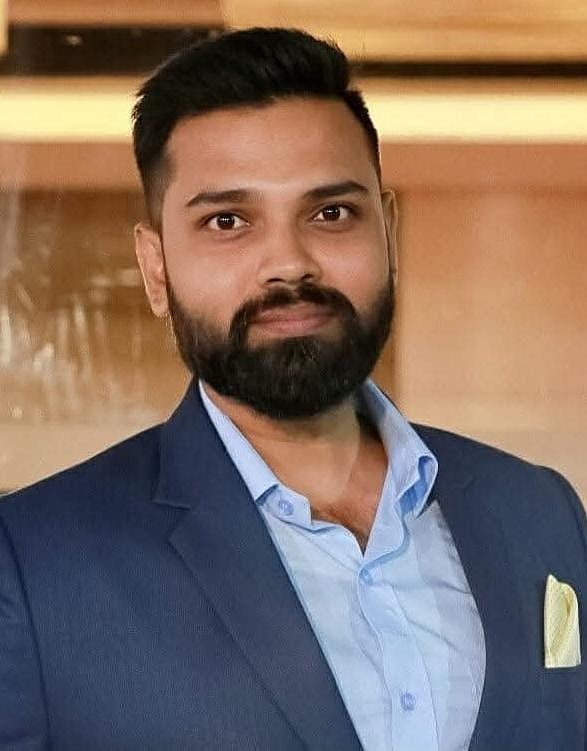
Advocate Tushar Ramesh Bhosale, health activist, Mumbai
With cancer cases on the rise, easing taxes on cancer medicines to reduce their cost was the need of the hour. India is also moving away from reliance on Western allopathic systems towards its own indigenous healthcare practices by promoting AYUSH.
There is a growing reliance on alternative healthcare systems. As a global hub for pharmaceutical industries, India is set to receive a further boost on this front through this Budget.
Soumya Guha Roy
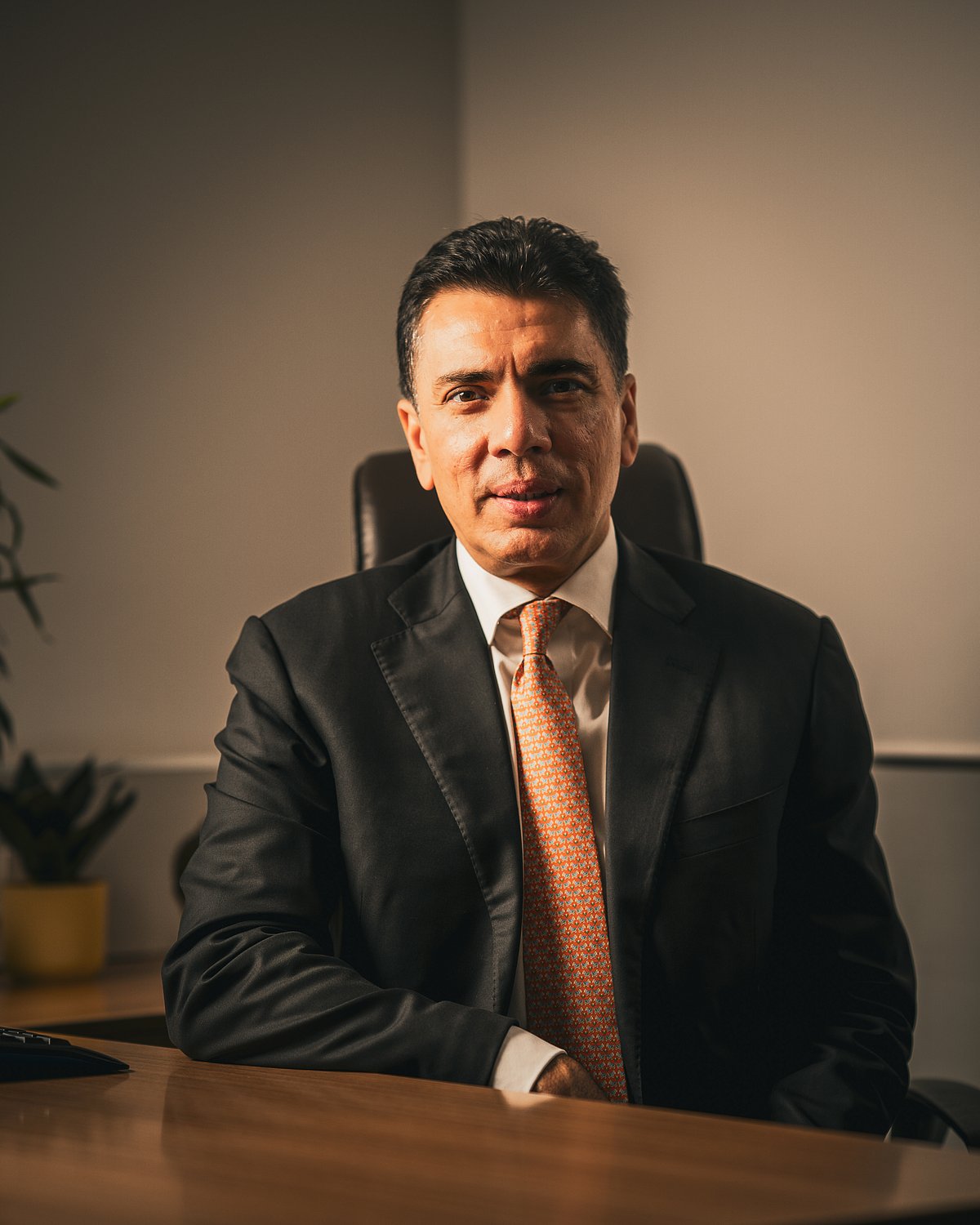
Vishal Bali, executive chairman, Asia Healthcare Holdings
Budget 2026 was expected to drive major healthcare reforms, including a push for medical technology manufacturing. Healthcare allocation rose marginally from Rs 99,858 cr in 2025 to Rs 1,04,599 cr in 2026, keeping public health spending low as a share of GDP.
The Rs 10,000 cr biopharma manufacturing push, medical tourism hubs, AYUSH ecosystem strengthening, and lower import duty on cancer drugs are positive steps, but overall funding still falls short of addressing demand-supply gaps and rising import dependence.
Also Watch:
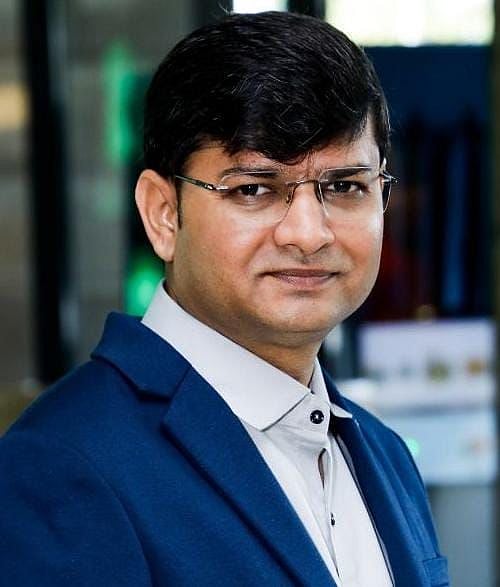
Brijesh Gandhi, partner, NPV & Associates LLP
Establishing dedicated research centres with a specific focus on medical tourism will act as a significant growth catalyst for the healthcare ecosystem.
Such centres are expected to generate substantial employment opportunities across clinical, paramedical, research and allied services, while, more importantly, strengthening India’s position as a global healthcare destination and contributing to sustained foreign exchange inflows.
To get details on exclusive and budget-friendly property deals in Mumbai & surrounding regions, do visit: https://budgetproperties.in/

