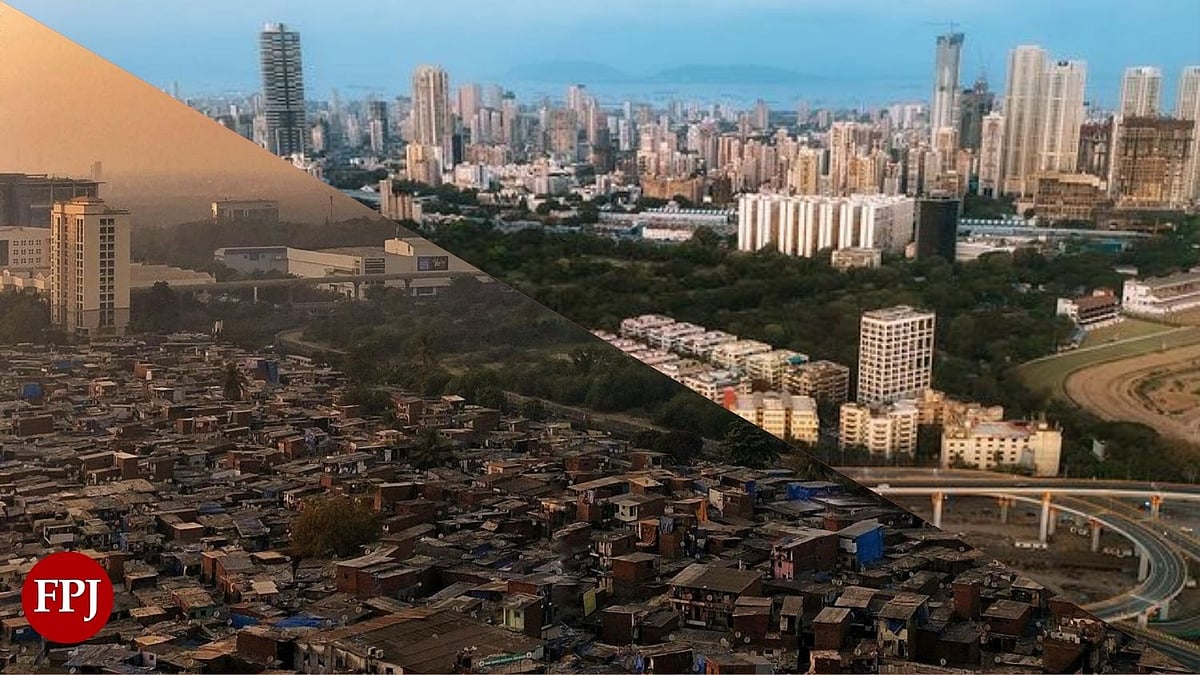
In Mumbai’s western suburbs, Bandra and Khar have always existed in a delicate in-between, not quite old-world, not entirely new. Colonial bungalows sit beside Art Deco walk-ups, while leafy lanes open unexpectedly into some of the city’s most cosmopolitan streets. For decades, these neighbourhoods have attracted residents who value continuity as much as comfort.
Today, as Mumbai confronts the realities of ageing housing stock and growing urban density, luxury redevelopment in Bandra and Khar has emerged as a defining chapter in the city’s residential evolution. What distinguishes this phase from earlier cycles is its intent: redevelopment not as erasure, but as reinterpretation, preserving architectural memory while introducing contemporary standards of living.
Bandra and Khar occupy a rare position in Mumbai’s urban geography. Their proximity to the Bandra-Worli Sea Link, Western Express Highway, and expanding metro network offers seamless connectivity, while their social infrastructure, schools, cultural institutions, promenades, cafés, and independent retail, lends them an almost village-like self-sufficiency.
Yet many residential buildings here are over five decades old. Structural fatigue, outdated services, and inefficient layouts have made redevelopment not merely aspirational, but necessary. What residents increasingly seek is not scale, but quality, homes that respect the rhythm of the neighbourhood while quietly upgrading everyday life.
This has led to a rise in boutique luxury redevelopment projects, often society-led, where architectural sensitivity is valued as highly as amenity provision.
One of the most significant drivers of this transformation has been Maharashtra’s evolving redevelopment framework, particularly incentive Floor Space Index (FSI) provisions under the Housing for All policy and the Development Control and Promotion Regulations (DCPR 2034).
In neighbourhoods constrained by plot sizes, heritage considerations, and high land values, incentive FSI and transferable development rights (TDR) have created a viable pathway for redevelopment. By allowing additional built-up area to offset rehabilitation costs, these mechanisms enable developers to invest in better construction quality, seismic safety, sustainability measures, and shared amenities, without compromising the character of the street.
For long-time residents, this often translates into larger carpet areas, improved light and ventilation, modern services, and enhanced safety, while remaining rooted in the same locality.
Luxury redevelopment in Bandra and Khar today is less about spectacle and more about nuance. Architects and developers are increasingly drawing from the areas’ architectural vocabulary, deep balconies, shaded verandas, landscaped setbacks, and translating them into contemporary forms.
Heritage-sensitive design approaches may include:
Restored or reinterpreted façades
Courtyard planning inspired by older bungalow typologies
Low-density floor plates prioritising privacy
Material palettes that echo the neighbourhood’s past
Modern amenities, wellness spaces, rooftop lounges, smart-home systems, sustainable energy solutions, are integrated discreetly, designed to enhance daily life rather than dominate it.
Across Bandra West and Khar West, several ongoing redevelopments reflect this balanced approach.
In Bandra, select boutique projects are reimagining ageing residential plots into refined, low-key luxury buildings that prioritise proportion and craftsmanship over overt grandeur. Developments such as Palmera exemplify this direction, where contemporary residences are shaped around light, landscape, and privacy, responding sensitively to Bandra’s layered urban fabric.
Similarly, in Khar, redevelopment projects like Luminaara reflect a growing preference for intimate luxury, thoughtfully planned homes that blend efficient modern layouts with the calm, residential character Khar is known for. Here, incentive FSI has enabled better spatial planning, enhanced safety standards, and long-term durability without altering the neighbourhood’s scale.
Redevelopment in heritage-rich neighbourhoods is rarely straightforward. Regulatory approvals, heritage consultations, and achieving consensus within housing societies require patience and transparency. Yet these very constraints often lead to better outcomes, encouraging collaboration between residents, designers, planners, and developers.
As Mumbai’s population continues to grow, the future of luxury housing in areas like Bandra and Khar will likely hinge on sustainability, community engagement, and design-led thinking rather than sheer scale.
The current wave of luxury redevelopment in Bandra and Khar signals a maturing real estate conversation, one that recognises that progress need not come at the cost of memory. With supportive policy frameworks, sensitive design, and informed partnerships, redevelopment can become an act of stewardship rather than replacement.
For residents and societies considering this path, the goal is increasingly clear: homes that feel contemporary, yet familiar, modern, yet deeply anchored in place.
Pantheion Real Estate Developers is a Mumbai-based, design-led redevelopment firm. Through its Insights on Mumbai Redevelopment series, Pantheion explores housing policy, regulatory shifts, and the cultural dimensions of urban transformation. Specialising in luxury and society redevelopment projects across Bandra West and Khar West, the firm focuses on creating modern homes that preserve neighbourhood legacies while enhancing long-term quality of life.

