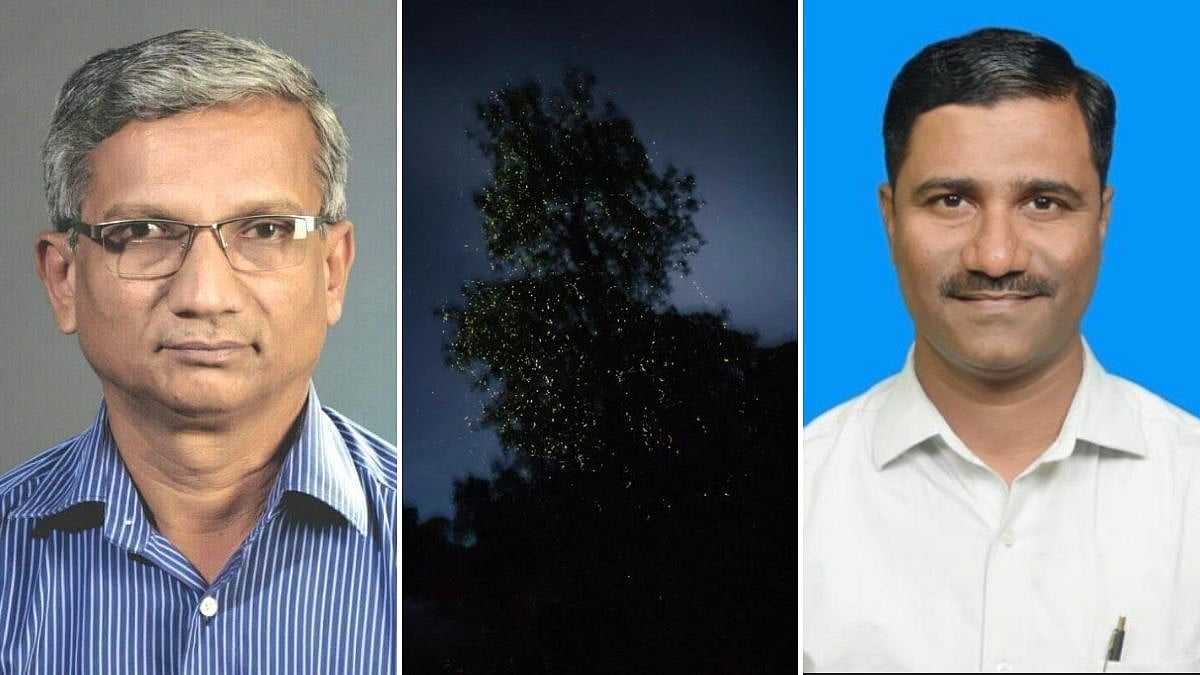
Mumbai: What many consider a magical pre-monsoon attraction has become a matter of concern for environmentalists and experts, who say the growing popularity of firefly festivals in Western Maharashtra is causing significant ecological damage.
Held between mid-May and mid-June, the festivals attract thousands of tourists to forested regions and eco-sensitive zones during the peak breeding season of fireflies. Male fireflies emit bioluminescent flashes to attract females for mating, making this period crucial for their reproduction.
Tour operators advertise firefly-viewing trips in locations such as Bhandardara, Rajmachi-Prabalmachi, areas near Matheran, Purushwadi in Ahilyanagar district, Karjat and Khopoli. Packages range from around Rs 600 for basic sightings to nearly Rs 3,000 for tours that include transportation, camping and other recreational activities.
However, environmental activists and entomologists argue that the large influx of visitors into these habitats disrupts the insects’ breeding cycle and damages fragile ecosystems.

Renowned botanist Dr. Madhukar Bachulkar said fireflies are ecologically important insects that are increasingly threatened by human interference.
“Fireflies are minute insects that contribute to pollination and ecological balance. They are already under threat due to excessive human involvement. While other insects such as mosquitoes and cockroaches continue to thrive, ecologically important species like fireflies are declining. People must understand their responsibility towards the environment and voluntarily avoid disturbing these sensitive habitats. Night safaris in eco-sensitive areas should be prohibited,” he said.
Environmental activist Ganesh Borhade, who has challenged firefly tourism activities before the National Green Tribunal (NGT), alleged that organisers routinely violate environmental safeguards.
“We had approached the NGT, which directed organisers to follow strict norms. However, these norms are rarely implemented. Groups of over 100 people are taken into core forest areas, with little monitoring of visitor numbers or activities,” Borhade said.
According to him, visitors often carry torches and mobile phones into breeding zones, creating artificial light that interferes with the insects’ natural mating process.
“Male fireflies emit light to attract females hidden in forest vegetation. Artificial lights from mobile phones and torches disrupt this process. Many females are also accidentally trampled by visitors. Even promotional photographs released by organisers show the use of artificial lights in these areas,” he said.
Borhade also questioned claims that the festivals primarily benefit local tribal communities.

“Generating livelihoods by destroying nature is not a fair bargain. There is no transparency regarding how much revenue actually reaches local Adivasis. Organisers should identify and cordon off core breeding areas and allow visitors to observe the phenomenon from a safe distance,” he added.
Advocate Maitreya Ghorpade, who represented Borhade before the NGT, described the Tribunal’s intervention as a significant step towards protecting fireflies.
“The NGT’s order in Ganesh Suresh Borhade versus State of Maharashtra recognised fireflies as a species deserving active protection. The Tribunal endorsed recommendations for a Zonal Master Plan for the Eco-Sensitive Zone surrounding the Kalsubai-Harishchandragad Wildlife Sanctuary, directed a halt to activities violating ESZ norms and called for regulation of tourist footfall and vehicular movement during the firefly season,” Ghorpade said.
He added that the order is among the first instances where an Indian court has directly addressed ecological disruption caused by firefly festivals.
Senior entomologist Dr. Uday Kotwal said guidelines issued by the Tourism Department and the Forest Department are often ignored.
Tourists have been instructed not to play music, honk vehicle horns, use mobile phone torches or shine LED lights near trees where fireflies congregate. They are also expected to maintain distance from breeding areas and avoid creating disturbances.
“However, these rules do not appear to be followed in practice,” Kotwal said. “It is difficult to regulate the large number of visitors entering these areas. The disturbance caused by irresponsible tourist behaviour is largely ignored.”
He explained that artificial lights from vehicles, mobile phones and torches interfere with the insects’ mating signals, affecting reproduction and reducing their numbers.

“A decline in firefly populations means the loss of an important link in the food chain. At a time when environmental degradation is already a major concern, this is something we cannot afford. Moreover, indiscriminate littering by tourists causes additional environmental damage,” Kotwal said.
Considering these concerns, Kotwal said firefly festivals should either be discontinued or brought under far stricter regulation to ensure that tourism does not come at the cost of ecological conservation.
To get details on exclusive and budget-friendly property deals in Mumbai & surrounding regions, do visit: https://budgetproperties.in/
