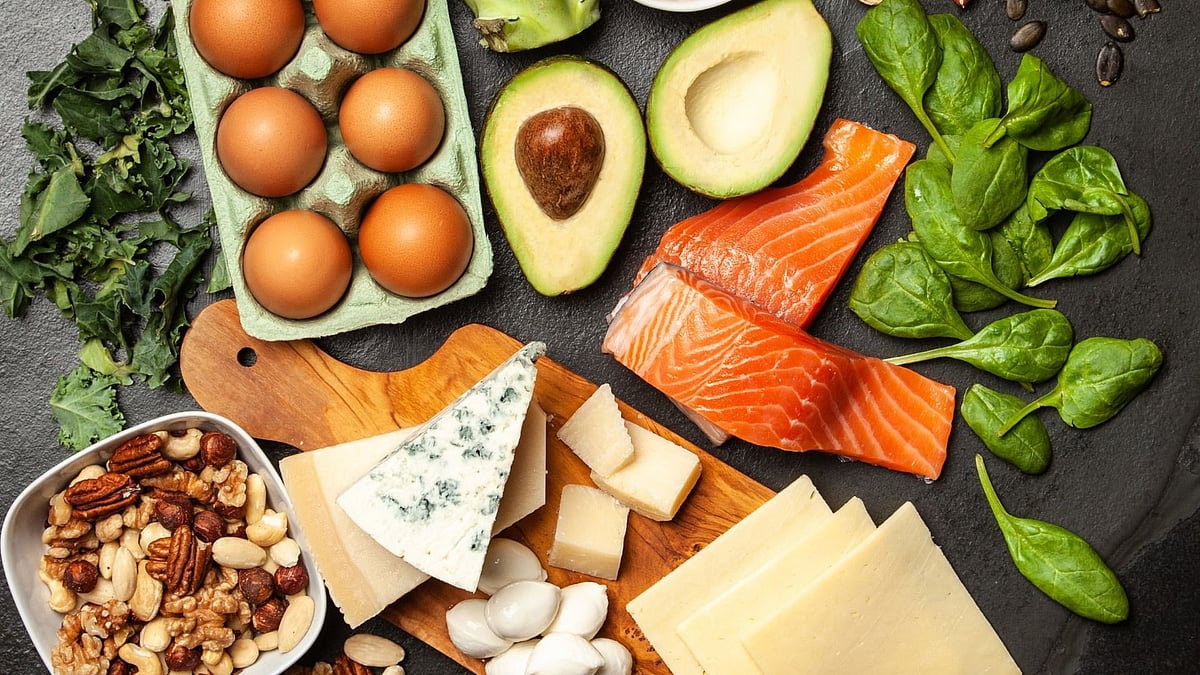
Your heart works around the clock, but taking care of it does not always have to mean making dramatic changes to your routine. Sometimes, it can begin with something as simple as looking at what is on your plate. From a bowl of oats at breakfast to a handful of nuts or a serving of dal, everyday foods can contribute to a heart-friendly eating pattern.
This World Heart Day, the focus is not just on recognising potential warning signs but also on making small, consistent choices that support cardiovascular health.
World Heart Day 2026: Date and theme
World Heart Day is observed every year on September 29. In 2026, it falls on Tuesday and continues the World Heart Federation’s “Don’t Miss a Beat” campaign, centred on the message “Heart Disease Can Hide In Plain Sight: Don’t Miss A Beat.”
The campaign encourages people to recognise cardiovascular disease signs and symptoms, protect heart health and pay attention to risk factors that may otherwise go unnoticed.

Check out foods worth including in a balanced, heart-conscious diet
Leafy Green Vegetables
Spinach, kale and other leafy greens are packed with nutrients and fibre. The National Heart, Lung, and Blood Institute lists leafy vegetables among the foundations of a heart-healthy eating plan. Adding spinach, methi or other greens to everyday meals can be an easy way to increase vegetable intake.

Whole Grains
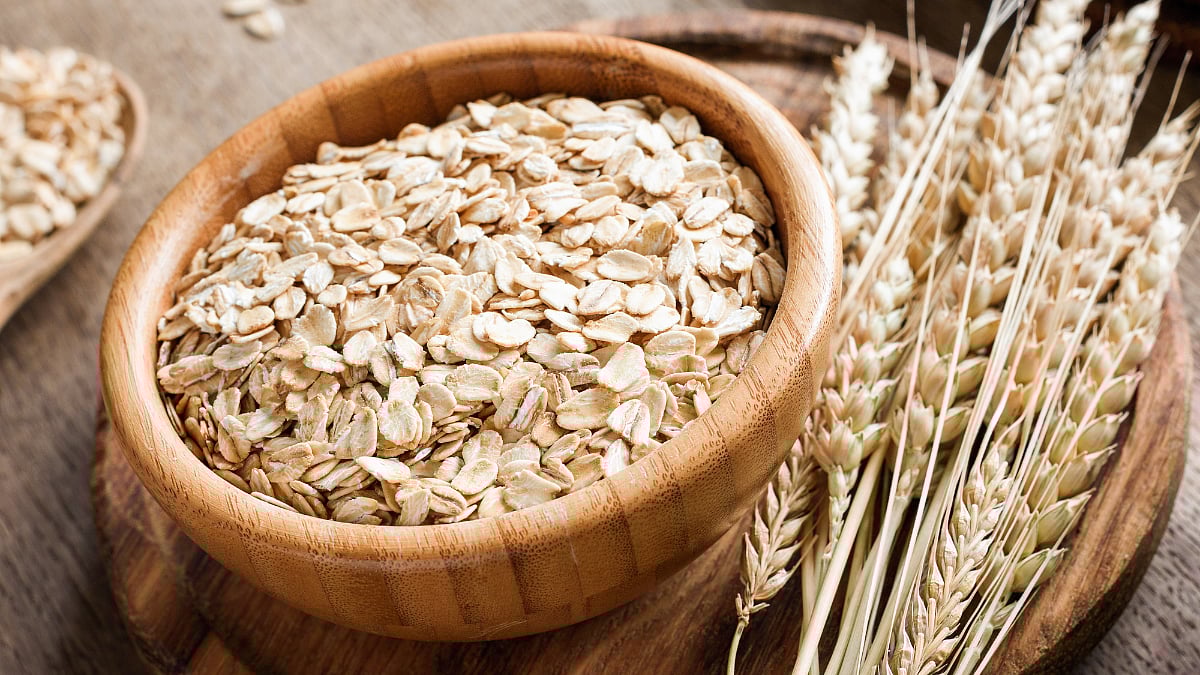
Oats, brown rice and whole-grain breads provide more fibre than refined grains. Several health reports recommends choosing foods made mostly with whole grains, with oatmeal and brown rice among heart-healthy choices.
Fatty Fish
Salmon, sardines, trout and similar oily fish provide omega-3 fatty acids. The American Health Association (AHA) specifically recommends seafood, preferably oily fish, as part of a heart-healthy dietary pattern. For Indian meals, sardines and mackerel can be practical options.

Nuts
Walnuts, almonds and other nuts provide unsaturated fats and can fit into a heart-friendly diet. National Heart, Lung, and Blood Institute (NHLBI) lists nuts and seeds among recommended protein and healthy-fat sources. Choose unsalted varieties more often to keep sodium intake in check.

Beans and Lentils
Rajma, chana, moong, masoor and other legumes provide plant-based protein and fibre. The AHA recommends legumes as part of a healthy eating pattern, while NHLBI also includes lentils, chickpeas and beans among heart-healthy protein choices.
A heart-friendly diet is ultimately about the bigger picture with more vegetables, fruits, whole grains, legumes, nuts and healthy fats, while limiting excess sodium, added sugar, saturated fat and highly processed foods.
Note: Food choices can support cardiovascular health but cannot replace medical treatment. Anyone with heart disease, diabetes, high blood pressure or high cholesterol should follow personalised advice from a healthcare professional.
This article is for informational purposes only and should not be considered a substitute for professional medical advice. Always consult your doctor for any concerns or questions regarding your health or medical condition.

