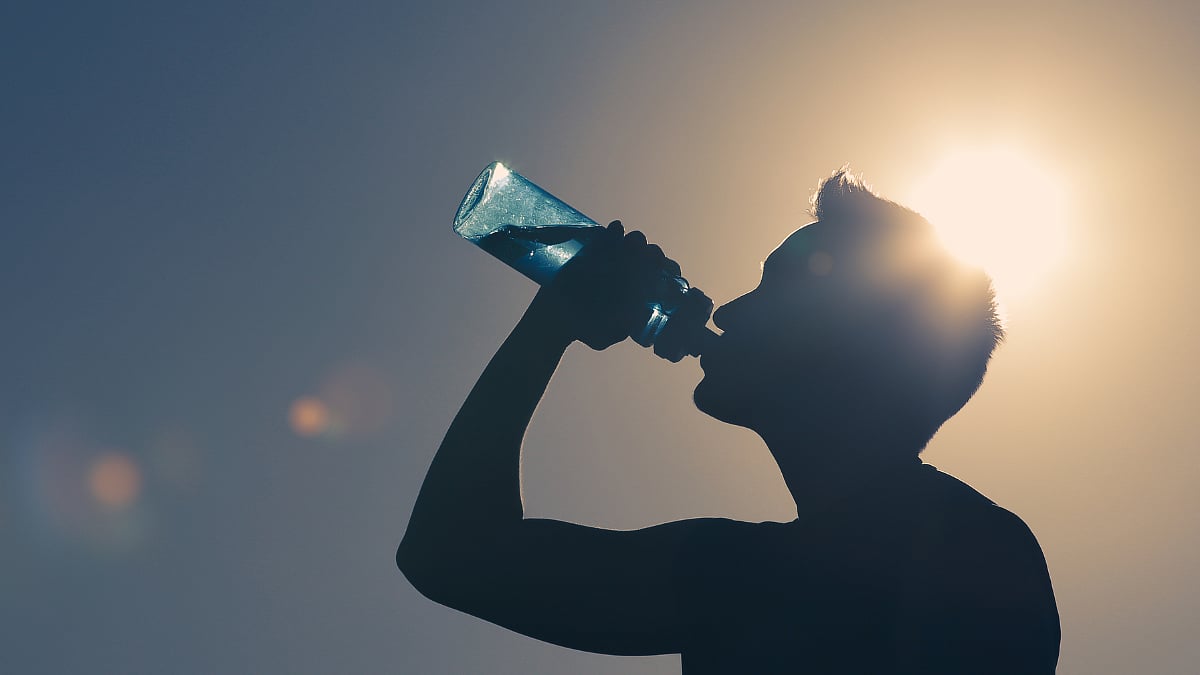
The heatwave has gripped in Maharashtra with the India Meteorological Department issuing an alert for Mumbai, Thane and Palghar regions. A orange alert has also been declared for several other parts of the state, warning residents of rising temperatures and prolonged hot weather conditions.
While many people turn to air conditioners and coolers to escape the scorching heat, experts say maintaining the right diet and hydration levels is equally important during this period.
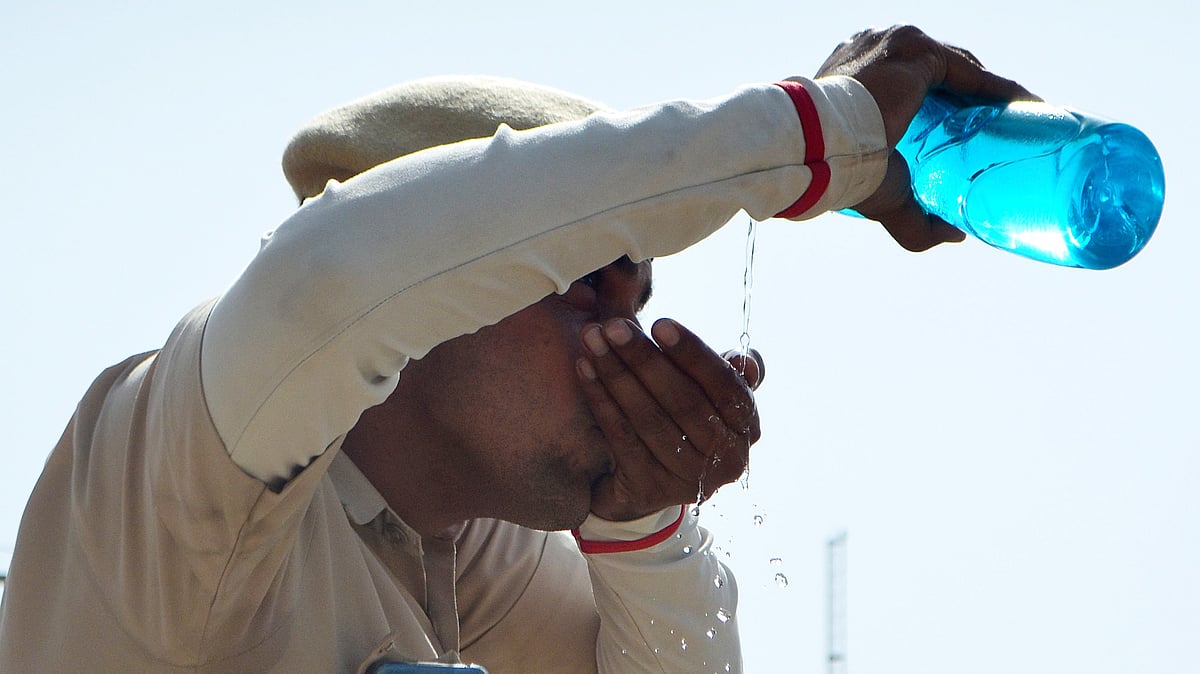
Extreme heat can have several adverse effects on the body, ranging from dehydration to heat stress, and in severe cases can also cause a fatal heatstroke. Health experts emphasise that making mindful choices about what we eat and drink can help minimise these risks.
In a conversation with FPJ, Dr. Vikram Jeet Singh, Senior Consultant, Internal Medicine at Aakash Healthcare, explains which foods help keep the skin naturally hydrated, the drinks that can help restore electrolytes and the dietary choices people should avoid during extremely hot weather.
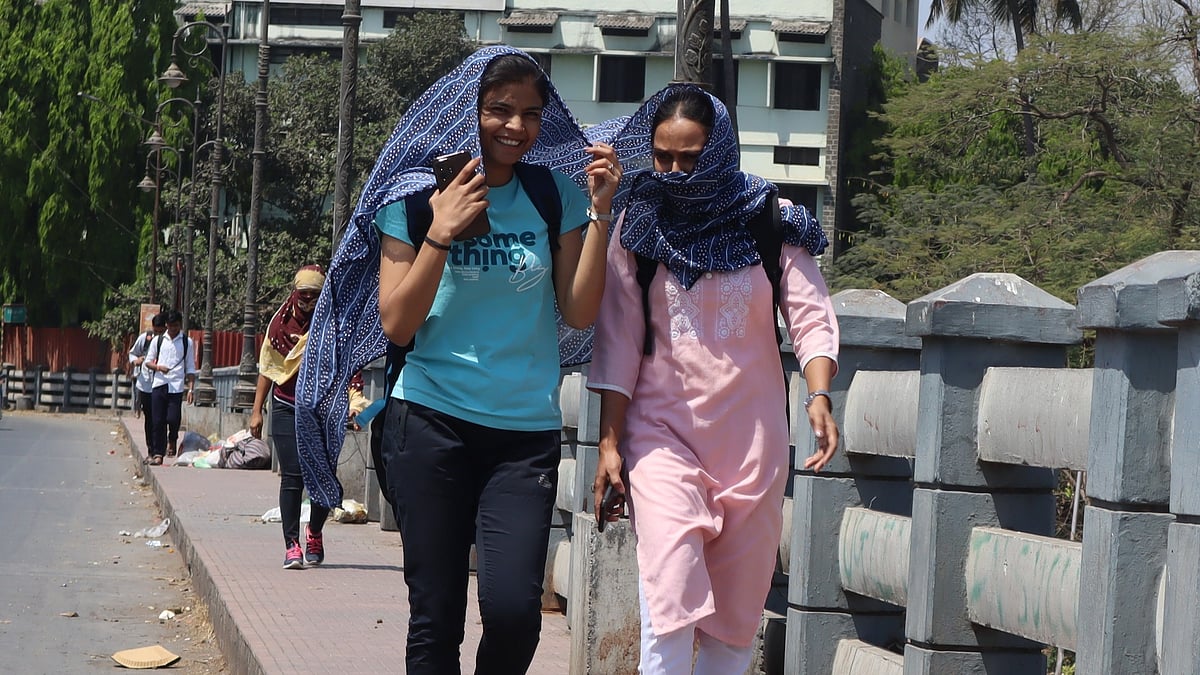
What should one eat when the weather gets extremely hot?
When it's hot, the body sweats and loses vital electrolytes that may influence the condition of the skin and its general health. Foods that contain a lot of water assist in replacing the lost water and also in maintaining the natural moisture barrier of the skin.
Cucumber, watermelon, muskmelon, oranges, tomatoes, and lettuce are especially good since they hydrate the body as well as contain vitamins and antioxidants.
Adding nuts, seeds, curd and coconut water to your day-to-day diet will help keep you hydrated and balance electrolytes. Whole grains and fresh salads will help provide continuous energy.
Are there specific fruits, vegetables or drinks that a dermatologist would recommend during a heatwave to protect skin health?
Eating during a heatwave is significant to ensure that the skin is not dehydrated. Watermelon, papaya, oranges, berries and pomegranate have a high percentage of water and also contain Vitamin A and C, as well as antioxidants, which make the skin stay hydrated and overcome the oxidative stress of the sun.
Vegetables as cucumber, bottle gourd, spinach and tomatoes can also be beneficial as they contain hydration and the necessary minerals.
Coconut water, lemon water, buttermilk and water infused with fresh fruits will assist in restoring electrolytes and maintaining fluid balance within the body.
The use of herbal beverages like mint or coriander-infused water can also come in handy in offering a cooling effect. Such natural food and beverages can be used to maintain regular hydration and make the skin healthy, decrease the degree of dryness and assist the body to adapt to the extreme temperatures.

How does dehydration affect our skin and what are the early signs people should watch out for?
The loss of water may have a considerable influence on the skin since sufficient levels of water are necessary to preserve skin elasticity, barrier performance and the general appearance of the skin.
In case the body sweats too much because of heat, the skin can dry off, lose elasticity and become more susceptible to irritation or tenderness. It is possible that environment-induced stressors like heat and pollution can damage the skin, as the natural system of defenses can be easily compromised.
Dehydration manifests itself through the skin at an early stage, even before the other symptoms are felt. These can be dryness, dullness, tightness or even sensitivity. Lips can get chapped. The skin can turn rough or itchy. These changes may be accompanied by reduced sweating and fatigue, as well as dark-colored urine, which points to the fact that the body needs more fluid to be taken and be hydrated.
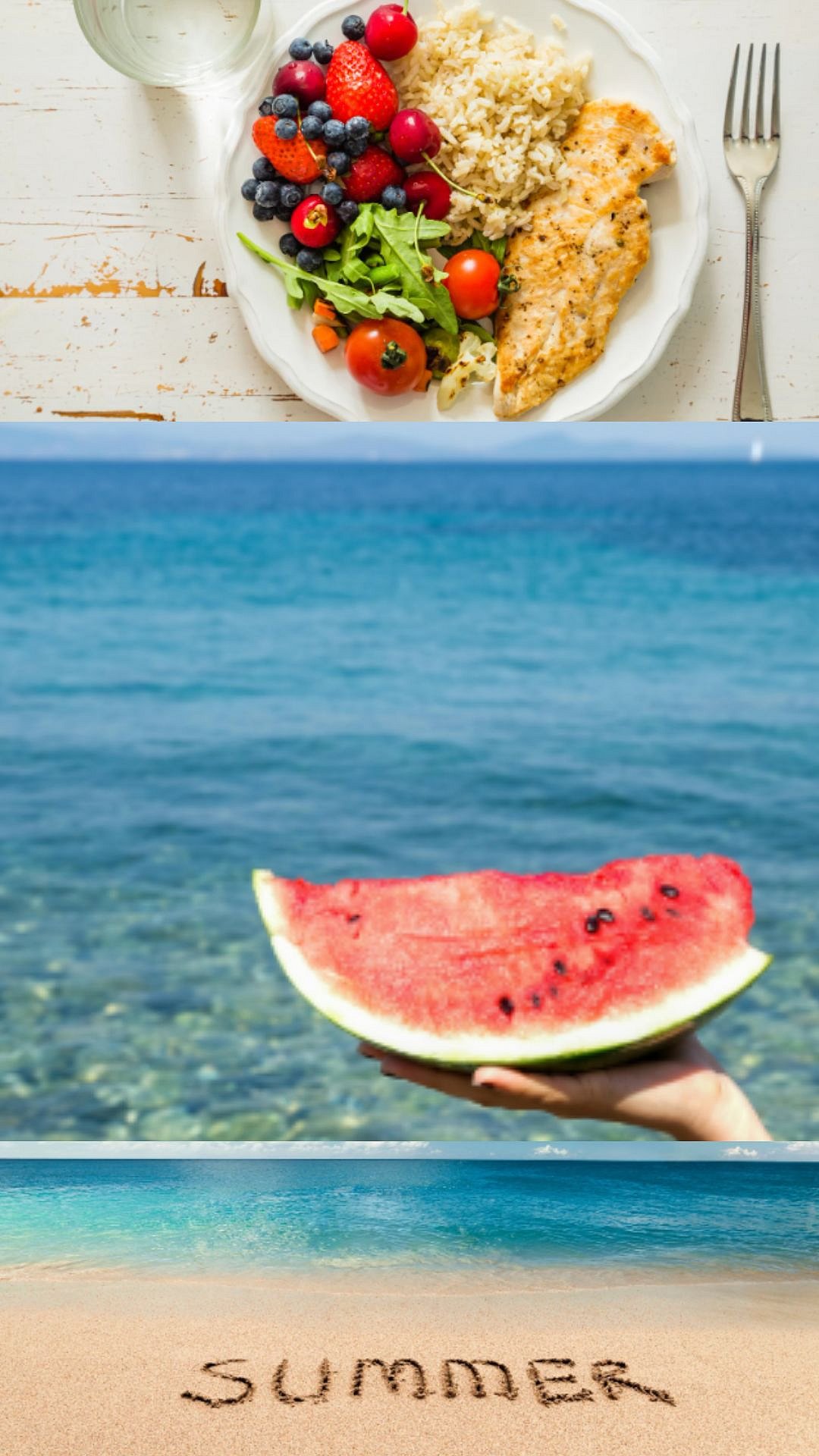
Are there certain foods or beverages, like caffeine, fried food, or sugary drinks, that people should avoid during a heatwave?
Some foods and drinks might only exacerbate dehydration and raise internal heat in a heatwave and this can be bad for skin health.
Overconsumption of caffeine in the form of coffee, energy drinks or high-strength tea can lead to loss of fluid in certain people, thus making it difficult to remain hydrated in extreme weather.
Sweetened beverages like sodas and packaged juices can also cause short-term blood sugar surges and do not promote efficient hydration.
Fried, oily, processed food can also cause more inflammation and can also cause digestion to be more strenuous during hot weather. The foods may also lead to skin problems like acne or dullness under regular consumption.
Including fresh fruits, vegetables, whole grains and hydrating drinks are more appropriate during the heatwave and they can keep one hydrated, aid metabolism and help you with healthier skin.
Want to take a break from the news? Play our games on game.freepressjournal.in

