Every week, I sit with parents who ask me some version of the same question:
“Why is my child falling sick so often?”
A cold turns into a cough. One fever fades, and another arrives. School days are missed, and antibiotics or syrups slowly become routine in the house. Yes, pollution is worse, food is more adulterated, and viruses seem to be everywhere. But that is only part of the story.
The real question is: What does a growing immune system actually need to become wiser and stronger over time?
Your child’s immunity is not damaged or defective. It is still maturing. And just like a muscle, it doesn’t develop by being bubble-wrapped. It grows through the right mix of exposure, recovery, and everyday support.
A different world
Childhood today looks very different from what many of us experienced.
Air quality is poorer in many cities; polluted air irritates young lungs and is linked to more respiratory infections and inflammation.
Food is often highly processed, with emulsifiers, preservatives, excess sugar, and fake or adulterated ingredients that can disturb the gut microbiome and metabolic health.
Screen time has replaced a lot of outdoor play. Fast-paced content, constant notifications, and overstimulation affect attention, mood, and emotional regulation.
On top of that, many children carry invisible stress: academic pressure, comparison, social media, and tension at home. Their nervous systems are on high alert, but their bodies are still expected to eat well, sleep well, perform well, and rarely fall sick.
Calm and even moments of boredom are not problems. Research by the American Psychological Association (APA) on unstructured time suggests that when children are allowed to pause, daydream, and play freely, the brain’s default mode network activates, supporting creativity, emotional processing, and integration of experiences.
Illness does not equal weak immunity
One of the first myths I like to correct for parents is this: Falling sick does not automatically mean your child has ‘poor immunity.’
When children come in contact with viruses and bacteria, the immune system is practising. Each infection is like a ‘class’ where the body learns to recognise, respond, and remember a threat more efficiently the next time.
The problem begins when this learning happens in a body that is already tired, poorly nourished, overstimulated, or emotionally unsettled.
It is the environment we’ve created around it:
Constant sanitiser use and fear of germs
Less outdoor play and more indoor screens
Overuse of ultra-processed snacks
Academic and social pressure at younger ages
All of this can confuse the immune system, leaving it either overreactive (allergies, frequent flare-ups) or underprepared.
The goal is not to isolate children from the world, but to help them live in better rhythm with it.
Where Immunity Truly Begins: Safety and Connection
Before we talk about food or supplements, we must acknowledge something simple and powerful: A child’s first immunity is emotional safety.
Children need your presence more than your products:
Your eye contact when they talk
Your arms around them when they feel unwell
Your calm voice saying, “I’m here, you’re safe, we’ll handle this together.”
Touch settles their nervous system. A regulated nervous system supports better sleep, digestion, and recovery. A rushed “You’re fine, stop crying” does the opposite; it tells the body to stay in defence mode.
You can build emotional safety by:
Having small daily check-ins: “How was your day? What was the best part? The hardest part?”
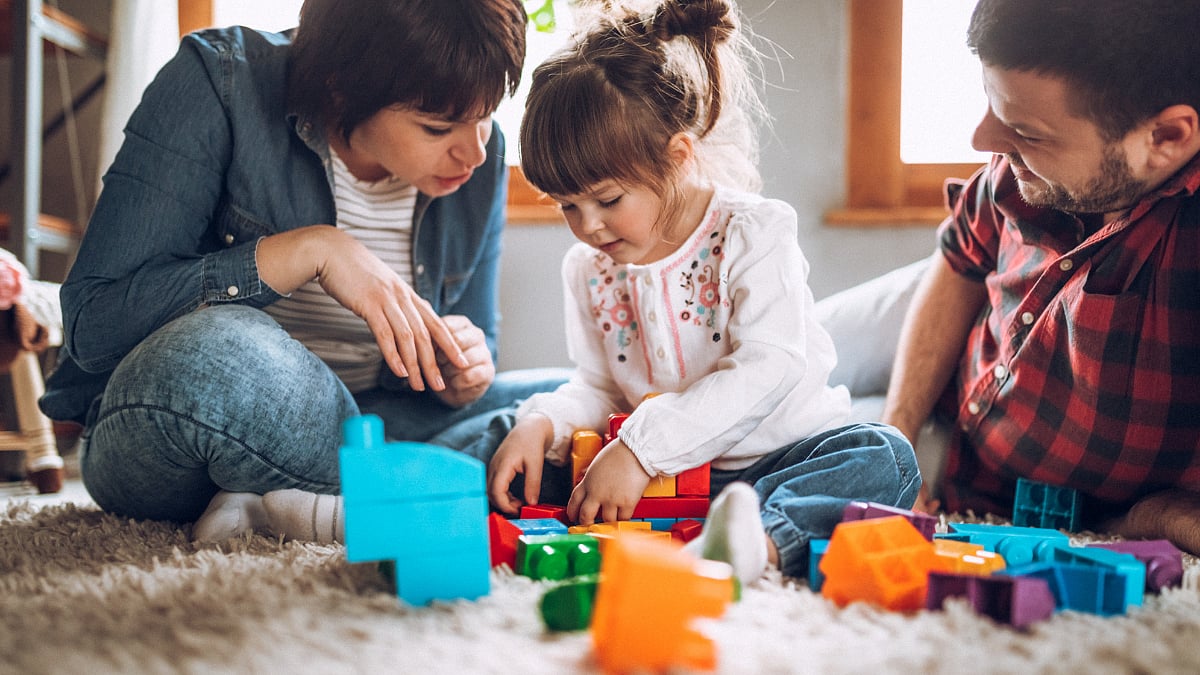
Creating simple bedtime rituals: stories, cuddles, or gratitude sharing
Teaching gentle self-talk: “My body is strong,” “I am healing,” “I’m safe and loved.”
When children feel seen and soothed, their biology shifts from fight or flight to rest and repair. That’s when real healing happens.
Foundations of immunity
Think of your child’s immune health as a house built on a few essential pillars. When these are steady, everything else becomes easier.
Nature’s repair schedule
Sleep is not just downtime. During deep sleep, children:
Reset stress hormones like cortisol
Consolidate immune memory (the body remembers germs it has met)
Repair tissues and grow
No syrup can substitute a stable sleep routine.
Simple ways to support it:
Fix a roughly consistent sleep–wake time, even on weekends
Keep screens out of the bedroom at night
Build a wind-down ritual: warm bath, light stretching, gentle story instead of last-minute homework or reels
A well-rested child usually falls sick less often and recovers faster. If your child has persistent sleep issues, snoring, breathing pauses, or very restless sleep, speak to your pediatrician for a deeper evaluation.
Gut health
Nearly 70% of immune cells reside in the gut. That makes digestion and food quality non-negotiable.
Helpful everyday foods include:
Homemade curd or unsweetened yoghurt
Fermented drinks like kanji or buttermilk
Lentils, dals, and pulses
Seasonal fruits and vegetables
Whole grains instead of only refined flour
These feed the friendly bacteria that help the immune system decide what to attack and what to ignore.
If your child has chronic constipation, diarrhoea, bloating, or suspected intolerances, do not experiment randomly. Consult your pediatrician or a qualified nutritionist and, if needed, get basic bloodwork and tests to check for deficiencies or underlying conditions.
Deep cellular nutrition
Immunity is not built from one fruit or one supplement; it is built from overall nourishment. Instead of chasing the latest superfood, focus on variety:
Vitamin C and antioxidants: Amla, guava, citrus, berries, tomatoes
Protein: Dals, chickpeas, paneer, eggs, fish (where culturally appropriate)
Healthy fats: Walnuts, coconut, ghee, seeds
Minerals like zinc and iron: Pumpkin seeds, lentils, leafy greens
A child who eats mostly colourful, home-cooked food with enough protein and good fat is better equipped to fight infection than a child living on packaged snacks plus a multivitamin.
Disclaimer: Always check with your child’s doctor before introducing new foods, supplements, or herbal preparations, especially if they have allergies, chronic illness, or are on medication.
Sunlight, soil, outdoor play
Children were not designed to grow up only under tube lights and air-conditioning. Their immune systems learn from the world around them.
Time outside offers:
Natural Vitamin D from sunlight
Mild exposure to dust, soil, and microbes that train immunity
Movement, coordination, and better sleep later at night
Let them:
Walk barefoot on safe ground or grass
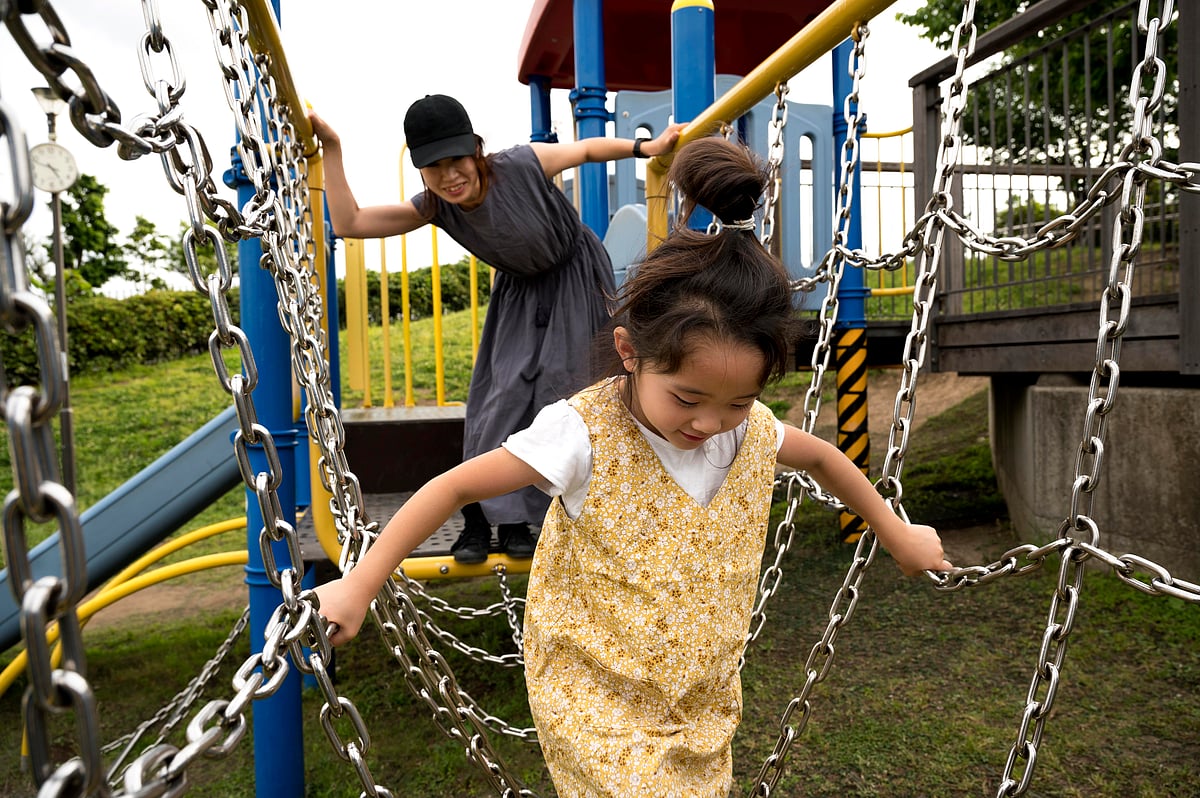
Climb, run, and play with peers
Help water plants or care for a pet
These small experiences build resilience, not fragility.
If your child has asthma, a chronic cough, or breathing issues, follow your doctor’s respiratory care plan strictly and review it before the seasons change.
Emotional health
Stress is not just an adult problem. Children feel it, too: through academic load, comparison, bullying, or tension at home. Chronic stress can:
Disturb sleep
Upset digestion
Lower immune response
Support emotional health by:
Protecting at least some unstructured playtime daily
Avoiding constant criticism or comparison with siblings or peers
Modelling healthy coping yourself (not reaching for your phone every time you’re overwhelmed)
Laughter, silliness, board games, dancing in the living room; these are not extras. They are part of a healthy, regulated childhood.

Hydration and clean air
Water is the transport system of the body. Adequate fluids help circulate immune cells, carry nutrients, and flush waste. Encourage:
Plain water, coconut water, or fresh unsweetened sherbets
Less reliance on colas, packaged juices, and energy drinks
Air quality is equally important, especially for children with allergies or asthma. You may not control the city’s pollution, but you can:
Avoid outdoor play at peak traffic or very high AQI times
Ventilate rooms when the air quality is better
Keep indoor dust, incense, and smoke to a minimum
Use an air purifier in the child’s room if possible
Small changes here can mean fewer respiratory infections and wheezing episodes.
Making habits stick (without a daily battle)
Children rarely follow lectures, but they almost always mirror behaviour. If you want habits to last, model the same behaviors and habits you want them to pick up. This may look like:
Eat the same real food you want them to eat
Put away your own phone during family meals
Join them for an evening walk instead of sending them alone
Turn health into play:
Make water ‘taste better’ in a colourful bottle or special cup
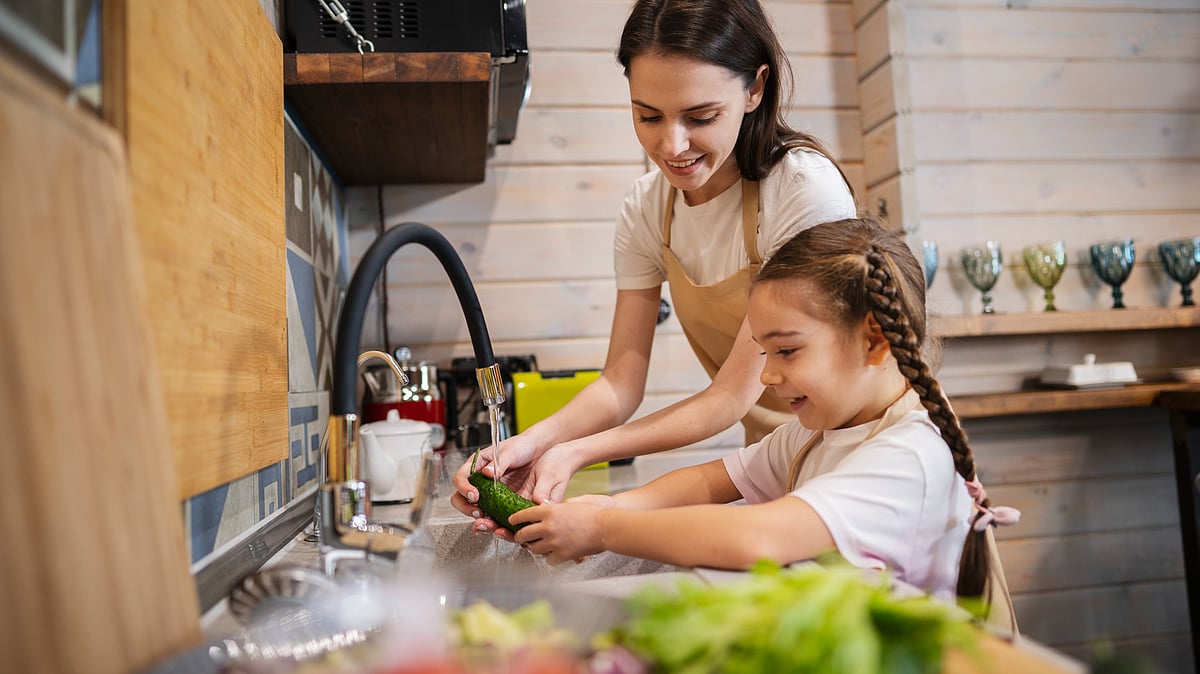
Let them choose a vegetable of the day and help wash or stir it
Turn bedtime into connection time, not punishment time
You don’t need perfection. What matters is pattern, not the occasional birthday cake or pizza night. If the base is strong most days, the body can handle treats without crashing.
Immunity is built over seasons, not in a weekend
Your child’s immune system is a work in progress. Occasional infections are part of that learning curve, not a sign that you have failed as a parent.
What truly shifts their resilience is not one tonic, one superfood, or one supplement, but the environment you create around them, day after day:
Predictable sleep
Simple, nourishing meals
Time in sunlight and nature
Emotional safety and affection
Space to play, laugh, and just be children
There is no magic shortcut. But there is a clear path. Every small step – one extra glass of water, one less packet of junk, one bowl of curd, one story read with full attention – teaches your child’s body the same message:
“You are supported. You can heal. You can grow strong.”
(Luke Coutinho, Integrative Lifestyle Expert)

