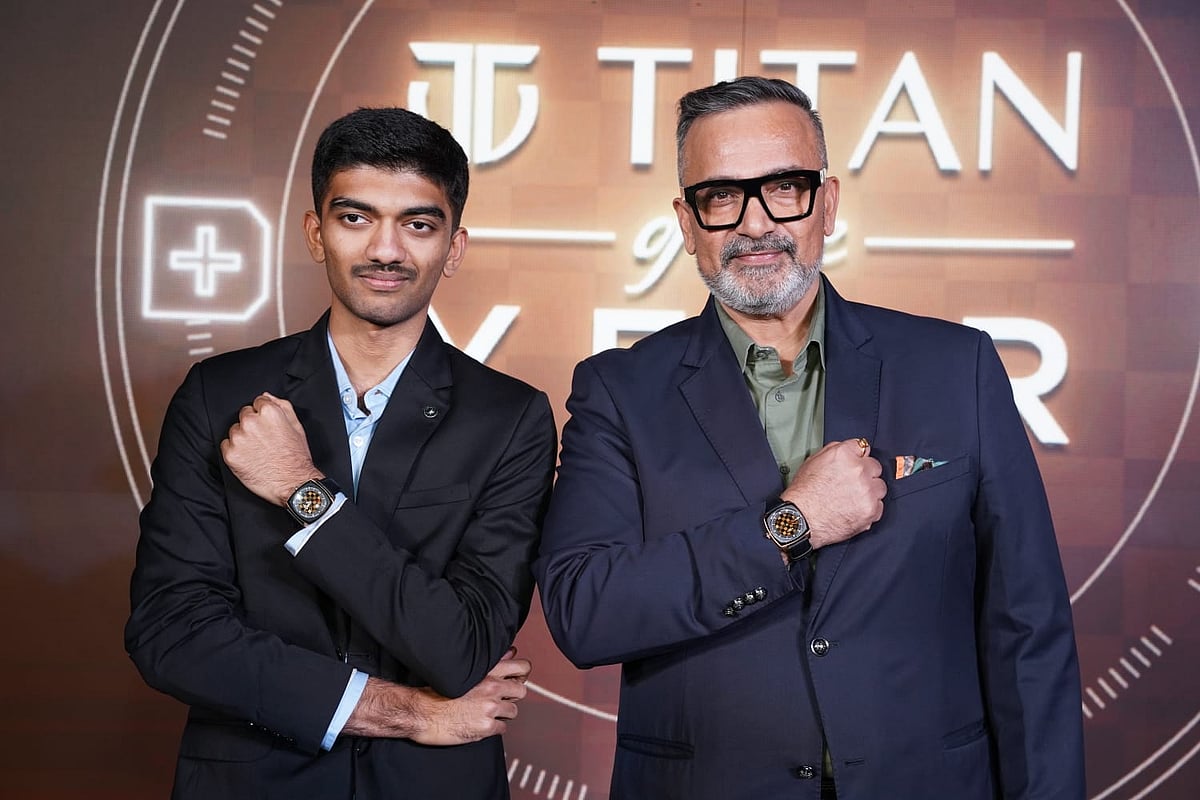
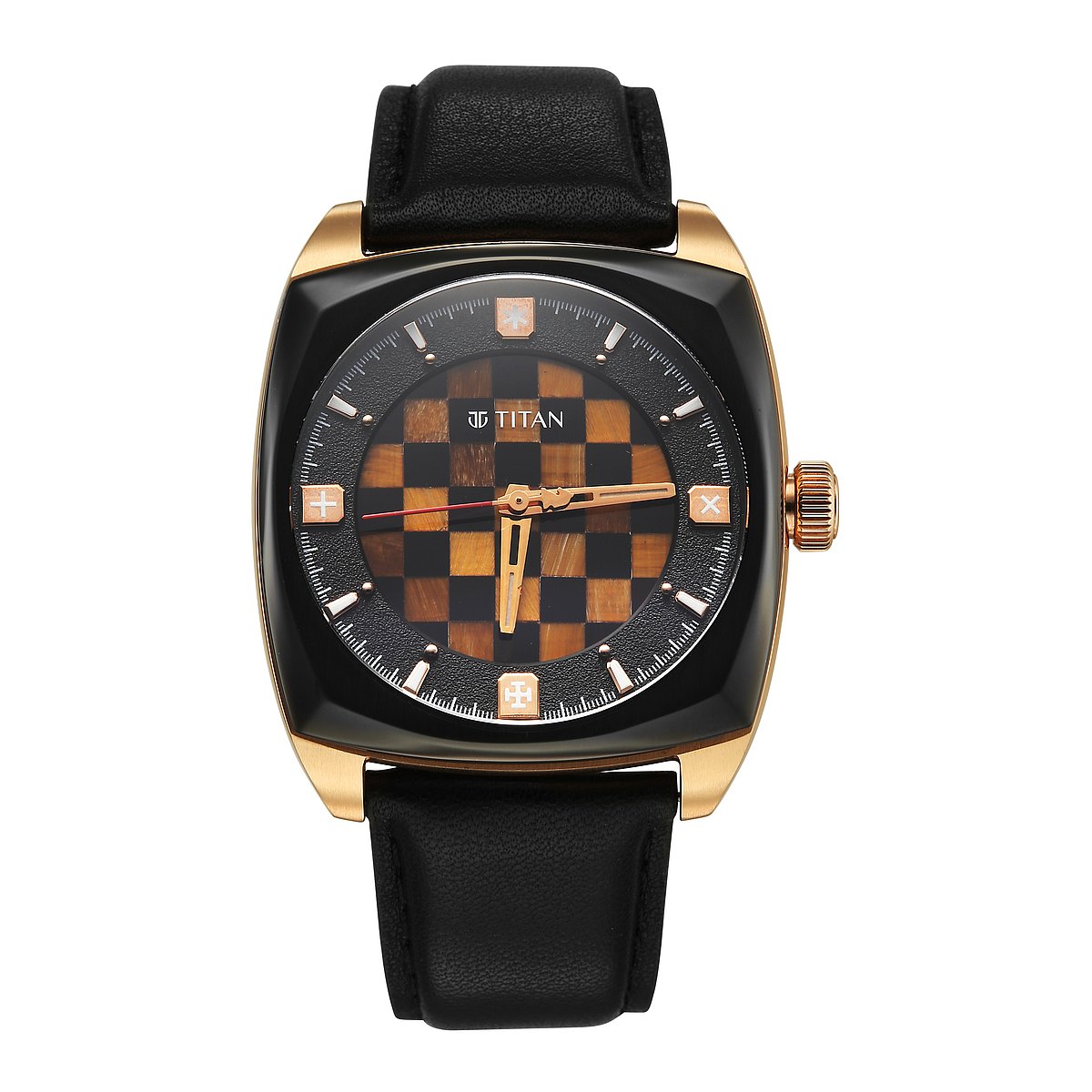
Extending its philosophy of Indian in spirit, global in execution, Titan Watches has announced the second edition of “Titan of the Year”, a platform that celebrates individuals whose journeys challenge convention, set new benchmarks of mastery, and contribute to India’s growing global stature. The 2026 edition honours Grandmaster Gukesh Dommaraju, the youngest world chess champion in history, at just 18. From becoming the third-youngest grandmaster (2006) to winning gold at the Chess Olympiad (2022) and becoming the youngest-ever Khel Ratna Awardee (2025), his journey is defined by fearless strategy, calm precision, and sustained excellence at the highest level. Recently named Titan of the Year by Titan, the Chennai-born prodigy now has a timepiece inspired by his success—an exclusive 500-piece limited-edition timepiece launched in Mumbai. Explaining Titan’s decision to honour Gukesh after Wing Commander Rakesh Sharma, Rahul Shukla, Chief Sales and Marketing Officer, Titan Watches, says, “Gukesh was a natural choice for Titan as he represents a new generation of Indian achievers succeeding on global stages, and his achievements aligned with the brand’s ‘Made in India’ narrative. Like Rakesh Sharma, he embodies global impact, domain excellence, intellectual curiosity, and values such as integrity and humility, core criteria for the Titan of the Year platform.” Speaking about the special timepiece dedicated to the youngest world chess champion, Sharma shares, “The watch translates chess strategy into horology through a marquetry dial in tiger eye and black agate, indices inspired by chess pieces, and a rotor engraved with a Grandmaster Knight and Gukesh’s milestone. Limited to 500 pieces and powered by an in-house automatic movement, it reflects precision, discipline, and collectability.”
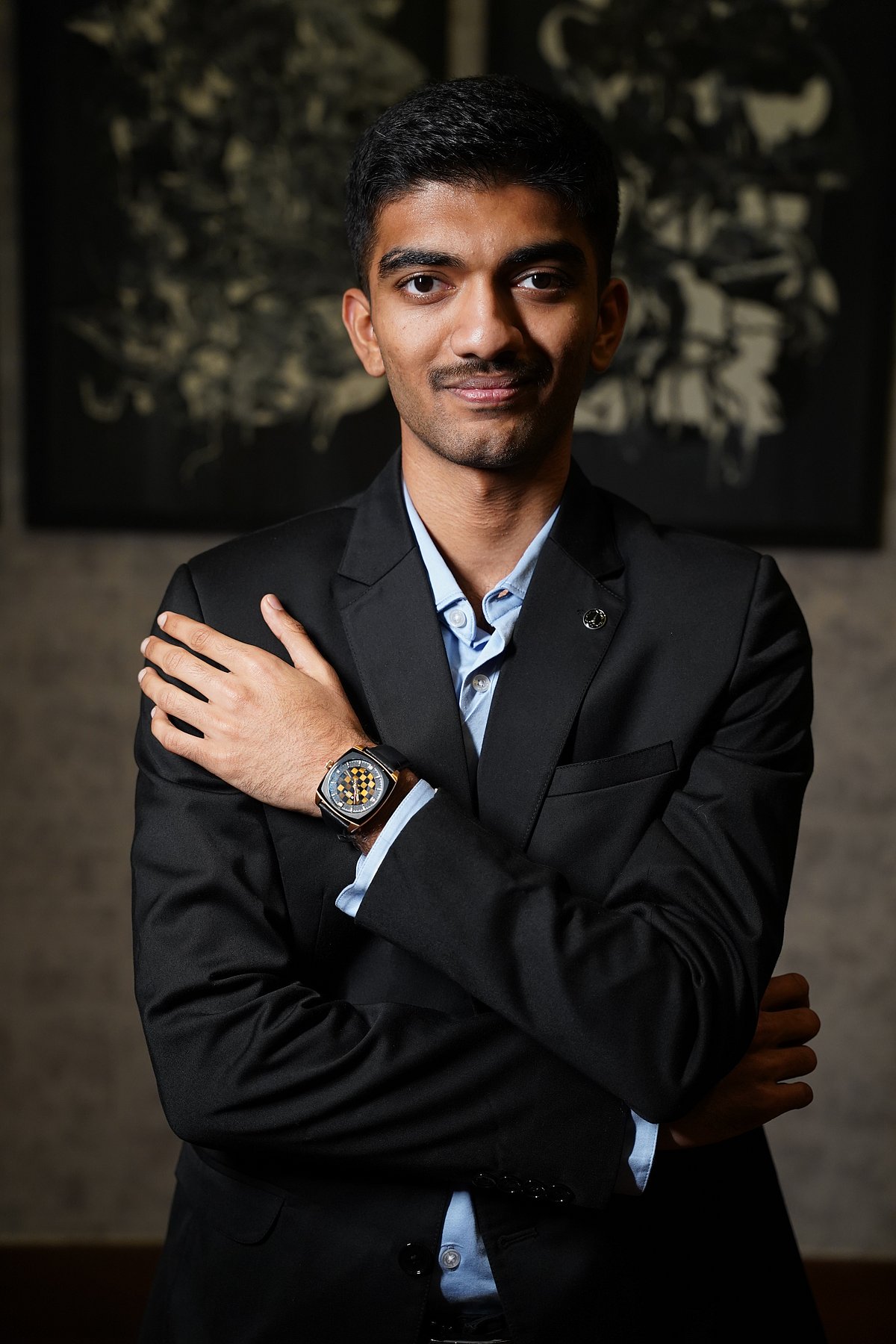
We quizzed the world champion on timekeeping and his game.
What is the relationship between chess and timekeeping?
The core connection is making good decisions within a short period of time. Chess has evolved significantly over the past few years, and time management has become a crucial part of the game. In that sense, I relate a lot to Titan watches. They put a great deal of intent and thought behind every watch they create, just like I do in my games.
What’s your game style: quick response or slow and calculated?
In chess terms, I’m known as a slow player, very calculative and thoughtful, with each move. Of course, there has to be a balance between the depth of thought and the time available. I don’t think one fully masters that balance; it’s a work in progress for me.
Your style is sometimes compared to Anatoly Karpov’s. What’s your view?
Every player is different, and the era in which Karpov played was very different from today. I wouldn’t really compare myself to anyone across eras. That said, without players like Karpov, we wouldn’t be playing chess the way we do today. We all grew up studying their games.
Who are your role models?
Viswanathan Anand sir, will always remain my biggest role model. What makes him so special is that he transformed the chess ecosystem in India—he put India on the world chess map. Beyond just being a role model, he has taken it upon himself to develop the next generation of players through the Westbridge Anand Chess Academy. I joined as a student and am now part of the academy. Many young players benefit from it, and he is always available to discuss anything related to our games. Having someone as experienced as Anand sir adds immense value.

You replaced Viswanathan Anand as India’s number one chess player after 37 years. How does that feel?
He is still the greatest chess player India has ever had, and I wouldn’t compare myself to him at all. Even statistically, I’ve won the world championship once, while he has won it five times.
As a chess player, what are your immediate and long-term plans?
This year is extremely important for me with the Chess Olympiad and the World Championship coming up. My entire focus is on those events. Over the next three to five years, I see myself becoming a much stronger and more complete chess player. I need to work on my weaker areas, such as time management and positional decision-making, while continuing to improve my strengths.

