
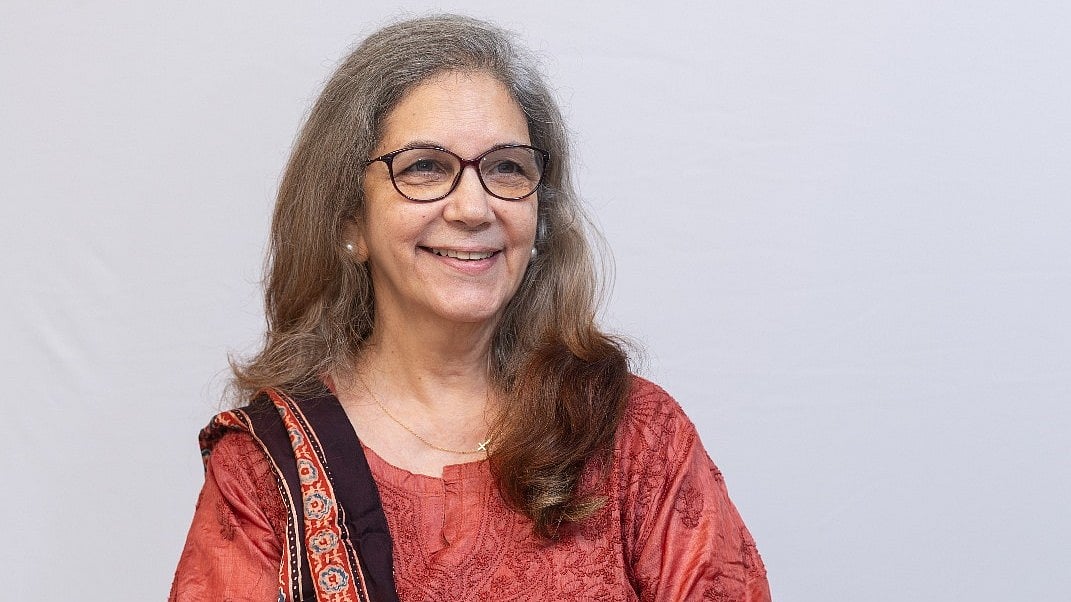
Estonian literature may be relatively unexplored among Indian readers, but its stories carry themes that transcend borders. From a complex history shaped by war and occupation to the often-overlooked experiences of women, these narratives offer a glimpse into a nation’s collective memory. In Night Mother (Ööema), Estonian author Lilli Luuk revisits the aftermath of the Second World War through women’s lives, bringing forgotten experiences into focus. Nominated for the 2026 European Union Prize for Literature, Lilli discusses Estonia’s literature, revisiting history through fiction, and how stories rooted in one culture can resonate with readers across the world.

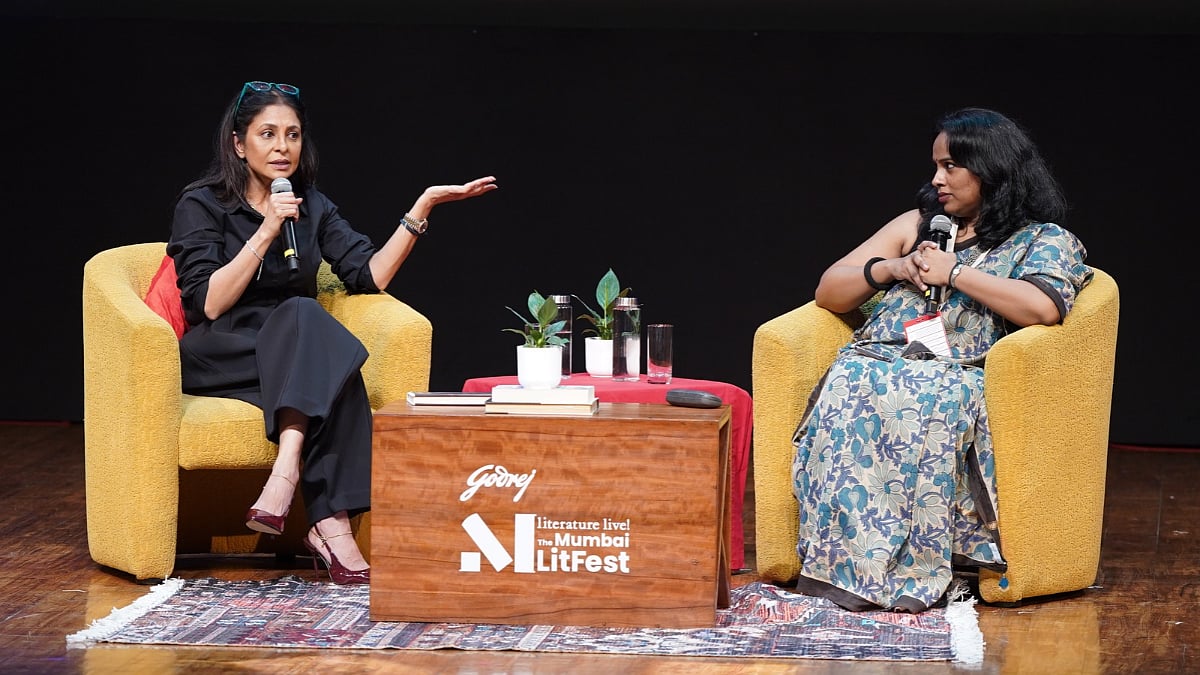
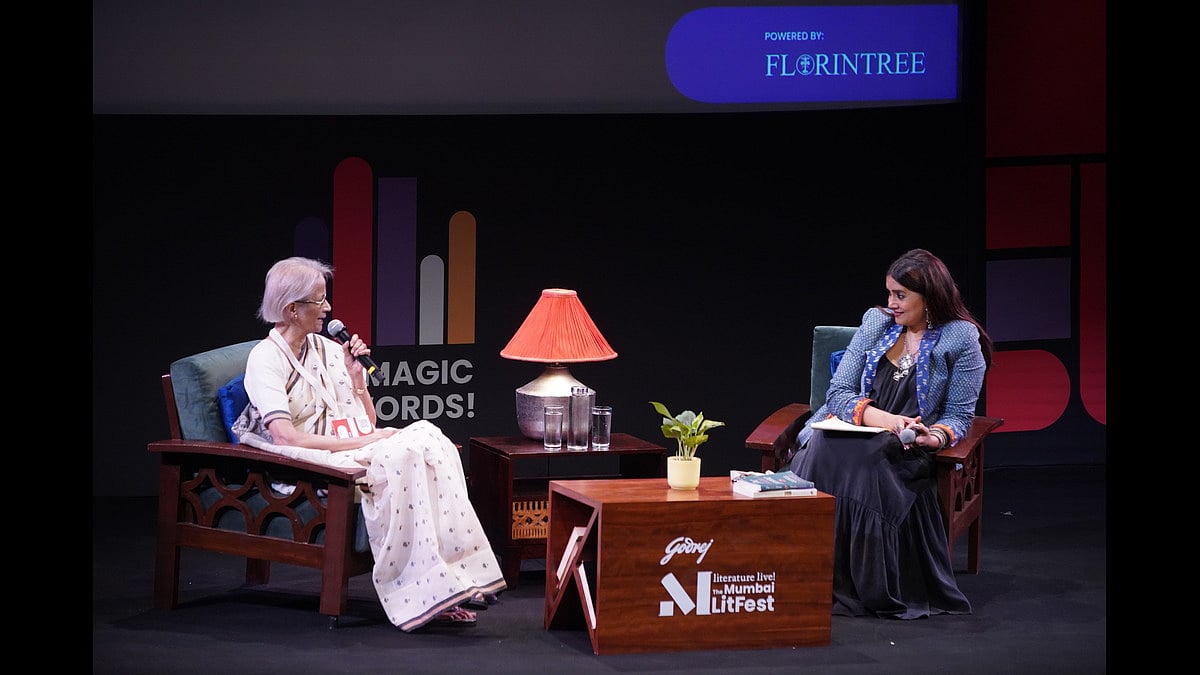
She recently brought Estonian and European literary perspectives to audiences at the Godrej Literature Live! The Mumbai Litfest.
Excerpts from the interview:
For many readers in India, Estonian literature remains largely unexplored. If you were introducing someone to the country's literary landscape for the first time, what would you want them to know about its writers, themes and storytelling traditions?
Estonian literature is young; last year, we just celebrated 500 years since the publication of the first book in Estonian. Although there are relatively few speakers and readers of the Estonian language, the literature is of a very high standard. Contemporary Estonian literature features many strong female authors whose work has also been translated—for instance, Carolina Pihelgas, Kairi Look, and others. The short story genre is popular, as is spoken-word poetry.
Which writers or books would you recommend as an introduction to Estonian literature?
I personally really like Andrus Kivirähk; his book The Man Who Spoke Snakish (“Mees, kes teadis ussisõnu” in estonian) is one of my favorites. It reads a bit like a fairy tale, yet for Estonians, it also contains our own history woven into the narrative. It is a wonderful book and is also available in English. Among more contemporary literature, there is Carolina Pihelgas—winner of the first Estonian Women’s Literature Award for her novel Cut line (“Lõikejoon”), which is also available in English. And, of course, there are the classics: Anton Hansen Tammsaare’s Truth and Justice (Tõde ja õigus), starting with the first volume is a great way to gain insight into the Estonian soul.
Estonia has a complex history shaped by occupation, political upheaval and the struggle to preserve national identity. How deeply has this history influenced contemporary Estonian fiction?
Our history certainly has an impact on our literature. The experience of the Second World War and the Soviet occupation has been addressed in literature—previously, perhaps, more by male authors. I want to highlight the experiences of women.
Night Mother is set in a community still living with the consequences of the Second World War. What drew you to this particular period in Estonian history?
Yes, Night Mother is inspired by certain real-life events. The stories passed down by the older generation certainly play an important role. Feedback on the book has made it clear that such stories were very common during that era—these kinds of events affected a great many people. The experience of war and occupation is very similar for people.
Women and their experiences occupy a central place in Night Mother. Why was it important for you to tell this history through women's lives?
Although men are the direct casualties in wartime combat, women and children always suffer the most in wars—a reality that persists to this day—yet their suffering often remains overlooked, including in historical accounts. I consider it highly important that their experiences also be validated and documented.
In an age when information is constantly produced, shared and forgotten, what role can literature play in preserving the more complicated parts of history?
Literature is a medium that allows for deep immersion; it has the capacity to slow things down. I believe that books and reading will never disappear, regardless of developments in the digital world. Reading a book effectively gives us extra time and allows us to be alone with ourselves, while simultaneously sharing a common experience on a deeper level.
When a book travels across languages and cultures, certain meanings can be difficult to translate. What do you think is the biggest challenge in carrying the emotional and cultural world of an Estonian novel to readers elsewhere?
Fortunately, there are excellent translators and Estophiles who not only have a strong command of the Estonian language but also possess an intuitive understanding of our national character. I believe that, with the help of a good translator, this can reach readers abroad as well.
Your work has received recognition in Estonia, and Night Mother has now reached a wider European audience through its nomination for the 2026 European Union Prize for Literature. Has this international attention changed the way you think about the readers your work might reach?
Night Mother has truly fared very well. As the author, I am very happy about this, but I also feel a sense of responsibility. I am waiting with great interest to see how international readers will receive Night Mother. I believe that some experiences are universal, and readers will surely find connections to their own histories and stories as well.
What are you working on next?
I am working on a novel. This time I am attempting to write a contemporary story, but it is already clear that excursions into history will also be woven into it.

