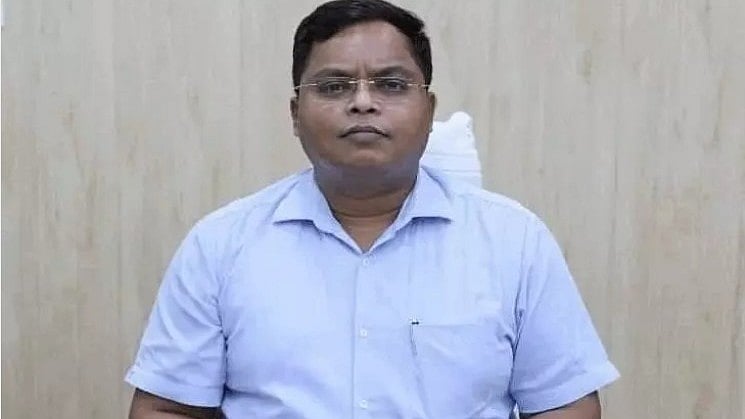
Indore (Madhya Pradesh): Collector Shivam Verma on Sunday held a detailed review meeting with teams of expert doctors and scientists from Kolkata, Delhi and Bhopal to assess the waterborne disease outbreak in Bhagirathpura and strengthen measures to ensure safe drinking water in the area.
He also clarified that no case of Guillain-Barré Syndrome (GBS) has been detected anywhere in Indore.
The meeting was held at the Smart City office, where officials from various departments briefed the collector on the steps being taken to control the situation. Verma said specialist teams from Kolkata, Delhi and Bhopal are actively working in Bhagirathpura, with special focus on scientific testing of water samples.
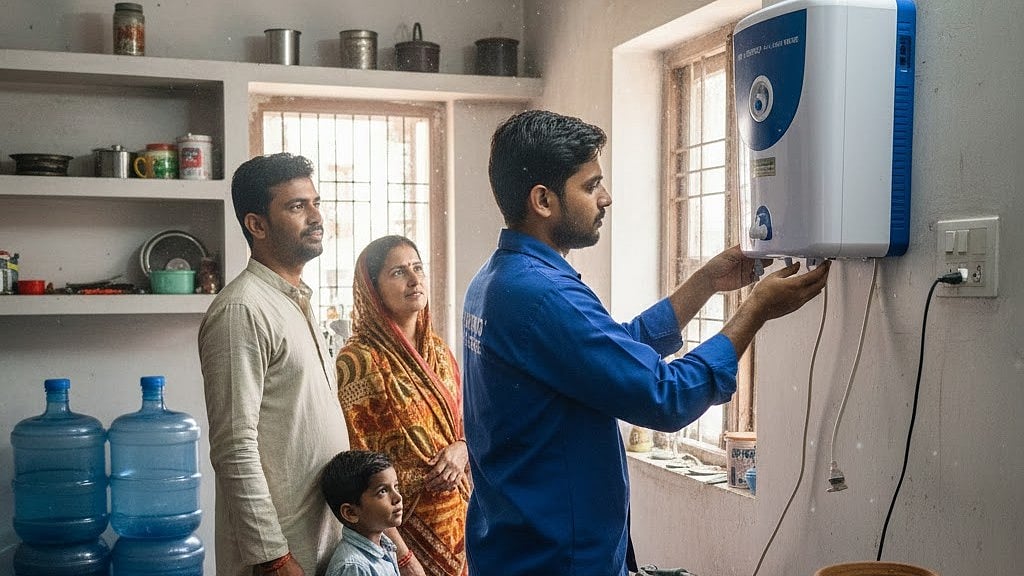
He announced that all borewells in the area will be chlorinated and underground water storage tanks and hoses in residential basements will also be cleaned and chlorinated. Residents will be advised to use borewell water only after the process is completed.



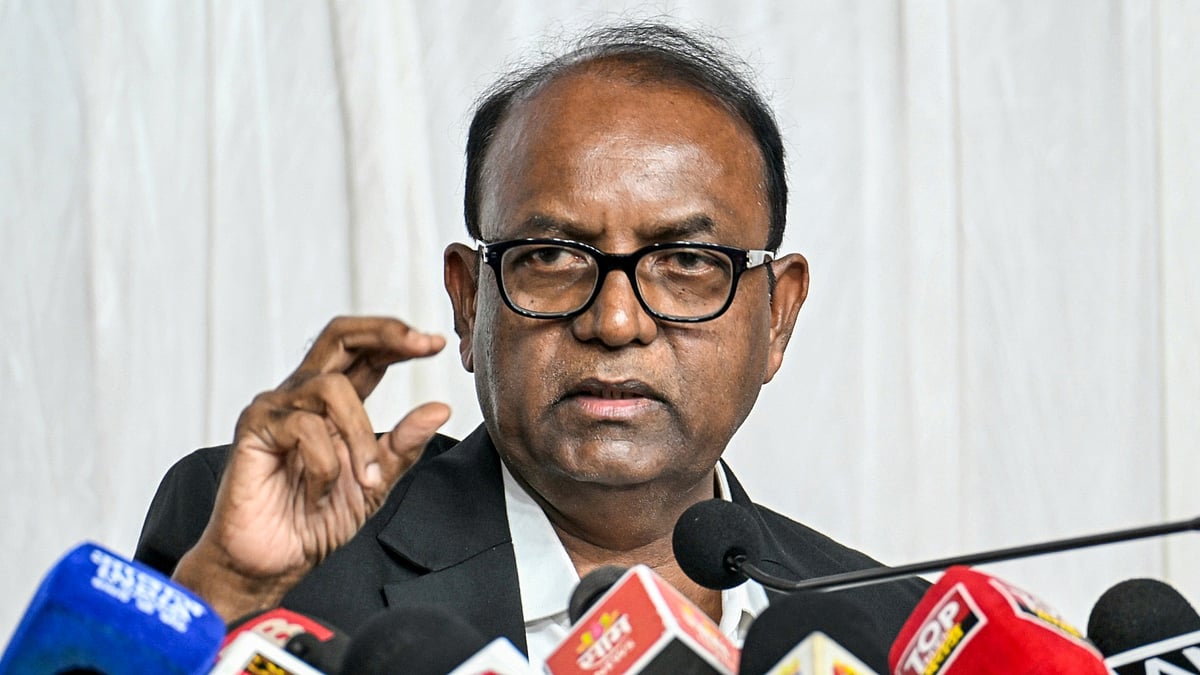
He said teams from the National Centre for Disease Control (NCDC), state surveillance units, the Indore Municipal Corporation, the Health Department and the Public Health Engineering Department are jointly testing water sources and identifying contaminated points. “Wherever polluted water is found, it will be immediately marked and corrective measures will be taken,” he said.
To streamline operations, the Bhagirathpura area has been divided into more than 30 beats. Chlorination work will be carried out in each beat with the cooperation of residents and field staff. Citizens have been urged to support the administration by allowing chlorination of their borewells and storage systems.
Scientist Dr Pramit Ghosh and Dr Gautam Chaudhary from Kolkata will collect random water samples from the area and conduct scientific analysis to identify contamination sources. The team will work in coordination with IMC, the PHE Department and the Health Department to trace the cause of contamination and ensure supply of clean water.
Verma said micro-level monitoring is being carried out by state surveillance teams and specialist doctors, along with community-level awareness campaigns. Safe drinking water is being supplied through tankers, and residents are being advised to boil water before consumption. Liquid chlorine is also being distributed to ensure water safety.