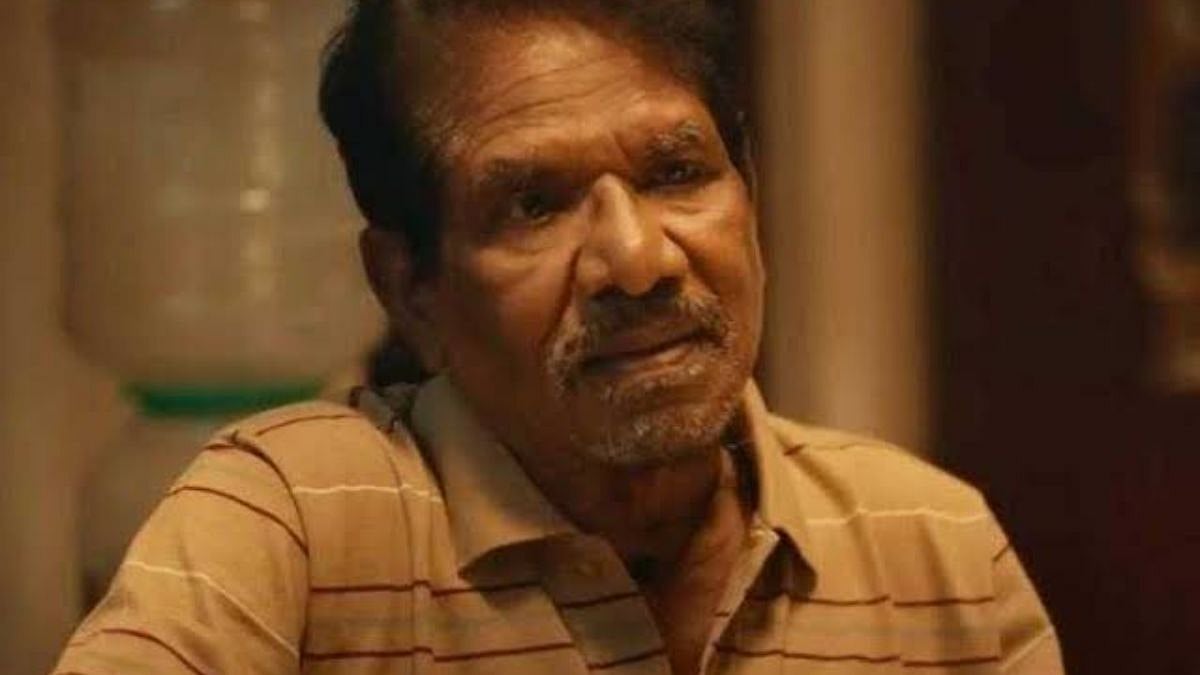
Chennai: One of Indian cinema’s finest directors from Tamil Nadu, Bharathiraja, who is credited with taking film-making from the studios to villages, and introducing Sridevi, the dazzling dancing queen to Bollywood, passed in Chennai on Wednesday morning. The six-time national award winning film maker, hailed as Iyakkunar Imayam (Titan or Pinnacle of Directors) was 84 and ailing for some months.
Apart from helming path breaking films on powerful social themes, Bharathiraja had also etched a space for himself as an actor, more so in character roles in later years. He was also a Tamil nationalist, whose voice became familiar to his audience who would hear him greet “En iniya Tamil makkaley” (My dear Tamil people) at the beginning of his films.
News of his death evoked emotion-filled tributes from the film world across regions, political leaders and personalities from different walks of life. The Government announced his last rites would be performed with state honours.
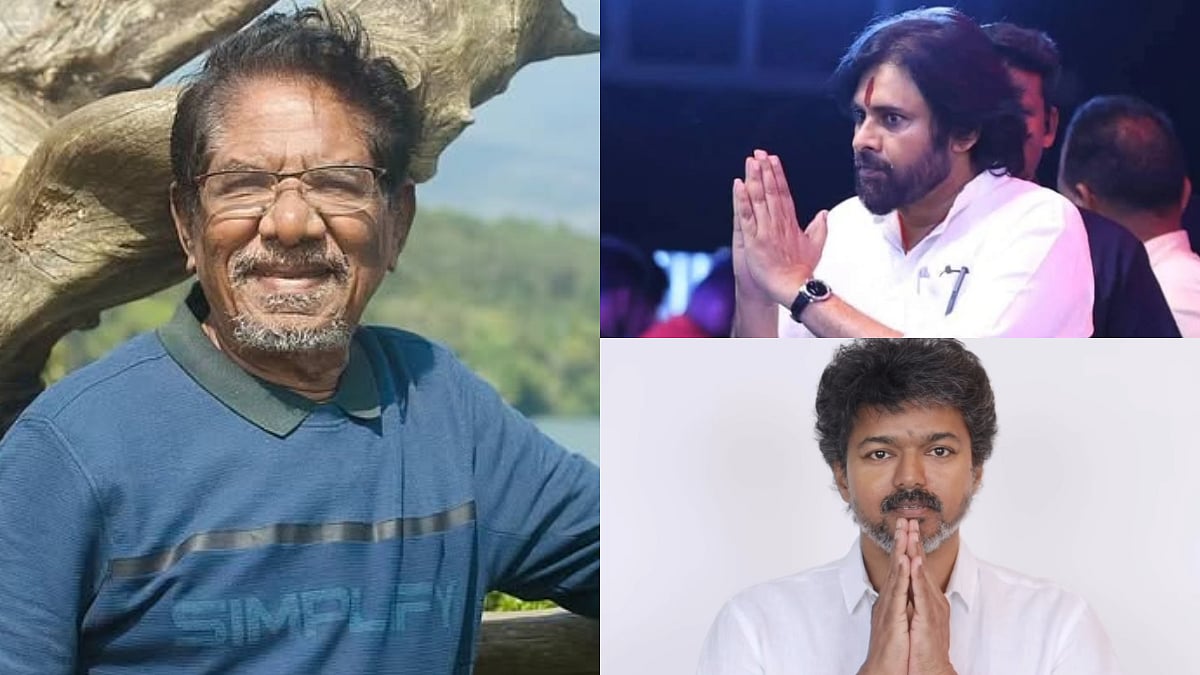
Until Bharathiraja, hailing from Theni, a region on the foothills of the Western Ghats in southern Tamil Nadu that still retains its rustic charm, arrived in Tamil cinema, shootings remained confined to the studios. It was from within the scenes shot in the confines of the sets in the studio floors of AVM, Gemini Pictures or Prasad in Kodambakkam in Madras (now Chennai), that fans saw their stars act as a farmer, bus driver, a college goer, or doctor.
But it was Bharathiraja’s 16 Vaiyathinile (At 16), which brought the charm of the hinterland and scent of the soil, in its raw and undiluted form to the big screen. He took film shooting to the natural environs. That 1977 film, featuring a young and promising cast of Kamal Haasan, Rajinikanth, Sridevi, Goundamani and Bhagyaraj (minor role) – all of whom would go on to carve their own spaces in the world of cinema – was a breath of fresh air. It turned out to be a cult hit, with its characters Chappani (a rustic role played by Kamal Haasan), Mayil (Sridevi) and Parattai (a crooked villainous character portrayed by Rajinikanth), remaining etched in the minds of film fans to this day.
Bharathiraja went on to remake the film in Hindi as Solva Sawan introducing Sridevi to the north Indian audience with the versatile Amol Palekar playing the lead. Of course, it took a few more years for Sridevi to become a big name in Bollywood with Himmatwala but Bharathiraja had prepared her for it.
Decades after his remarkable success Bharathiraja would recall how the dream of cinema took him to Madras but “I took cinema to my villages; I filmed the lives of ordinary people.”
His entry into cinema was not easy. Born Chinnasami, he had started his career as a Health Inspector undertaking awareness of measles prevention. He had come to Madras with a desire to make it big in Kollywood. With him were the Paavalar brothers, also hailing from Theni, but better known today as music maestro Ilaiyaraaja, director-musician Gangai Amaran and the late Baskaran. They struggled for food, accommodation and sometimes living off puffed rice before getting the right break in cinema. While Ilaiyaraaja had struck gold 50 years ago with Annakilli, the two friends came together for 16 Vaiyathinile, where the maestro’s composition for the song penned by Gangai Amaran ‘Senthoora Poove...’ fetched a national award for legendary playback singer S Janaki. The Bharathiraja-Illaiyaraaja relations have since seen many successes, parting of ways, reunification, break-up and back to unity.
Bharathiraja made several memorable films. He convinced the Nadigar Thilagam (Actor Extraordinaire) Sivaji Ganesan to stop acting and instead live the life of a respectable village man, burdened by a loathing wife, who would fall in love with a young woman, in the award winning Mudhal Mariyathai, loosely inspired by Russian writer Fyodor Dostoevsky’s affair with Anna Snitkina.
He would dare to explore caste sensitive subjects in films like Vedham Puthithu, which brings the tensions between the Brahmins and other castes, or a fragile love story involving a Brahmin boy with a Christian girl in Alaigal Oyivathillai or even explore the social crime of female infanticide in Karuthamma.
Bharathiraja would also revel in making thrillers such as Tik, Tik, Tik and Sigappu Rojakal featuring a psychic serial killer with Kamal Haasan in the lead.
In later years, he played villainous and character roles with elan in movies like Manirathnam’s Ayutha Ezhuthu (Yuva in Hindi) or a father seeking revenge for his son’s death in Pandiya Naadu.
Bharathiraja also had a penchant for naming heroines, he introduced with the letter ‘R’ – Raadhika Sarathkumar, Radha, Revathi, Rekha and Ranjitha.
Some years ago at the 14th edition of the Chennai International Film Festival, he said, “Cinema as a medium has become an important tool for cultural exchange and it has shrunk boundaries across the world. At the same time, it is important to make good films reflecting real people and be socially conscious as well.”
The man knew his art well. He lived and breathed cinema before bidding adieu to his beloved Tamils.

