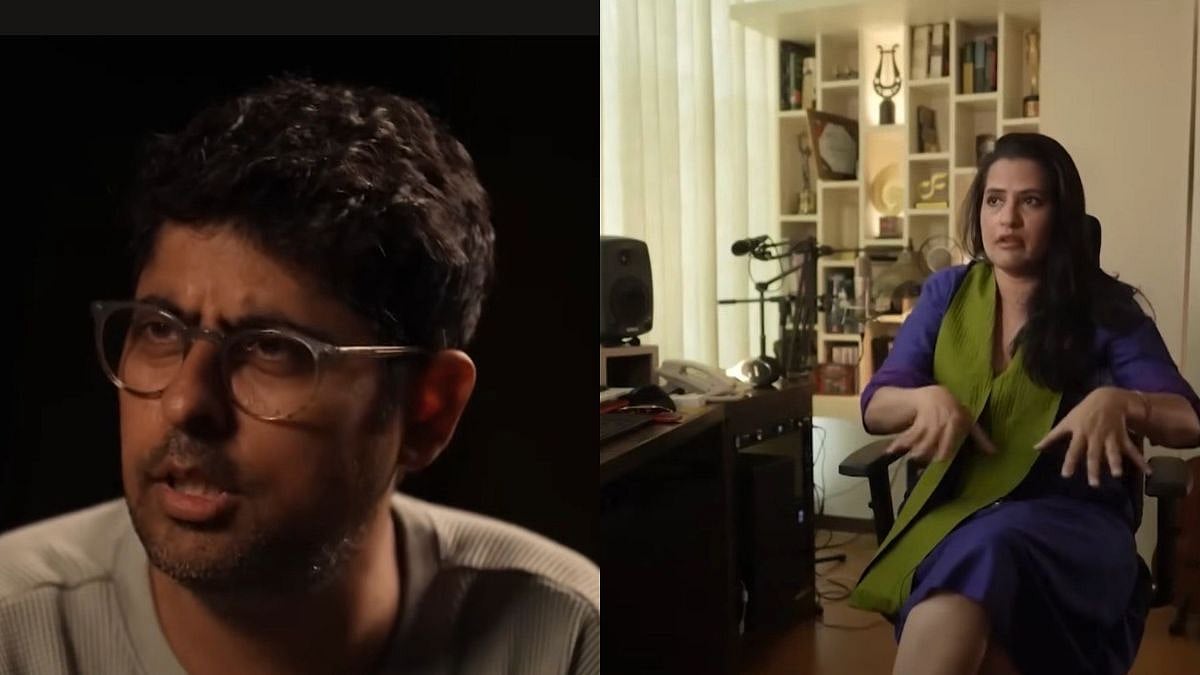
The #MeToo movement started in India in 2018, and several high-profile names such as Nana Patekar, Sajid Khan, Anu Malik were mentioned. The “Bollywood mein #MeToo: Silver screen ki Matmali Duniya” documentary, directed by filmmaker Neerat Kaur and journalist Akanksha Saxena won the Laadli Media & Advertising Award for Gender Sensitivity in the web feature Hindi category recently. In an exclusive interview with the Free Press Journal, Neerat Kaur opened up about what has changed since the #MeToo movement and why none of the cases reached the courts. The documentary is currently streaming on the DW YouTube channel.
1) Your film has received the LAADLI Award for Gender Sensitivity. Let’s start from there, how much do you think people have become aware of gender sensitivity in the last few years? What has changed?
I do think the conversation has shifted meaningfully. A decade ago, the term gender sensitivity itself felt niche or academic. Today, it has entered everyday vocabulary in workplaces, in homes, even in pop culture. People are relatively more aware of boundaries, consent, safe workspaces, and what respectful behaviour looks like.
But awareness does not automatically translate into accountability. We are still in a transitional phase, but implementing it consistently is a long-term cultural shift. The change has begun, but it needs sustained reinforcement which will take time.
2) What inspired you to choose this subject?
I had personally followed the #MeToo movement in India very closely and both my co-director, Akanksha and I felt that conversations around this needed to be kept alive. What exactly happened to the voices that were raised? What were the repercussions of speaking up? Were those repercussions career altering for some? Also, it had been 5 years since the movement broke in Bollywood and we had many questions in our minds.
3) It’s great that women are coming forward, speaking up, and calling out those who wronged them. But don’t you think men’s MeToo hasn’t even begun yet? There might be so many men who have also gone through a lot.
I feel harassment is a power issue, not a gendered one, and of course many times men are also victims. There are multiple factors that generally make women more vulnerable to abuse especially in our society but that doesn't mean that men aren't victims of abuse. I think what holds many men back mostly is the fear of being seen as weak, or the worry that their experiences will be trivialised.
Our intention was never to frame the issue as women vs. men. The film is about calling out abuse of power in any form, and I genuinely believe that as conversations evolve, more men will also find the space and safety to speak up.
4) There are many strong women across all departments in Bollywood. Why do you think they did not stand behind those who spoke up during the MeToo movement?
Taking a stand against an existent power structure build over years is not easy for many. There is a constant fear of losing work and being isolated professionally. Many women in the industry operate within structures controlled by a few powerful individuals. Even the strongest voices are sometimes forced into silence because the consequences can be career altering.
Instead of examining why some women didn't speak up I think we need to understand the conditions that make it so difficult for them to speak up in the first place. Also I would like to add here that women are also conditioned by the patriarchy. So while there are many who take a stand against misogyny and abuse, there are many women who are conditioned to normalise it and this happens across the board.
5) If not individual industry members, why do you think film associations did not support the victims?
Well generally associations are procedural bodies and not investigative ones and sometimes they also simply lack the will to take a stand because of fear. Supporting victims means going against influential names, which requires a very strong structural backbone. I think the absence of that framework became painfully evident with the #MeToo movement breaking out in Bollywood.
6)Do you think the rise of OTT platforms has, to a large extent, broken the monopoly of a handful of individuals and reduced their influence? Because to a large extent, sexual exploitation happens when someone not only has the power to offer work but also to influence someone’s entire career.
The OTTs did democratise opportunities for a short while but now I feel the OTT space has also gone down the same road. The power structures have established very clearly. The hold of bigger studios and production houses continues across the OTT networks as well and it is the same individuals who have been working in films that are also working for the OTTs. So perhaps in the beginning there was some change but overall I don't think there has been any major shift . Certain procedures and practices have definitely been put in place post the #MeToo movement at a contractual level but we still have a long way to go.
7) What was your biggest takeaway or learning during the entire process of making this film?
My respect towards everyone who fearlessly stood tall against the existing power structures skyrocketed. Seeing the power structures from close quarters through the making of this film made me understand how complex they are and how difficult it is to break them.
8) There were numerous allegations against many people. Don’t you think there could have been cases where, under the pretext of the movement, some may have used the situation to settle personal grudges? How does one see through that?
Any large movement will have grey areas but that doesn't mean that the issue should be diluted. These cases of misuse of rights and laws should not derail any movement neither should it discourage allies from coming out in support of the victims. The responsibility to differentiate genuine cases from manipulation lies with due process. The movement was about breaking silence so that due process could actually begin.
9) What was your biggest challenge during the making of this film?
We spoke to many women who had been through extremely traumatic experiences after speaking up against powerful people. They just simply didn't want to re-live those experiences. Neither the abuse nor the aftermath of speaking up which is totally understandable. Also, there were many successful female filmmakers and actors who refused to even comment on this issue fearing what would follow. That was also very disheartening as those voices do matter in the industry.

10) Why do you think there were no major legal proceedings against any of the individuals named during the MeToo movement?
Perhaps because retroactive justice in cases involving power, trauma, and delayed reporting is extremely challenging. Many incidents were old, some had no formal complaint at the time, and survivors feared stigma or professional backlash. But the absence of legal outcomes should not be mistaken for the absence of truth, it simply reflects the limitations of existing structures. This is precisely why cultural movements like MeToo are crucial, they ignite moral accountability even when legal accountability lags behind.

